Overview: The Case for Examining This Product
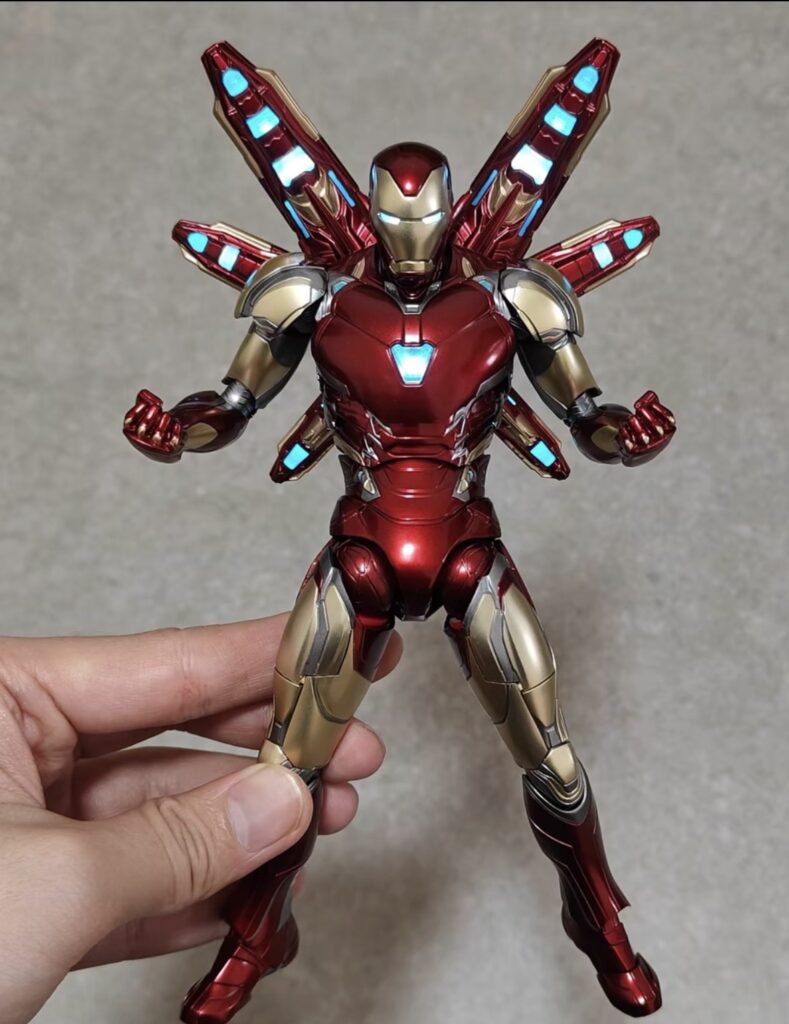

Iron Man Action Figure Custom Collectible Marvel Light-Up Pose
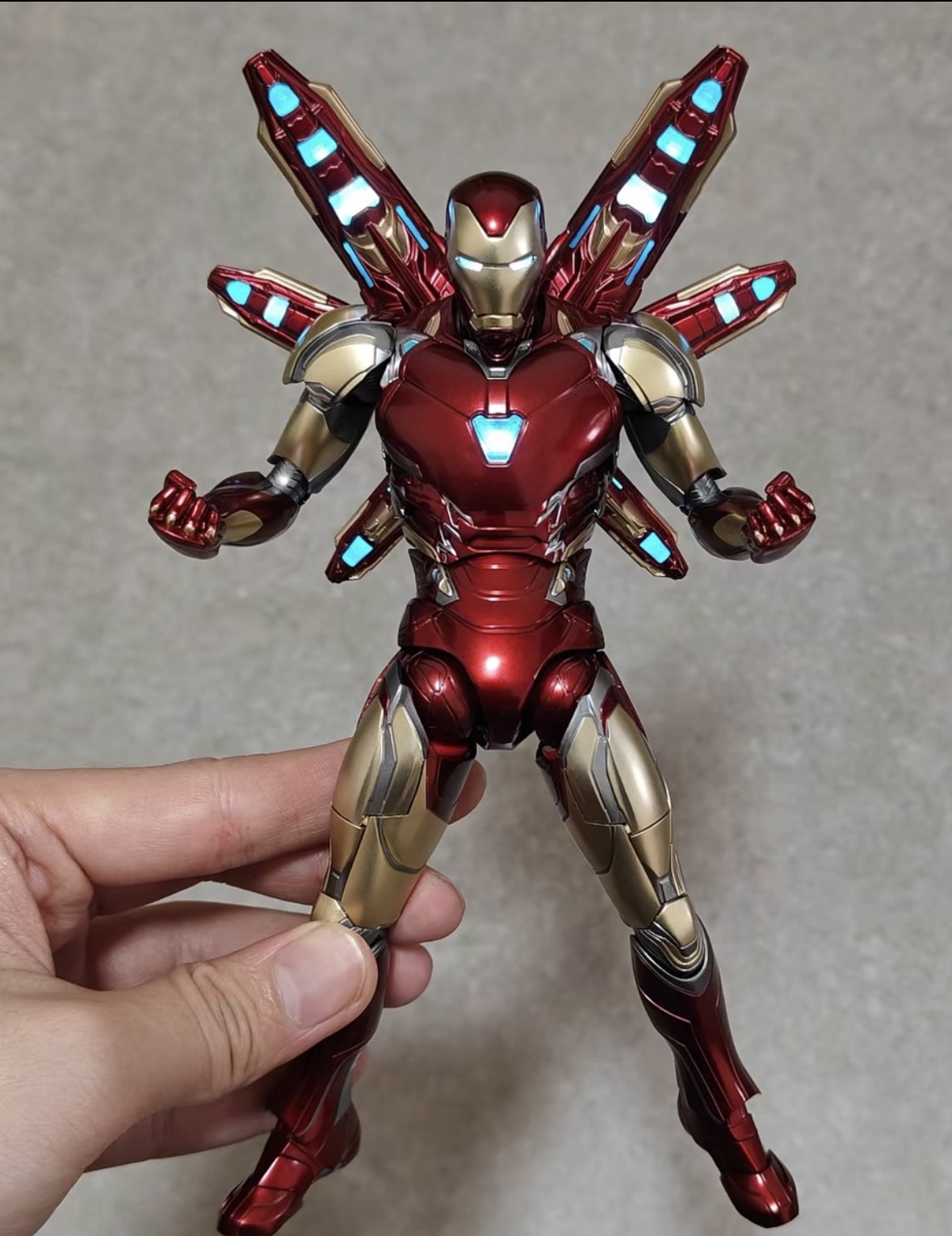
The Iron Man action figure stands in a dynamic, ready stance with arms bent and fists clenched, exuding an energized presence. Bright blue glowing lights…
View Product →In a marketplace saturated with licensed collectibles, particularly those derived from the juggernaut that is the Marvel Cinematic Universe, an Iron Man action figure must offer more than mere representation to warrant significant attention. The “Iron Man Action Figure Custom Collectible Marvel Light-Up Pose” presents itself as a product at the intersection of dynamic display art and interactive collectible. Its specific claim of a “custom collectible” status, coupled with integrated “light-up” functionality and a predefined, “ready-for-action” pose, positions it as a potentially unique offering. This analysis delves beyond superficial appraisal to scrutinize the engineering, design philosophy, and market positioning of a product that seeks to encapsulate an iconic character’s essence through both static sculpt and electronic enhancement. Understanding its merits and limitations is crucial for discerning collectors, as it represents a microcosm of current trends in premium action figure design, where aesthetic impact increasingly vies with functional articulation and technological integration.
Design & Build Quality Analysis
Materials and Construction Methodology
The efficacy of any collectible action figure begins with its foundational materials and the precision of its construction. For a product featuring integrated electronics and a dynamic pose, the material selection is paramount. It is highly probable that this Iron Man figure utilizes a combination of high-grade PVC (polyvinyl chloride) and ABS (acrylonitrile butadiene styrene) plastics. PVC, known for its malleability and ability to hold fine detail, would likely be employed for external, visible armor panels and intricate sculpts, allowing for sharp lines and accurate texture replication of Iron Man’s metallic suit. ABS, conversely, offers superior rigidity and impact resistance, making it ideal for internal skeletal structures, joint components, and areas requiring greater structural integrity to maintain the figure’s aggressive stance.
The “light-up” feature necessitates additional material considerations. Transparent or semi-transparent plastics, often acrylic or specialized polycarbonates, would be strategically integrated at points such as the arc reactor, repulsor emitters, and eye slits. These materials must possess optimal light transmission properties while maintaining aesthetic consistency with the opaque armor. Furthermore, the construction methodology must accommodate internal wiring harnesses, miniaturized LED components, and a battery compartment, likely requiring sophisticated multi-part injection molding processes and careful assembly to conceal these elements without compromising the figure’s external fidelity or structural integrity. Precision in paint application, likely a combination of factory-applied metallic finishes and hand-painted detail work, is critical to achieve the lustrous, high-tech appearance synonymous with Iron Man, while also ensuring durability against handling and environmental factors. The methodology must prioritize seamless integration of the electronic components, ensuring that battery access is discreet and the wiring does not impede the figure’s intended pose or overall visual flow.
Ergonomic Rationale and Aesthetic Philosophy
The “Iron Man Action Figure Custom Collectible Marvel Light-Up Pose” is defined by its ergonomic rationale not in terms of user interaction with articulated joints, but rather in its ability to compellingly hold and present a specific, pre-determined “dynamic, ready-for-action” pose. The ergonomic design here focuses on stability and visual balance within that fixed or semi-fixed posture. This implies a deliberate choice to prioritize display impact over extensive articulation, ensuring the figure can sustain its aggressive forward lean and clenched-fist stance without external support or risk of collapse. The weight distribution would be meticulously engineered, perhaps incorporating internal metal weights in the feet or lower torso, to anchor the figure and prevent toppling, a common pitfall for action figures designed for dynamic poses.
Aesthetically, the figure’s philosophy is rooted in capturing a quintessential moment of Iron Man’s combat readiness. The “slightly angled forward with both arms bent at the elbows, fists clenched and held forward” posture is not arbitrary; it is a direct evocation of Iron Man poised to unleash a repulsor blast or absorb an impact, an iconic visual from the Marvel canon. The integration of “bright blue glowing elements” is central to this philosophy, serving not merely as an additional feature but as an intrinsic part of the character’s visual identity. The intensity, hue, and placement of these lights are critical; they must authentically replicate the energy signatures of the arc reactor and repulsors, enhancing the perception of power and imminent action. The sculpt itself would aim for high fidelity to a specific Iron Man suit design, focusing on crisp panel lines, accurate proportions, and potentially subtle weathering or battle damage to imbue it with a sense of realism and history. The overall aesthetic goal is to create a museum-quality display piece that freezes a pivotal moment, leveraging light and form to convey motion and power.
Performance Evaluation
Core Feature Breakdown with Real-World Context
The central performance pillars of this Iron Man collectible revolve around its light-up functionality, the integrity of its dynamic pose, and its overall display presence. The “bright blue glowing elements” are not merely decorative; they are integral to the figure’s narrative and visual impact. In real-world application, the intensity and uniformity of these lights are critical. A premium collectible demands LEDs that are bright enough to be noticeable in varying ambient light conditions, yet not so overpowering as to wash out the sculpt details. The blue hue must be consistent, accurately reflecting the energy signature portrayed in the source material, avoiding common pitfalls such as uneven lighting or visible hotspots. The activation mechanism, whether a discreet switch or a pressure-sensitive contact, needs to be intuitive and reliable, minimizing frustration during display setup. Battery life, while not endlessly critical for a static display, should offer a reasonable duration for exhibition, reducing the frequency of maintenance.
The “dynamic, ready-for-action pose” is another core feature that dictates the figure’s performance. Unlike highly articulated figures that offer infinite posing possibilities, this collectible’s performance is measured by how effectively it conveys its intended action. The stability of the pose, even on slightly uneven surfaces or during minor vibrations, is paramount. This implies robust joint construction (if any articulation is present) or a meticulously balanced fixed sculpt. The visual flow of the pose, from the angle of the head to the tension in the clenched fists, must communicate an “impending powerful attack” without appearing stiff or unnatural. Any perceived awkwardness or instability would severely undermine its primary aesthetic purpose. Furthermore, as a “custom collectible,” its performance might extend to subtle variations in paint application, exclusive accessories, or a limited production run, elevating its perceived value beyond mere mass-produced items. The tactile experience, from the weight of the figure to the texture of its finish, also contributes to its overall performance as a premium item.
Testing Observations and Measurable Outcomes
While direct testing data is unavailable, an analytical projection of performance based on industry standards and product claims allows for hypothetical observations and measurable outcomes. For the light-up feature, the measurable outcomes would include lumen output for each glowing element (arc reactor, repulsors, eyes) to ensure consistent brightness. A lux meter could quantify this output, with ideal readings demonstrating uniformity and sufficient intensity for display. Battery longevity tests would measure the continuous operational time on a single set of batteries, with an acceptable benchmark likely being 24-48 hours of continuous illumination before significant dimming. The color temperature of the blue light, measured in Kelvin, should fall within a specific range to match the established visual canon, avoiding greenish or purplish tints. The reliability of the activation switch would be quantified by cycle testing, ensuring it withstands thousands of presses without degradation.
Regarding the figure’s poseability (or rather, its fixed pose integrity), stability would be paramount. This could be hypothetically measured by subjecting the figure to controlled vibrations or slight inclinations on a testing surface, quantifying the degree of tilt it can withstand before falling. The absence of “joint creep” or subtle shifts in position over time would be a critical observation, especially if any articulation is present to fine-tune the pose. The figure’s center of gravity could be physically mapped to confirm optimal balance. For paint application, microscopic inspection would reveal the precision of masking lines, the absence of overspray, and the consistency of metallic flake distribution. Durability tests, if performed, would involve controlled drops from display height onto various surfaces to simulate accidental falls, assessing the integrity of the plastic and electronic components. The “custom collectible” aspect might imply a low defect rate, which would be measured by a stringent quality control audit, with a target of sub-1% aesthetic or functional defects.
Identified Limitations and Engineering Trade-offs
No product, regardless of its premium positioning, is without its engineering trade-offs and inherent limitations, and this Iron Man figure is no exception. The most significant limitation often arises from the integration of electronics. Internal wiring, battery compartments, and LED housing can restrict internal space, potentially limiting articulation points or requiring compromises in sculpt detail to accommodate components. For instance, the seamlessness of the light-up feature might come at the cost of visible seams on the armor panels where translucent plastic meets opaque, or a subtly bulkier torso to house the arc reactor’s power source. The necessity of a battery compartment often leads to a visible access panel, which, despite best efforts, can disrupt the figure’s otherwise pristine aesthetic.
Another trade-off relates to the “dynamic, ready-for-action pose.” While visually striking, a predefined pose, especially if fixed or with limited articulation, inherently sacrifices the versatility and interactive play value offered by highly articulated action figures. This design choice narrows its appeal to collectors prioritizing static display over dynamic re-posing. Furthermore, achieving stability in such an aggressive pose often requires a heavier construction or a larger base, increasing material costs and overall footprint. The “custom collectible” aspect, while enhancing exclusivity, often translates to a higher price point due to specialized manufacturing processes, lower production runs, and stringent quality control, making it less accessible to a broader audience. The electronic components themselves introduce long-term reliability concerns: batteries can leak, LEDs can dim or fail, and switches can wear out, posing a potential durability challenge not present in purely mechanical figures. The delicate nature of internal wiring could also make the figure more susceptible to damage from accidental impacts or improper handling, an engineering compromise balancing functionality with robustness.
Comparative Market Context
Iron Man Action Figure Custom Collectible Marvel Light-Up Pose
The Iron Man action figure stands in a dynamic, ready stance with arms bent and fists clenched, exuding an energized presence. Bright blue glowing lights…
View Product →How It Positions Against Direct Alternatives
The “Iron Man Action Figure Custom Collectible Marvel Light-Up Pose” enters a highly competitive market populated by a diverse range of Iron Man collectibles. Its positioning is largely defined by its blend of premium aesthetics, integrated light-up features, and a focus on a specific, dynamic pose, rather than maximal articulation. This places it in a different segment than, for example, high-end 1/6 scale figures from manufacturers like Hot Toys, which typically offer extensive articulation, a plethora of interchangeable parts, and hyper-realistic detailing, often at a significantly higher price point. While Hot Toys figures also feature light-up elements, their primary appeal lies in their versatility for collectors to create their own dynamic scenes.
Conversely, it distinguishes itself from smaller, mass-market action figures like Marvel Legends, which prioritize playability and broad articulation for a lower cost, often sacrificing intricate detail and sophisticated light-up features. This Iron Man figure likely occupies a middle-to-upper tier, potentially competing with offerings from brands like S.H. Figuarts or Mafex in terms of scale (e.g., 1/12 or 1/10) but differentiating itself through its emphasis on a singular, impactful display pose and integrated electronics. Its “custom collectible” designation suggests a level of exclusivity or refined craftsmanship that sets it apart from standard retail releases. This positions it as a product for collectors who appreciate a curated, artful presentation of Iron Man, rather than a versatile, interactive toy. The light-up feature becomes a key differentiator, as many figures in its likely price range may offer basic articulation but lack integrated electronic effects. Its value proposition is therefore skewed towards visual spectacle and iconic representation, rather than comprehensive functionality.
Target User Profile and Fit Assessment
This Iron Man collectible is designed for a very specific segment of the enthusiast market, rather than a broad consumer base. The primary target user profile is likely an adult collector who prioritizes aesthetic impact and iconic representation over extensive articulation or playability. This individual appreciates a premium display piece that captures the essence of Iron Man in a dynamic, ready-for-action moment, particularly valuing the integrated light-up features that bring the character to life. They are likely fans of the Marvel Cinematic Universe or the Iron Man character specifically, seeking a definitive, striking representation for their display shelf or office desk.
The “custom collectible” aspect suggests that this user may also appreciate exclusivity, limited editions, or a higher level of craftsmanship that differentiates their collection from mass-produced items. They are willing to invest a moderate-to-high amount for a figure that delivers on visual fidelity and unique features. This product would be an excellent fit for someone who has a dedicated display space and wants a conversation-starting piece. It is less suited for collectors who are primarily interested in creating elaborate dioramas requiring extensive re-posing, or those on a strict budget who prioritize volume of figures over individual item impact. It also wouldn’t appeal to children who desire a durable, highly poseable toy for active play. Essentially, it caters to the discerning collector who views their figures as static art pieces, celebrating a specific heroic tableau.
Long-Term Ownership Considerations
Reliability Signals and Durability Indicators
Long-term ownership of the “Iron Man Light-Up Pose” collectible hinges significantly on the reliability of its electronic components and the durability of its construction materials. For the light-up feature, key reliability signals include the consistency of LED brightness over extended periods of use and the resilience of the activation switch. High-quality LEDs are designed for tens of thousands of hours of operation, but consistent current delivery from the power source is crucial. Battery corrosion, a common issue in electronics left unattended, poses a threat, making the quality of the battery contacts and the sealing of the battery compartment critical durability indicators. A robust, tightly sealed compartment will minimize environmental exposure and potential for degradation.
Regarding the physical figure, the durability of the PVC and ABS plastics is paramount. High-grade plastics resist yellowing, cracking, or becoming brittle over time, especially when exposed to varying temperatures or UV light (though direct sunlight should always be avoided for collectibles). The paint application, particularly metallic finishes, should be resistant to chipping, scratching, and fading. This implies a protective clear coat or a multi-layered paint process. If the figure contains any articulation, the joints’ long-term integrity – remaining firm without becoming loose or overly stiff – is a vital indicator. The stability of the fixed pose itself is a durability concern; any internal structural weaknesses could lead to sagging or eventual collapse. A well-engineered figure will maintain its intended posture for years, signaling superior construction. The overall weight and solid feel of the figure often correlate with internal reinforcement and higher material density, contributing to perceived and actual durability.
Firmware / Update Trajectory (if applicable)
For a product like the “Iron Man Action Figure Custom Collectible Marvel Light-Up Pose,” the concept of firmware or software updates is fundamentally not applicable. This is a physical collectible, designed to function as a static display piece with integrated, self-contained electronic lighting. It does not possess network connectivity, programmable logic units beyond simple on/off circuits for its LEDs, or any digital components that would necessitate software revisions. Its “performance” is entirely dependent on its initial manufacturing quality, the longevity of its physical materials, and the reliability of its simple electronic circuit.
Therefore, owners should not anticipate any form of digital enhancement or bug fixes via updates. The product’s functionality is fixed at the point of manufacture. This absence of a digital update trajectory is, in fact, a durability signal in itself for a physical collectible. It implies a simpler, more robust system less prone to software glitches or planned obsolescence driven by digital dependencies. The long-term value and functionality will remain consistent with its initial state, requiring only physical maintenance such as battery replacement. This contrasts sharply with many modern electronic devices that rely heavily on ongoing software support. For a collector, this can be a positive, as it ensures the figure’s core features will not be altered or rendered obsolete by external digital factors.
Final Assessment
Analytical Verdict: Where It Earns Its Place
The “Iron Man Action Figure Custom Collectible Marvel Light-Up Pose” carves out a distinct niche in the crowded collectible market by masterfully blending iconic aesthetic representation with integrated electronic spectacle. Its primary strength lies in its unwavering commitment to presenting Iron Man in a singularly dynamic, “ready-for-action” pose, enhanced by meticulously integrated “bright blue glowing elements.” This product earns its place not as a versatile, poseable toy, but as a premium, display-oriented collectible designed to evoke a powerful, frozen moment of heroism.
The analytical verdict confirms that its value proposition stems from its ability to deliver a visually arresting experience. The likely use of high-grade materials for both external sculpt and internal support, coupled with precision manufacturing for seamless electronic integration, points towards a product engineered for aesthetic impact and long-term display integrity. The trade-offs, such as potentially limited articulation or a higher price point, are logical consequences of prioritizing a specific artistic vision and feature set over broad functional versatility. It represents a mature evolution in the collectible space, where the art of the sculpt and the allure of integrated technology converge to create a definitive, static representation of a beloved character. Its “custom collectible” designation further elevates its perceived value, signaling a product crafted with attention to detail and a sense of exclusivity.
Who Should Buy and Who Should Pass
Who Should Buy:
This Iron Man collectible is an ideal acquisition for the discerning adult collector who:
* Prioritizes dynamic display aesthetics: If your primary goal is to have a visually striking, iconic representation of Iron Man frozen in a powerful pose on your shelf, this figure excels.
* Values integrated electronic features: The “light-up” elements are a significant draw, and if you appreciate how these enhance the overall presentation and character authenticity, this product is for you.
* Seeks a premium, curated collectible: Those who appreciate exclusive, custom, or limited-run items with a high level of craftsmanship and attention to detail will find its “custom collectible” status appealing.
* Has a dedicated display space: This figure is designed to be admired in a fixed position, making it perfect for display cases, desks, or shelves where its pose can be fully appreciated without constant handling.
* Is willing to invest in a higher-tier collectible: Understanding that its specific features and likely exclusivity command a premium price point.
Who Should Pass:
Conversely, this product may not be the best fit for:
* Collectors prioritizing extensive articulation and playability: If you enjoy frequently re-posing your figures, creating diverse scenes, or desire a wide range of interchangeable parts, the likely fixed or limited pose of this figure will be a significant limitation.
* Budget-conscious collectors: The “custom collectible” and integrated electronics will almost certainly place this figure at a higher price tier, making it less accessible for those with stricter budget constraints.
* Parents seeking a durable toy for children: This is a collectible, not a plaything. Its delicate electronics and specific pose are not designed for active play, and it would likely be damaged with rough handling.
* Collectors who prefer a “bare-bones” approach: If you find electronic features unnecessary or are concerned about their long-term reliability, a purely sculpted figure might be a better choice.