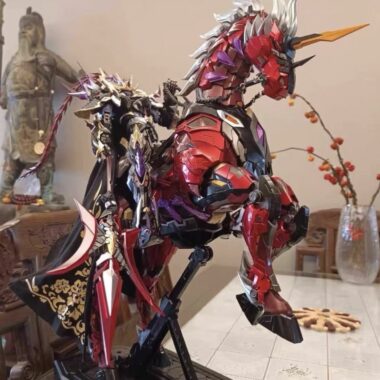
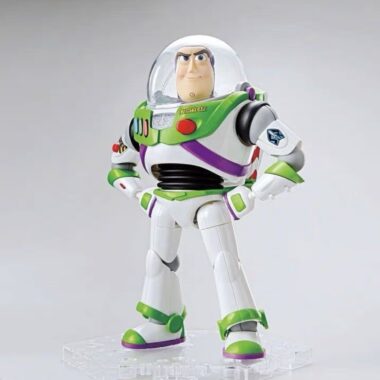
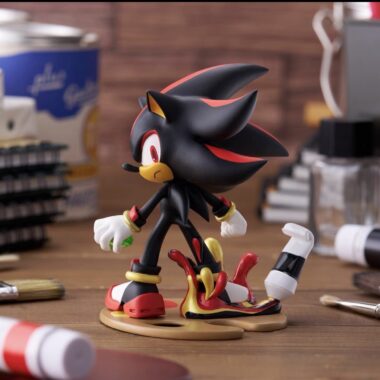
Customizing action figures is a rewarding intersection of fine art, engineering, and pop-culture fandom. Whether you are looking to create a “one-of-a-kind” version of your favorite hero, fix a factory paint error, or build an entirely original character from scratch, this hobby allows you to breathe new life into plastic. This guide focuses on the “kit-bashing” and “repaint” approach, which is the gold standard for beginners.
Skill Level: Intermediate. You do not need to be a professional sculptor, but a steady hand and patience are essential.
Tools List:
* Precision Hobby Knife (X-Acto): Essential for trimming plastic and removing mold lines.
* Fine-Tip Paint Brushes: Sizes 0, 00, and 000 (synthetic bristles are best for acrylics).
* Dremel Rotary Tool: For sanding, drilling, and smoothing joints.
* Heat Gun or Hairdryer: To soften plastic for disassembly.
* Needle-nose Pliers: For pulling apart stubborn limbs.
* Fine-Grit Sandpaper/Sanding Sponges: 400 to 1000 grit.
Materials Needed:
* Acrylic Paints: High-quality model paints (like Vallejo or Citadel).
* Primer: Spray primer specifically designed for plastic (e.g., Tamiya Surface Primer).
* Clear Coat/Sealer: Matte or Gloss varnish (acrylic-based).
* Sculpting Putty: Two-part epoxy putty (e.g., Apoxie Sculpt).
* Super Glue: Cyanoacrylate glue for permanent bonds.
Estimated Time and Cost:
A basic repaint and minor modification project will typically take 10–15 hours spread over a weekend. Budget roughly $50–$100 for your initial toolkit, though once you own the core tools, subsequent figures will only cost the price of paint and putty ($10–$20).
By the end of this guide, you will have the confidence to transform a mass-produced toy into a bespoke piece of art. Let’s get started on your journey into the world of custom action figures.
Preparation and Planning
Before you touch a brush to plastic, you must engage in the most critical phase: planning. Customizing is a process of subtraction and addition. If you jump in without a roadmap, you risk ruining the articulation or the aesthetic balance of your figure.
Pre-work Requirements:
Start by selecting a base figure. Look for figures with similar body proportions to your target character. If you are making a custom superhero, a figure with a “buck” (the base body) that matches the desired musculature is vital. Study high-resolution photos of your subject matter. Sketch your design on paper, noting color schemes and accessories.
Safety Precautions:
Safety is paramount. When using a Dremel, always wear safety goggles to protect your eyes from flying plastic shards. Use a dust mask when sanding, as the microscopic plastic dust is harmful to inhale. Always work in a well-ventilated area, especially when using spray primers or sealers, as these chemicals can be toxic.
Workspace Setup:
Clear a dedicated table. Use a self-healing cutting mat to protect your surface. Lighting is your best friend; use a bright desk lamp with a daylight-balanced bulb. Organize your paints in a rack or tray. Keep a cup of water for rinsing brushes and a paper towel for dabbing excess moisture.
Planning Tips:
Consider the “articulation points.” If you paint over a joint, the friction will crack the paint immediately. You must plan to disassemble the figure to paint the joints separately or use a process called “dremeling” to create clearance. Don’t rush into painting. The “prep” phase—cleaning the plastic, removing factory paint, and sanding—is 70% of the work. If you skip this, your paint will peel. Think of your workspace as a surgical theater; keep it clean, organized, and free of distractions to ensure your custom figure receives the attention it deserves.
Step 1: Disassembly and Surface Preparation
The foundation of a durable custom figure is the preparation of the plastic surface. Factory-produced figures are often coated in a “mold release” agent, which acts as a barrier that prevents paint from sticking.
Step-by-Step Instructions:
1. Heating: Use your hair dryer or a bowl of hot (not boiling) water to heat the joints. This softens the PVC/ABS plastic.
2. Disassembly: Once soft, gently pull the limbs, head, and torso apart at the joints. Use needle-nose pliers if you need extra leverage, but be careful not to scar the plastic.
3. Cleaning: Scrub all pieces with warm, soapy water and an old toothbrush to remove factory oils. Let them air dry completely.
4. Sanding: Use your 400-grit sandpaper to scuff the entire surface of the figure. You aren’t trying to remove the plastic, just creating “tooth” so the primer can bite into the material.
5. Removing Mold Lines: Use your X-Acto knife to scrape away the seam lines left over from the factory molding process. These lines look like thin ridges running down the arms and legs.
Tips and Tricks:
If a joint is stubborn, heat it longer rather than pulling harder. Forcing a cold joint will lead to snapping the plastic peg. When sanding, focus on the areas where you plan to add detail or paint.
Common Mistakes to Avoid:
Do not skip the sanding process. Many beginners think they can paint directly over the factory finish. Without sanding, your paint will eventually flake off like a snake shedding its skin. Also, avoid using harsh chemicals like acetone to remove paint, as it can melt the plastic and destroy delicate details.
Visual Descriptions:
A properly prepared figure should look dull and slightly scratched, rather than shiny. All seams should be smooth to the touch. If you run your fingernail over a mold line and it catches, you need to sand it more.
Checkpoint Confirmation:
Your pieces should be disassembled, scrubbed clean, and sanded evenly. If the surface is smooth and free of factory shine, you are ready for the next stage.
Step 2: Sculpting and Structural Modifications
Now that you have a clean slate, it is time to add the personality. This is where you change the silhouette of the figure by adding armor, hair, or structural details.
Step-by-Step Instructions:
1. Mixing Putty: Take equal parts of your two-part epoxy putty and knead them together until the color is uniform.
2. Application: Apply small amounts of putty to the figure. Use sculpting tools or a wet toothpick to smooth the putty into the desired shape.
3. Refining: Keep your tools damp with water; this prevents the putty from sticking to the tool instead of the figure.
4. Curing: Allow the putty to cure for the time specified on the packaging (usually 2–24 hours).
5. Sanding the Sculpt: Once fully hardened, use your fine-grit sanding sponge to sand the putty until it blends seamlessly into the plastic.
Tips and Tricks:
Work in thin layers. If you try to build a massive chest piece all at once, it will be heavy and prone to falling off. Build up volume in stages, letting each layer cure before adding the next. If you are adding dynamic elements like a cape or hair, use a thin wire armature inside the putty for structural integrity.
Common Mistakes to Avoid:
Don’t over-sculpt. Beginners often add too much putty, making the figure look “lumpy.” Less is more. Also, avoid covering articulation points with putty unless you intend for that joint to be permanently fixed. If you accidentally cover a joint, use your hobby knife to score a line through the putty while it is still “green” (soft) to maintain the range of motion.
Visual Descriptions:
The figure should look like a “grey” version of your final design. The transition between the original plastic and the new putty should be imperceptible to the eye.
Checkpoint Confirmation:
After the putty has cured and you have sanded it down, the surface should be uniform. If you run your finger over the sculpt, it should feel integrated with the body. You are now ready to prime.
Step 3: Priming and Painting
This is the phase that brings your figure to life. Proper application of paint is what differentiates a “toy” from a “collectible.”
Step-by-Step Instructions:
1. Priming: In a well-ventilated area, apply a thin, even coat of spray primer. Hold the can 8–10 inches away and use short bursts. Do not soak the figure.
2. Base Coating: Once the primer is dry, apply your base colors using your acrylic paints. Thin your paints with a drop of water—it is better to apply three thin coats than one thick, gloppy one.
3. Detailing: Use your 000-size brush for eyes, insignias, or intricate trim.
4. Washing (Optional): Apply a “wash” (highly thinned dark paint) into the crevices to create shadows and depth.
5. Sealing: Once the paint is dry, apply a matte or gloss clear coat. This protects your work from chipping during play or display.
Tips and Tricks:
When painting eyes, paint the white area first, then add the pupil. If you make a mistake, use a damp brush to wipe it away immediately. If you are painting joints, paint the “inner” parts of the joint a slightly darker color to hide the fact that the paint may rub off during movement.
Common Mistakes to Avoid:
The biggest sin in custom painting is “thick paint.” If your paint looks like cake frosting, it is too thick. Thin it down! Another mistake is painting in a humid environment, which can cause the primer to “crackle” or turn fuzzy.
Visual Descriptions:
Your figure should have solid, opaque colors with clean lines. The wash should have settled into the recesses, making the muscles or equipment pop. The finish should look consistent, whether you chose a matte or glossy style.
Checkpoint Confirmation:
Check for “bleeding” where two colors meet. If you see messy edges, take a small brush and clean them up with the base color. Once you are happy with the visual quality, your figure is complete.
Troubleshooting Common Issues
Even the most experienced customizers run into walls. Here is how to handle the most frequent problems.
Problem 1: Paint Rubbing Off at Joints
This happens when there isn’t enough clearance.
* Solution: Use your Dremel or a small file to shave off a tiny sliver of plastic from the joint’s contact point. This creates a “gap” for the paint to live in without being scraped away by movement.
Problem 2: Sticky or Tacky Paint
This usually occurs if you didn’t wash the figure properly or if the humidity was too high.
* Solution: If the paint stays sticky for days, the curing process has failed. You may need to strip the paint using a gentle cleaner and start over. Alternatively, apply a thin layer of matte sealer, which can sometimes “lock in” the tacky surface.
Problem 3: The “Lumpy” Sculpt
You added too much putty, and it looks uneven.
* Solution: Don’t panic. Once the putty is fully cured, you can aggressively sand it down. If you sand too far and hit the plastic, add a tiny bit more putty, let it dry, and sand again until smooth.
When to Seek Professional Help:
If you have broken a limb or a critical joint mechanism that cannot be re-glued, you may need to look for “donor parts.” Check online marketplaces for broken figures of the same model. If your project involves complex electronics (like adding LED lights), consult online forums or YouTube tutorials dedicated specifically to “LED action figure mods.” Don’t be afraid to ask for advice in online communities; the customizer community is notoriously helpful to newcomers.
Final Touches and Maintenance
You have reached the finish line. Your action figure is painted, sealed, and ready for your shelf. But the work doesn’t stop at completion.
Finishing Steps:
Check for any “shiny” spots that should be matte, or “dull” spots that should be metallic. Use a final thin coat of varnish to unify the look. Once the sealer is completely cured (wait at least 24 hours), you can carefully reassemble the joints.
Quality Check Procedures:
Perform a “stress test.” Gently move the joints. If you hear a “cracking” sound, stop immediately. That is the paint breaking. Use a toothpick to gently clear the paint out of the articulation gap. If the figure stands on its own, your balance is correct. If it falls over, you may need to adjust the feet or add a small weight to the base.
Maintenance Tips:
Action figures are prone to dust. Use a soft, dry makeup brush to gently dust your figure once a month. Never use household cleaning sprays, as the chemicals can react with the acrylic paint and ruin your hard work.
Care Instructions:
Keep your custom figure away from direct sunlight. UV rays will fade the paint over time, even with a sealer. If you display your figure in a case, ensure it is not in a high-heat area, as excessive heat can soften the plastic and cause the figure to lean or warp.
Enhancement Suggestions:
Now that you have one custom, you might want to create a display environment. Consider crafting a “diorama” base using foam board and acrylic paints. Adding a custom fabric cape or a miniature weapon accessory can elevate the piece further.
Customizing is a marathon, not a sprint. Every figure you finish will be better than the last. Take pride in your creation—you have taken a mass-produced item and imbued it with your own artistic vision. Store it, display it, and most importantly, enjoy the satisfaction of knowing you built it yourself.