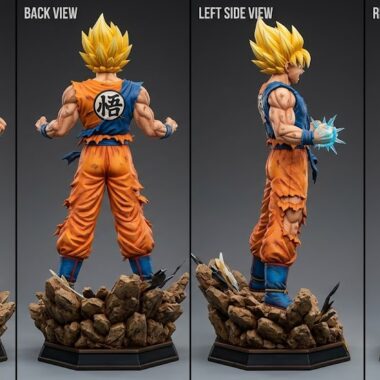
Customizing Dragon Ball figures—whether you are aiming to recreate a specific Super Saiyan transformation, add battle damage, or give your favorite Z-Fighter a unique color palette—is a rewarding journey into the world of hobbyist artistry. This project transforms mass-produced plastic into a one-of-a-kind collector’s piece.
Skill Level: Intermediate. While no prior professional training is required, a steady hand and patience are essential. If you have experience with model kits or fine-detail painting, you will find this process intuitive.
Tools List:
* Hobby Knife (X-Acto): For trimming excess plastic (flashing).
* Fine-grit Sandpaper (400 to 1000 grit): To smooth surfaces.
* High-Quality Paint Brushes: Specifically round and detail brushes (sizes 0, 00, and 000).
* Painter’s Tape: To mask off areas you don’t want to paint.
* Sculpting Tools: Metal spatulas for adding muscle texture or hair spikes.
* Microfiber Cloths: For dust removal.
Materials Needed:
* Acrylic Model Paints: Brands like Vallejo or Citadel are industry standards.
* Primer: A spray-on matte primer (grey or white) is essential for paint adhesion.
* Epoxy Putty (e.g., Tamiya or Green Stuff): For any physical alterations.
* Clear Matte or Gloss Varnish: To seal your work.
* Isopropyl Alcohol: For cleaning surfaces and thinning paints.
Estimated Time and Cost:
A basic custom repaint will take approximately 10–15 hours spread over a weekend to allow for drying times. The total cost, assuming you are buying starter supplies, is roughly $60–$100. If you already own model-making tools, the cost drops to just the price of a few paint pots and putty.
This project is not just about painting; it is about honoring the iconic aesthetic of Akira Toriyama’s universe. Whether you are working on a Goku, Vegeta, or Frieza figure, preparation is the foundation of success.
Preparation and Planning
Before the first drop of paint touches your figure, you must treat the preparation phase with the same discipline as a Saiyan training in the Hyperbolic Time Chamber.
Pre-work Requirements: Start by choosing your subject. If you are a beginner, look for a figure with larger surface areas (like a base-form character) rather than one with intricate, tiny details. Research your design—print out reference images from the anime or manga to ensure color accuracy.
Safety Precautions: Most model paints and primers contain volatile organic compounds. Always work in a well-ventilated room or use a spray booth. Wear a respirator mask when spraying primer or clear coats. Keep your hobby knives sharp, as dull blades are actually more dangerous because they require more force, leading to slips.
Workspace Setup: Your desk should be clean, well-lit, and uncluttered. Use a self-healing cutting mat to protect your furniture. A “wet palette” is a game-changer for acrylic painting; it keeps your paints from drying out while you work, allowing you to blend colors for hours. Set up a dedicated area for drying; a small cardboard box with a lid can protect your figure from dust while it cures.
Planning Tips:
1. Disassembly: Carefully check if your figure can be taken apart. Many figures are held together by friction or simple pegs. Using a hairdryer on low heat can soften the PVC plastic, making it easier to pull limbs apart without snapping them.
2. Surface Prep: Never skip washing the figure. Manufacturing processes often leave a thin layer of mold-release oil on the plastic. A quick scrub with warm water and mild dish soap ensures the primer sticks properly.
3. The “Check-In”: Before applying any paint, hold the figure in your hand and visualize the final result. If you are adding sculpting putty, ensure you have a reference image of the hair or muscle structure you are trying to emulate.
Step 1: Disassembly and Surface Preparation
The longevity of your custom figure depends entirely on how well you prepare the surface. If you paint directly onto the factory plastic, the paint will likely scratch off or bubble over time.
Step-by-Step Instructions:
1. Disassemble: Gently warm the joints of your figure with a hairdryer for 30–60 seconds. Slowly wiggle the parts apart. Keep track of which pegs go into which sockets.
2. Cleaning: Submerge the parts in warm, soapy water. Use an old toothbrush to scrub away any oily residue. Rinse thoroughly and let them air dry completely for at least 4 hours.
3. Sanding: Use 400-grit sandpaper to lightly scuff the entire surface. You aren’t trying to change the shape; you are simply creating “teeth” for the primer to grab onto. Follow up with 800-grit for a smoother finish.
4. Priming: In a well-ventilated area, hold your primer can 8–10 inches away. Apply light, sweeping bursts. Do not soak the figure; two thin coats are infinitely better than one thick, gloppy one.
Tips and Tricks:
If you encounter “flashing” (the thin plastic lines left over from the injection molding process), use your hobby knife to scrape them away before sanding. Always scrape away from your body to avoid injury.
Common Mistakes to Avoid:
* Over-sanding: You might accidentally sand away fine details like wrinkles in clothing or veins in muscles. Go slowly.
* Thick Priming: If you spray too close or too heavily, you will lose the sharpness of the figure’s features. If this happens, you must strip the paint with isopropyl alcohol and start over.
Visual Descriptions:
The figure should look uniformly dull and matte after priming. If you see shiny spots, you haven’t sanded or primed that area well enough.
Checkpoint: Ensure all parts are completely dry and the primer has cured for at least 12 hours before moving to the painting phase. If the primer feels tacky, wait longer.
Step 2: Base Coating and Layering
Now that you have a “blank canvas,” it is time to bring your Dragon Ball character to life. This stage focuses on applying the foundational colors.
Step-by-Step Instructions:
1. Thinning Your Paints: Never use paint straight from the bottle. Thin it with a drop of water or airbrush thinner until it reaches the consistency of skim milk.
2. Applying Base Coats: Apply your colors in thin, even layers. You will likely need 2–3 coats for a solid, opaque finish. Start with the largest areas (the gi or armor) and move to smaller details (skin, hair).
3. Blocking: Don’t worry about shading yet. Just ensure the colors are in the right places. Use painter’s tape to protect areas you’ve already painted if you are worried about brush slips.
4. Layering: Once the base is solid, begin adding your mid-tones. If you are painting Goku’s orange gi, use a slightly darker orange for the recessed areas to suggest depth.
Tips and Tricks:
Use a “wet palette.” If you don’t have one, place a damp paper towel on a plate and put a piece of parchment paper over it. Your paints will stay workable for hours, allowing you to experiment with color mixes.
Common Mistakes to Avoid:
* Using too much paint: If your brush is overloaded, it will pool in the crevices, obscuring the sculpted details. Always wick excess paint off on a paper towel before touching the figure.
* Rushing the dry time: If you try to paint a second layer before the first is dry, you will lift the wet paint, creating a textured, messy surface.
Visual Descriptions:
The figure should look like a “cel-shaded” version of itself at this stage—flat, clean, and vibrant. If you are painting a Super Saiyan, the hair should be a bright, uniform yellow.
Checkpoint: Look at the figure under bright light. Are there any areas where the primer is showing through? If yes, apply one more thin layer of base color. Everything should look even and intentional.
Step 3: Shading, Highlighting, and Detailing
This is where your figure transitions from a “toy” to a “collector’s display piece.” We will use shading and highlighting to mimic the dynamic lighting found in the Dragon Ball anime.
Step-by-Step Instructions:
1. Washing (Shading): Create a “wash” by heavily thinning a dark color (like a dark brown for orange fabric or a deep blue for dark blue fabric). Apply this to the recesses—under the armpits, inside the folds of the clothing, and around the muscles. The paint will naturally flow into the crevices, creating instant shadow.
2. Dry Brushing (Highlighting): Take a slightly lighter shade of your base color. Dip your brush, then wipe almost all the paint off onto a paper towel until it feels dry. Lightly brush over the raised areas—the tips of the hair, the tops of the shoulders, and the knees. This catches the light and makes the figure pop.
3. Detailing: Use your smallest brush (000) to paint eyes, scars, or battle damage. For eyes, a tiny dot of white in the corner gives the figure a “living” look.
4. Battle Damage: If you want a “post-Namek” look, use a dark grey or black to dab small, irregular spots on the gi to simulate tears or burns.
Tips and Tricks:
When shading, think about where the light source is. If the light is coming from above, the shadows should always be at the bottom of the folds. Be consistent with this logic across the whole figure.
Common Mistakes to Avoid:
* Over-shading: It is tempting to make shadows very dark, but this can make the figure look “dirty” rather than shadowed. Start light and build up the darkness.
* Unsteady hands: Rest your elbows on the table and hold the figure with your non-dominant hand. Use your dominant hand to paint, resting your pinky finger against the figure to stabilize your movement.
Visual Descriptions:
The figure should now have depth. The muscles should look defined, and the clothing should look like it has weight and texture.
Checkpoint: Hold the figure at arm’s length. Does it look like it belongs in the anime? If the contrasts seem too harsh, you can blend them by dry brushing a bit of the base color over the transition areas.
Troubleshooting Common Issues
Even the most experienced customizers encounter hurdles. Here is how to navigate the most frequent challenges in Dragon Ball figure customization.
Problem 1: The paint is “clumping” or leaving visible brush strokes.
* Solution: This usually means your paint is too thick. Add more water to your mix. If you have already applied thick paint, you can lightly sand it down with high-grit (1000+) sandpaper once it is dry, then apply a thinner layer over the top.
Problem 2: The paint is scratching off easily.
* Solution: This is a sign of poor adhesion, likely because the plastic wasn’t cleaned or primed properly. If this happens, you may need to use a cotton swab dipped in isopropyl alcohol to gently remove the paint in that area, re-prime it, and repaint.
Problem 3: The figure looks “flat” or “boring” after painting.
* Solution: This is the most common issue. The fix is usually more contrast. Increase the intensity of your shadows by adding a darker wash, and increase the intensity of your highlights by dry brushing a lighter tone. Don’t be afraid to push the colors; anime style often uses high-contrast shading that looks exaggerated in real life but perfect on a shelf.
When to Seek Professional Help:
If you have accidentally broken a limb or damaged the core structure of the figure, do not panic. Look for online communities like “Figure Realm” or Reddit’s r/ActionFigures. There are professional customizers who offer repair services, or you can find tutorials specifically on “pinning” broken joints using metal wire and superglue. If you are ever unsure about a chemical cleaner, test it on a small, hidden area of the figure first.
Final Touches and Maintenance
You are in the final stretch. Your figure is painted, shaded, and looking like a Super Saiyan warrior ready for battle. Now, we ensure it stays that way.
Finishing Steps:
1. Sealing: This is the most important step for durability. Use a matte clear coat spray. This protects the paint from dust, UV light, and minor scratches. Apply two thin coats, allowing for a full hour of drying in between.
2. Glossing: If your character has armor (like Frieza’s force or Vegeta’s Saiyan armor), you might want to apply a small amount of gloss varnish to those specific areas to make them look like polished plating or plastic.
Quality Check Procedures:
Inspect the figure under a bright light. Rotate it slowly. Check for any “missed spots” where the original plastic might be visible. Check the joints—if the paint is sticking in the joints, gently rotate them to break the seal, or use a hobby knife to carefully score the paint line so the joint can move without chipping.
Maintenance Tips:
* Dusting: Use a soft, clean makeup brush to dust your figure once a month. Never use water or chemicals to clean a finished figure, as this can degrade the varnish.
* Display: Keep your figure out of direct sunlight. The UV rays will fade your carefully applied paint jobs over time and can cause the plastic to become brittle.
* Handling: If you decide to pose your figure, handle it by the limbs rather than the painted surfaces to reduce friction.
Enhancement Suggestions:
If you want to take your customization to the next level, consider building a custom base. Use foam board to create a rocky terrain reminiscent of Planet Namek or the World Martial Arts Tournament arena. You can even add LED lights into the base to simulate a “Kamehameha” aura or a glowing energy blast.
Congratulations! You have taken a mass-produced figure and infused it with your own artistic vision. Whether it sits on your desk or joins your display shelf, it is now a testament to your patience and passion for the Dragon Ball franchise. Keep practicing, and your next custom will be even better.