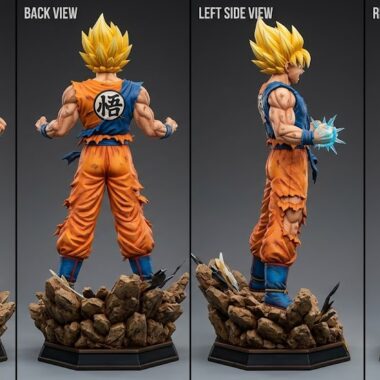
Customizing Dragon Ball Z (DBZ) action figures is a gateway into the world of professional toy photography, diorama building, and artistic expression. Whether you are looking to fix a factory paint error on your favorite Super Saiyan, add battle damage to a Piccolo figure, or completely repaint a base-form Goku into a custom “what-if” transformation, this guide will walk you through the process.
This project is suited for beginner to intermediate hobbyists. You do not need a fine arts degree, but you do need patience, a steady hand, and a willingness to learn from trial and error.
Tools and Materials List
- The Figure: A standard PVC or ABS DBZ figure (S.H. Figuarts or Dragon Stars work best).
- Paints: High-quality acrylic model paints (Vallejo or Citadel are industry standards).
- Brushes: A variety of synthetic detail brushes (size 000 to 2).
- Solvents: Isopropyl alcohol (90%+) for paint stripping and brush cleaning.
- Sealant: Matte or gloss clear coat spray (Mr. Super Clear is recommended).
- Tools: A hobby knife (X-Acto), fine-grit sandpaper (400–800 grit), sculpting putty (Apoxie Sculpt), and masking tape.
- Safety: Nitrile gloves and a respirator mask (if using aerosol sprays).
Estimates
- Time: Expect to spend 4–8 hours over the course of a weekend, including drying times.
- Cost: If you are starting from scratch, the initial investment is roughly $60–$100 for a quality starter kit of paints and tools. Subsequent projects will only cost the price of the figure itself.
Remember, the goal is to make the figure uniquely yours. Embrace the process, and don’t be discouraged if your first attempt isn’t perfect. Every master began as a novice.
Preparation and Planning
Before you touch a brush to plastic, you must prepare. Customizing is 80% preparation and 20% painting.
Pre-work Requirements
Start by thoroughly cleaning your figure. Factory figures often have a thin layer of silicone release agent from the molding process, which prevents paint from sticking. Use warm, soapy water and a soft toothbrush to scrub the figure. Let it air dry completely for at least 24 hours.
Safety Precautions
Safety is non-negotiable. Always work in a well-ventilated area. If you are using spray sealants or primers, work outdoors or in a garage with the door open. Wear a respirator mask to avoid inhaling fine paint particles or chemical fumes. Use nitrile gloves to prevent skin irritation and to keep oils from your fingers off the figure’s surface, which can cause paint to “bead up.”
Workspace Setup
Your workspace should be well-lit. A desk lamp with a daylight-balanced bulb is essential to see true colors. Organize your tools so they are within arm’s reach. Use a “wet palette”—a piece of parchment paper over a damp paper towel—to keep your acrylic paints from drying out while you work.
Planning Tips
Don’t just jump in. Sketch your ideas on paper first. If you are aiming for a specific look (like Goku’s battle-damaged gi), find reference images from the anime. Note where the shadows fall and where the highlights are. If you are painting a custom color scheme, use a photo-editing app to recolor a picture of the figure before you buy your paints. This prevents “color regret.” Finally, if you are nervous, practice your painting techniques on a cheap “bootleg” figure or a piece of spare plastic before working on your high-quality collection piece.
Step 1: Disassembly and Surface Preparation
To achieve a professional look, you must treat the figure as a canvas. This means breaking it down into manageable parts.
The Process
Most modern DBZ figures are assembled using a combination of friction pegs and heat-sensitive glue. To disassemble, immerse the figure in a bowl of hot (not boiling) water for about 3–5 minutes. This softens the plastic, allowing you to pop off limbs or heads without snapping the joints.
Once disassembled, inspect the surface. If you plan to add sculpted details, such as battle damage or hair spikes, use your Apoxie Sculpt. Mix the two-part putty until it is a uniform color and apply it to the figure. Use water to smooth it out. Once the putty cures (usually 2–4 hours), use your sandpaper to blend the edges until they are seamless with the original figure.
If you are just repainting, use your sandpaper to lightly scuff the areas you plan to paint. This “tooth” gives the paint something to grip onto. After sanding, wipe the figure down with a cloth dampened with isopropyl alcohol to remove any dust.
Tips and Tricks
- Keep track of parts: Use small labeled bags or a muffin tin to organize pegs and limbs.
- Don’t over-sand: You only want to dull the shine, not remove the plastic’s molded details.
- Heat is your friend: If a joint feels stubborn, don’t force it. Re-submerge it in hot water.
Common Mistakes
- Boiling the figure: Never use boiling water, as it can deform the PVC. Aim for “hot tap water” temperature.
- Skipping the cleaning: If you don’t remove the factory oils, your paint will peel off like a sticker within a week.
Checkpoint
Confirm that all parts are sanded, clean, and dry. Ensure that any putty work is fully cured and feels solid. If the surface feels smooth and slightly matte, you are ready for the base coat.
Step 2: Priming and Base Coating
Now that the surface is prepared, it is time to apply the color. This is where the transformation truly begins.
The Process
Start with a thin, even coat of primer. A grey or white spray primer is best for most DBZ figures. Hold the can 8–10 inches away and use short, sweeping bursts. Avoid spraying in one spot, as this causes “pooling,” which obscures detail.
Once the primer is dry, begin applying your base colors using your acrylic paints. Thin your paints with a drop or two of water. You want the consistency of skim milk. It is far better to apply three thin layers than one thick, gloppy layer. A thick coat will fill in the muscle definitions and facial features, making the figure look like a cheap toy.
Focus on blocking in the main colors first. If you are painting Goku’s orange gi, cover the entire area with a solid orange base. Do not worry about shading or highlights yet; those come in the next step. If you make a mistake, take a clean brush dipped in water or a tiny bit of alcohol and gently wipe the paint away before it dries.
Tips and Tricks
- The Wet Palette: Using a wet palette is the single best way to improve your painting. It keeps the paint fluid and easy to work with for hours.
- Layering: If you are painting a light color over a dark color (e.g., yellow hair over a dark head), you may need several coats. Be patient.
Common Mistakes
- Over-thinning: If the paint is too watery, it will run into the crevices. If it doesn’t cover in one stroke, let it dry and add another layer.
- Rushing: Trying to paint the second layer before the first is bone-dry will cause the paint to clump and tear.
Checkpoint
Check the figure under a bright light. Are there any spots where the original factory color is showing through? Is the paint smooth, or is it textured? If it looks solid and smooth, you are ready for the final, most rewarding step.
Step 3: Shading, Highlighting, and Detailing
This is the “artist’s stage.” This step turns a plastic toy into a dynamic, screen-accurate representation of your favorite character.
The Process
To add depth, use a technique called “washing.” Mix a dark-colored paint (brown or dark grey) with a significant amount of water (a 1:10 ratio). Apply this into the crevices, muscles, and folds of the clothing. The dark paint will settle into the recesses, creating instant shadow and definition. Use a clean, dry brush to wick away any excess wash that pools on the flat surfaces.
Next, use “dry brushing” for highlights. Take a light color (like a pale yellow for Super Saiyan hair or light orange for the gi), put a tiny amount on your brush, and wipe almost all of it off on a paper towel. Gently flick the brush across the raised edges of the figure. The paint will only catch on the high points, making the muscles “pop.”
Finally, use your finest brush (000) for the eyes and small details. Steady your hands by resting your wrists on the edge of your desk. Take deep breaths and paint in the eye pupils and any battle scars or dirt marks.
Tips and Tricks
- Less is more: You can always add more shading, but removing it is difficult. Build your shadows slowly.
- Reference the anime: Look at where the light source is in the show. Usually, the light hits from above, so your highlights should be on the tops of the shoulders, the top of the hair, and the bridge of the nose.
Common Mistakes
- Too much wash: If you apply too much dark wash, the figure will look “dirty” rather than “shaded.”
- Shaky hands: If you are struggling with details, try painting during the day when you are well-rested and have had a meal. Caffeine can sometimes make the process harder!
Checkpoint
Look at the figure from a distance. Does it have depth? Do the muscles look defined? If the figure looks like it has been pulled directly from the anime screen, you have succeeded.
Troubleshooting Common Issues
Even the best customizers run into trouble. Here is how to handle the most frequent hurdles.
Problem 1: Paint is peeling or scratching.
* Solution: This usually happens because the figure wasn’t cleaned properly or the primer was skipped. If this happens, you must strip the paint using a plastic-safe paint remover or 90% isopropyl alcohol and start over.
Problem 2: The figure is “sticky” after painting.
* Solution: This often occurs when using certain types of enamel paints or if the humidity was too high during drying. Let the figure sit in a cool, dry place for an extra 48 hours. If it remains sticky, a light dusting of matte sealant can often “lock in” the surface and remove the tackiness.
Problem 3: Paint blobs or “orange peel” texture.
* Solution: This is caused by painting in an environment that is too hot or by having paint that is too thick. Use your sandpaper to gently buff down the textured area, then apply a very thin layer of properly diluted paint over the top to smooth it out.
When to seek professional help:
If you have accidentally glued a joint permanently or melted the plastic with an incompatible solvent, the damage might be irreversible. At this stage, check online forums like FigureRealm or Reddit’s r/ActionFigures to see if someone else has encountered the issue. Sometimes, the best “fix” is to repurpose the part for a different custom project.
Final Touches and Maintenance
Your figure is painted, shaded, and detailed. Now, it needs protection to ensure it lasts for years on your shelf.
Finishing Steps
The final step is sealing. Use a high-quality matte clear coat. This protects the paint from UV damage, dust, and minor scratches. Hold the can 10 inches away and apply two very light coats. Do not drench the figure, as this can turn the clear coat cloudy. Allow it to cure for 24 hours. If you want a specific look—like a wet, battle-worn look—you can apply a small amount of gloss varnish only to the areas that should be shiny, like the eyes or blood/battle wounds.
Quality Check
Perform a “stress test.” Gently move the joints to ensure that the paint hasn’t “locked” them together. If you notice any paint chipping at the joints, use your hobby knife to carefully scrape away the paint in the hinge area. This is normal for articulated figures.
Maintenance and Care
- Dusting: Use a soft, clean makeup brush to dust your figures. Avoid using chemical cleaners, which can strip the paint.
- Storage: Keep your figures out of direct sunlight. The UV rays will fade your hard work and make the plastic brittle over time.
- Posing: Be careful when posing. If you force a joint, you might crack the paint you worked so hard to apply.
Enhancement Suggestions
Now that you have mastered the basics, consider taking your display to the next level. Build a custom base using foam board and acrylic texture paste to replicate the rocky terrain of Namek or the crystalline floors of the Hyperbolic Time Chamber. Adding a small LED light behind the figure can create a “Ki blast” effect that elevates your custom piece from a toy to a professional-grade display.
Customizing is a journey. With every figure you finish, you will find your brush control improving and your eye for detail sharpening. Enjoy your new, one-of-a-kind Dragon Ball Z collectible!