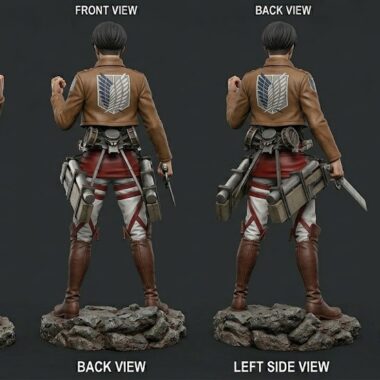
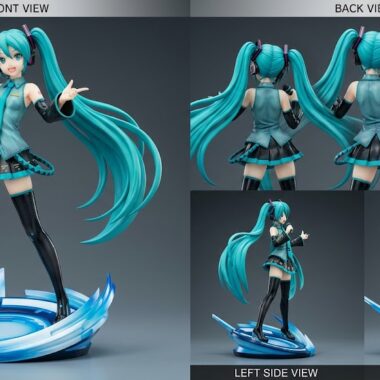
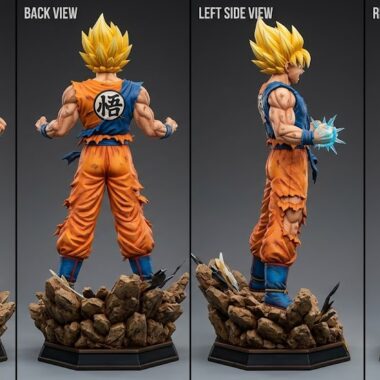
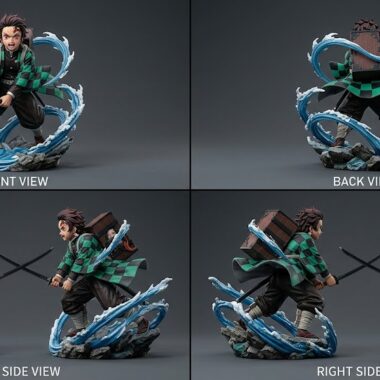
Customizing One Piece action figures is an exhilarating hobby that transforms mass-produced collectibles into unique, one-of-a-kind art pieces. Whether you want to give Monkey D. Luffy a battle-worn look, add intricate details to Zoro’s swords, or create a custom diorama base, this guide will walk you through the process.
This project is designed for beginners to intermediate hobbyists. You don’t need to be a professional sculptor, but patience and a steady hand are your best assets. The estimated time for a full repaint or minor modification is roughly 10–15 hours spread over a week, including drying times. The cost is relatively low, typically ranging from $30 to $60 for high-quality supplies that will last for multiple figures.
Tools List:
* Hobby Knife (X-Acto): For trimming excess plastic or “flash.”
* Needle-nose Pliers: For removing limbs or stubborn joints.
* Paint Brushes: A variety of sizes (000, 0, 1, and a small flat brush).
* Fine-grit Sandpaper: 400, 800, and 1200 grit.
* Masking Tape: Tamiya tape is the industry standard for precision.
* Sculpting Tool: Stainless steel spatulas for epoxy work.
Materials Needed:
* Acrylic Paints: High-pigment brands like Vallejo or Citadel.
* Primer: A spray primer (gray or white) specifically for plastics.
* Epoxy Putty: A two-part putty like Tamiya or Milliput.
* Clear Coat: Matte or gloss varnish to seal your work.
* Paint Thinner/Cleaner: Isopropyl alcohol for cleaning brushes and surfaces.
Safety Gear:
* Nitrile gloves.
* Respirator mask (essential for spray painting).
* Protective eyewear.
By gathering these items, you are ready to begin your journey into the Grand Line of figure customization. Remember, this process is about patience; the goal is to make your figure look like it stepped right out of Eiichiro Oda’s manga pages.
Preparation and Planning
Before you touch a brush to your figure, preparation is paramount. Rushing into a project without a plan often leads to messy paint jobs or broken joints.
Pre-work Requirements: Start by selecting your subject. If you are a beginner, choose a figure with a simple color scheme or larger surface areas. Study the character extensively. Use the One Piece wiki or your favorite manga volumes to look at the character from all angles. Note the specific textures: is the coat leather? Is the skin matte? Having reference images pinned to your wall or saved on a tablet is crucial for accuracy.
Workspace Setup: Your workspace should be well-ventilated, especially when using primers or sealants. A dedicated desk with a cutting mat is ideal. Ensure you have bright, natural-looking lighting—LED lamps with adjustable color temperatures are perfect for seeing true color values. Keep a cup of water for your brushes, a paper towel for dabbing, and a palette (a plastic lid or wet palette) within arm’s reach.
Safety Precautions: Never underestimate the chemicals involved. Always work in a room with an open window or a ventilation fan. If you are sanding plastic, wear a mask to avoid inhaling micro-plastics. Keep your hobby knife sharp; a dull blade requires more force, which increases the risk of slipping and causing injury. Always cut away from your body.
Planning Tips: Sketch your modifications on a photo of the figure. If you are adding a custom cape or changing hair color, draw it out first. Create a “color map” to ensure you don’t miss any small details like buttons, scars, or jewelry. Finally, disassemble the figure carefully. Use a hairdryer to gently heat the joints; this softens the plastic, making it easier to pull limbs apart without snapping pegs. Keep all small parts in labeled containers so you don’t lose them.
Step 1: Disassembly and Surface Preparation
The foundation of a perfect custom figure is the surface preparation. If you paint directly onto the factory plastic, the paint will likely chip or peel over time.
Step-by-Step:
1. Heating the Joints: Use a hairdryer on a medium setting to heat the figure’s joints for about 30–45 seconds. This relaxes the PVC plastic. Gently wiggle the parts until they pop off.
2. Sanding: Use your 400-grit sandpaper to lightly scuff the entire surface of the figure. You aren’t trying to remove the plastic, just create “tooth” for the paint to grip. Focus on the areas where you intend to add detail.
3. Washing: Once sanded, wash the parts in warm, soapy water with a drop of dish soap. This removes any mold-release agents left over from the factory. Let them air dry completely.
4. Priming: In a well-ventilated area, hold your primer can about 8–10 inches away. Spray in short, controlled bursts. Do not try to get full coverage in one pass; two thin coats are always better than one thick, gloopy one.
Tips and Tricks: If a joint is particularly stubborn, don’t force it. Heat it again. For the sanding phase, use a sanding sponge for curved surfaces like arms and legs; it conforms to the shape better than flat paper.
Common Mistakes: The most common mistake is skipping the primer. Without it, acrylic paint will slide off the plastic like water off a duck’s back. Another error is over-sanding, which destroys the fine details molded into the figure.
Visual Description: Your figure should look “frosted” after sanding—a dull, matte version of its original self. After priming, it should look like a clean, monochromatic canvas.
Checkpoint: Ensure all parts are completely dry and the primer has cured for at least 4–6 hours. If the surface feels tacky, wait longer. If the primer looks uneven, lightly buff it with 1200-grit paper before proceeding.
Step 2: Sculpting and Custom Details
Now that the canvas is ready, it is time to add character-specific details, such as battle damage, new accessories, or custom clothing elements.
Step-by-Step:
1. Mixing Putty: Take equal parts of your two-part epoxy putty and knead them together until the color is uniform. You typically have about 30–60 minutes of working time.
2. Application: Apply small amounts of putty to the figure. Use your sculpting tools to shape it. If you are adding a scar, press the tool into the putty to create a recessed line. If you are adding a cape or hair, build it up in layers.
3. Smoothing: Keep your sculpting tools slightly damp with water to prevent the putty from sticking to the metal. You can use a cotton swab dipped in a tiny amount of water to smooth out the surface of the putty until it blends seamlessly with the original plastic.
4. Curing: Let the putty cure for the time specified on the package (usually 12–24 hours). Once fully hard, use your finer sandpaper (800 and 1200 grit) to sand the edges of the putty until they are flush with the original model.
Tips and Tricks: If you are building a large structure (like a massive sword), insert a piece of wire into the figure first to act as a skeleton or “armature” for the putty to grip onto. This makes the addition much sturdier.
Common Mistakes: Using too much putty at once makes it difficult to control the shape. Work in small, manageable increments. Also, failing to sand the cured putty will result in a “lumpy” look that is very noticeable once paint is applied.
Visual Description: The figure should now look like a Frankenstein version of itself, with gray or white putty patches integrated into the limbs or accessories. The transitions between the original plastic and the putty should be smooth to the touch.
Checkpoint: Gently tap the sculpted areas. If they feel firm and do not move or dent, they are ready. Perform a final inspection under a bright light to ensure no fingerprints or tool marks remain.
Step 3: Painting and Detailing
This is where your One Piece character truly comes to life. Painting requires steady hands and an eye for color blending.
Step-by-Step:
1. Base Coating: Start with your largest areas first (e.g., the clothes). Use a slightly thinned acrylic paint. Thinning your paint with a bit of water helps it flow evenly and prevents brush strokes. Apply 2–3 thin coats.
2. Shading and Highlighting: Use a “wash” (highly thinned darker paint) to fill in the recesses, like the folds of a shirt or the gaps between fingers. This creates depth. Then, use a lighter shade of your base color to dry-brush the raised areas, making them pop.
3. Detailing: Use your smallest brush (000) for the eyes, buttons, and scars. If you make a mistake, don’t panic. Let it dry for a minute, then use a damp brush to gently “erase” the error, or simply paint over it with the base color.
4. Final Polish: Re-attach the limbs using the same heating method from Step 1. Ensure the joints move smoothly.
Tips and Tricks: If you want a realistic look, avoid using pure black for shadows. Instead, mix a dark blue or dark brown into your base color. This creates a much more natural, “painterly” look that mimics professional studio figures.
Common Mistakes: Painting with thick, un-thinned paint is the #1 mistake. It obscures the fine details of the sculpt. Also, rushing the drying time between layers can cause the paint to smear or lift.
Visual Description: The figure should now have depth, with shadows in the crevices and highlights on the edges. The paint should appear smooth, with no visible brush marks. The character’s eyes and accessories should be sharp and clean.
Checkpoint: Hold the figure at arm’s length. Do the colors look consistent? Are the transitions between colors smooth? If you see a spot that looks messy, touch it up now before sealing.
Troubleshooting Common Issues
Even the most experienced customizers run into walls. Here is how to navigate the common pitfalls of figure modification.
Problem 1: Paint is Clumping or Leaving Brush Strokes.
* Solution: Your paint is too thick. Acrylics should have the consistency of skim milk. Add a drop of water or a dedicated acrylic flow improver. Also, use a high-quality synthetic brush; cheap brushes shed bristles and leave streaks.
Problem 2: The Joints are Too Loose After Reassembly.
* Solution: This happens when you sand the ball-joint too much or the plastic stretches. Apply a thin layer of “super glue” (cyanoacrylate) to the ball joint, let it dry completely, and then sand it back slightly until it fits snugly. This adds a tiny bit of thickness back to the joint.
Problem 3: The Paint is Chipping Off.
* Solution: This usually means the surface wasn’t prepped correctly or the primer didn’t cure. If it chips, you need to strip the paint using an acrylic-safe paint stripper or high-percentage isopropyl alcohol, re-sand, re-prime, and start over. It is frustrating, but it is the only way to ensure a durable finish.
When to Seek Professional Help:
If you are dealing with a rare, expensive, or limited-edition figure and you feel overwhelmed, stop. Seek advice on forums like Reddit’s r/ActionFigures or specialized customization groups. If you have a broken internal mechanism (like a snapped metal pin inside a joint), consider reaching out to a professional restorer. Sometimes, the risk of destroying a high-value collectible outweighs the joy of a DIY project. Know your limits, and treat your most prized figures with the caution they deserve.
Final Touches and Maintenance
You are in the home stretch. The figure is painted, the joints are set, and now it is time to protect your hard work and display it with pride.
Finishing Steps:
Once the paint is 100% dry (wait at least 24 hours), apply a clear protective coat. This is the most important step for longevity. Use a matte spray varnish to protect the paint from UV light, dust, and handling. If you want a specific part to look shiny—like a devil fruit or a sword blade—use a brush-on gloss varnish just for those areas. Apply the spray in a light, even mist.
Quality Check:
Inspect the figure under harsh light. Look for “pooling” where the varnish might have gathered in corners. If you see any, gently dab it with a clean brush while it is still wet. Check the joints one last time to ensure no varnish has glued them shut. If a joint feels stiff, work it back and forth gently to break the seal of the varnish.
Maintenance Tips:
Custom figures are not toys; they are display pieces. Avoid placing your One Piece figure in direct sunlight, as UV rays will fade the paint over time. Keep it away from heat sources like radiators or gaming consoles, which can soften the plastic and cause the figure to lean or warp.
Care Instructions:
To clean dust off your figure, use a soft, dry makeup brush. Do not use water or chemical cleaners, as these can react with the acrylic paint. If you must move the figure, grip it by the torso rather than the arms or head to prevent stress on the joints.
Enhancement Suggestions:
Once you’ve mastered the basics, consider taking your display to the next level. Build a custom base using foam board, textured paint, and miniature grass to replicate the islands of the Grand Line. You could even add LED lights inside a base to simulate Luffy’s “Gear 4” aura or Zoro’s “Oni Giri” effect. The customization world is limited only by your imagination. Enjoy your new, unique addition to your collection!