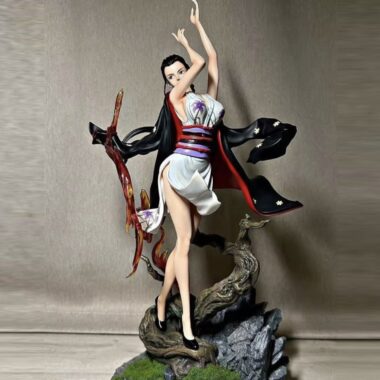
Welcome to the vibrant world of figure customization! Whether you are a fan of Monkey D. Luffy’s spirit or Trafalgar Law’s tactical genius, customizing your One Piece figures is a rewarding way to bring your favorite characters to life. This guide will walk you through the process of repainting and detailing mass-produced PVC figures to give them a high-end, collector-grade appearance.
Skill Level: Intermediate. While no prior sculpting experience is required, a steady hand and patience are essential.
Tools List:
* Hobby Knife (X-Acto): For removing mold lines and excess plastic.
* Fine-tip Paintbrushes: Sizes 000, 00, and 1 for intricate detailing.
* Wet Palette: Keeps acrylics from drying out too quickly.
* Sandpaper/Sanding Sponges: Grits 400, 800, and 1200.
* Masking Tape: Tamiya tape is recommended for precision.
* Heat Gun or Hairdryer: To soften PVC for disassembly.
Materials Needed:
* Acrylic Paints: High-quality model paints (e.g., Vallejo, Citadel, or Tamiya).
* Primer: Spray primer specifically designed for plastics (gray or white).
* Top Coat: Matte or Gloss clear varnish to protect your work.
* Isopropyl Alcohol (70%): For cleaning surfaces.
* Epoxy Putty (Optional): For minor repairs or adding accessories like a straw hat or devil fruit.
Estimated Time and Cost:
* Time: 10–15 hours, spread over several days to allow for proper curing.
* Cost: Approximately $50–$80 if starting from scratch. Most materials are reusable for future projects.
Remember, this is a creative journey. Your goal isn’t just to match the factory paint, but to enhance the character’s personality through shading, highlighting, and weathering. Let’s prepare to transform your collection into a masterpiece worthy of the Grand Line.
Preparation and Planning
Before you touch a single brush, you must prepare. Customization is 80% preparation and 20% painting. Start by choosing your target figure. If you are a beginner, look for a standard “Banpresto” or “Grandline Men” figure, as these have distinct, manageable parts.
Pre-work Requirements:
Study your character carefully. Watch clips from the anime or look at high-resolution manga panels to understand the lighting. One Piece has a very specific art style—Eiichiro Oda uses bold, cel-shaded lines. Plan your color palette before starting; mixing colors during the process can lead to inconsistent tones.
Safety Precautions:
Always work in a well-ventilated area. If using spray primer or sealants, wear a respirator mask to avoid inhaling aerosolized particles. When using hobby knives, always cut away from your body. PVC dust can be an irritant, so keep a damp cloth nearby to wipe down your workspace, ensuring no dust settles on your wet paint.
Workspace Setup:
Clear a flat, well-lit surface. A desk lamp with a daylight-balanced bulb is non-negotiable—you need to see true colors. Invest in a cutting mat to protect your furniture. Organize your paints in a rack so you aren’t fumbling while your brush is wet.
Planning Tips:
* Disassembly: Use your heat gun to gently warm the joints. PVC becomes pliable when heated, allowing you to pop off limbs or heads without damaging the plastic.
* Documentation: Take “before” photos. It’s easy to lose track of where a specific strap or accessory goes once the figure is disassembled.
* Testing: Always test your paint mixture on a spare piece of plastic (or the hidden bottom of the figure’s base) to check for color matching and adhesion. Planning is the foundation of a successful custom; skipping these steps often leads to “buyer’s remorse” halfway through the project.
Step 1: Surface Preparation and Priming
The secret to a professional-looking figure is a smooth canvas. Factory-painted figures often have a glossy, plastic-like sheen that can make them look cheap. Your first task is to remove that sheen and prepare the plastic to accept new paint.
Instructions:
1. Cleaning: Use a mild soap and water solution to wash the figure components. This removes the “mold release” agents used in factory manufacturing, which can prevent paint from sticking.
2. Sanding: Use your 800-grit sandpaper to gently buff the surface. You aren’t trying to reshape the figure, but rather create “tooth” for the primer to grip. Pay extra attention to the mold lines—the raised ridges leftover from the manufacturing process. Use your hobby knife to scrape these away, then sand smooth.
3. Priming: Shake your primer can for at least two minutes. Hold the can 8–10 inches from the figure and apply thin, light mists. Do not try to cover the entire figure in one go. You want a thin, uniform coat that preserves the fine details of the sculpt. Let it dry for 24 hours.
Tips and Tricks:
* If you see a “pooling” of primer, you’ve sprayed too close. Stop immediately and let it dry before trying to fix it.
* Use masking tape to cover areas you don’t want to prime, like pegs or connection points, to ensure they still fit perfectly during reassembly.
Common Mistakes:
* Over-sanding: Removing too much material can ruin the sharp edges of clothing or facial features. Use a light touch.
* Skipping Primer: Without primer, acrylic paint will peel off the PVC plastic like a sticker within weeks. Never skip this step.
Visual Description:
The figure should look uniformly matte and dull once primed. If you see shiny spots, those areas haven’t been sanded or primed correctly.
Checkpoint: Ensure all mold lines are gone and the primer is fully cured. If you can scratch the primer off with your fingernail, it isn’t ready.
Step 2: Base Coating and Layering
Now that you have a clean canvas, it’s time to bring your One Piece character to life. This stage focuses on applying the base colors and building depth through layering.
Instructions:
1. Base Coating: Apply your primary colors (e.g., Luffy’s red shirt, Zoro’s green hair). Thin your paints with a drop of water—the consistency should be like skim milk. Apply two thin coats rather than one thick one to avoid visible brush strokes.
2. Layering: Once the base is dry, start adding depth. For a character like Sanji, use a slightly darker shade of his suit color to paint the recessed areas (the folds in the fabric). Use a lighter shade on the raised areas where light would naturally hit.
3. Cel-Shading: One Piece is famous for its distinct shadows. Use a fine-tip brush (size 000) and a darker, desaturated tone to draw thin, sharp lines along the deep folds of clothing. Keep these lines crisp and deliberate.
Tips and Tricks:
* Wet Palette: Use this to keep your paint workable for hours. It prevents the paint from thickening while you are in the middle of a delicate area.
* Painting Eyes: This is the hardest part. Use a magnifying glass if necessary. Paint the white of the eye first, then use a tiny dot of black for the pupil. If you mess up, use a toothpick dampened with alcohol to “erase” the mistake immediately.
Common Mistakes:
* Using Paint Too Thick: This hides the intricate details of the sculptor’s work. Always thin your paints.
* Inconsistent Lighting: Ensure your shadows are all coming from the same direction. If you shade one side of the leg but highlight the other, the figure will look “off.”
Visual Description:
The figure should now look clean, with distinct color blocks and initial shading that gives the clothing a sense of volume and weight.
Checkpoint: Check the figure under different lighting conditions. Do the colors look vibrant? Are the shadows consistent with the character’s pose?
Step 3: Detailing, Weathering, and Sealing
This is where your figure transforms from a “painted toy” into a “collector’s piece.” Weathering adds age, grit, and realism, while the final sealant protects your hard work.
Instructions:
1. Weathering: One Piece is a pirate adventure, and pirates get dirty. Use a “wash”—a very thin, watery black or brown paint—and apply it to the deep crevices of the boots, belts, and accessories. Wipe away the excess with a paper towel. The wash will settle in the cracks, highlighting the texture.
2. Highlighting (Dry Brushing): Take a stiff-bristled brush, dip it in a light-colored paint, and wipe almost all of it off on a paper towel. Gently flick the brush over the edges of the figure. This will catch the raised details, making them pop.
3. Sealing: Once fully dry, apply a matte clear coat. This unifies the finish of the figure, removing any inconsistencies between the paint layers and giving it a professional, factory-finished look. If you want a specific part to look shiny (like metal buckles or eyes), apply a small drop of gloss varnish after the matte coat has dried.
Tips and Tricks:
* Less is More: With weathering, you can always add more, but taking it off is difficult. Start subtle.
* Heat Reassembly: Use your hairdryer again to soften the pegs before reattaching limbs. This prevents the paint from cracking during the assembly process.
Common Mistakes:
* Ignoring the Base: Don’t forget to paint the base! A simple wash or some dry brushing on the base can make the character look like they are standing in a real environment.
* Rushing the Sealant: If you apply sealant before the paint is 100% dry, it can cause the paint to reactivate and smear. Wait at least 12 hours after your final paint touch-up.
Visual Description:
The figure should now appear cohesive. The weathering should have brought out the texture of the fabric, and the matte finish should make the colors look rich and intentional.
Checkpoint: Perform a “shake test.” If the limbs are loose, use a tiny dab of superglue to secure them permanently.
Troubleshooting Common Issues
Even the most experienced customizers run into walls. Here is how to handle the most frequent hurdles:
Problem 1: Paint is “clumping” or leaving streaks.
* Solution: This usually means your paint is too thick or your brush is loaded with too much paint. Clean your brush, thin your paint with a drop of water, and try again. If the surface is already ruined, let it dry, lightly sand the clump, and re-prime that small area.
Problem 2: The paint is rubbing off during assembly.
* Solution: This is common at joints. The paint is likely too thick, creating friction. Use a hobby knife to carefully scrape a tiny amount of plastic off the peg before you paint it, leaving more room for the paint layer. Alternatively, avoid painting the actual connection points.
Problem 3: The eyes look “wonky” or cross-eyed.
* Solution: Eyes are notoriously difficult. If you aren’t happy, don’t panic. Use a cotton swab with a tiny amount of isopropyl alcohol to wipe the paint off the eye area only. Let it dry completely and try again. Sometimes, it helps to practice painting eyes on a spare piece of plastic until your hand is steady enough.
When to Seek Professional Help:
If you accidentally snap a limb or damage the sculpt beyond repair, look into “figure donor” parts. You can often buy broken figures on auction sites for cheap, using them for parts. If you are attempting a complex modification (like adding custom LED lights) and have no electrical experience, consult online forums or YouTube tutorials specifically for “LED figure modding” to avoid short-circuiting your project.
Final Touches and Maintenance
Congratulations! You have successfully customized your One Piece figure. The final steps are about ensuring your work stands the test of time.
Finishing Steps:
Take a moment to inspect the figure under bright, natural light. Look for any “missed spots” where the original plastic might be showing through. A final touch-up with a fine brush is normal. Ensure all accessories (like swords or hats) are securely attached. If you’ve added any sculpted elements with epoxy putty, ensure they are fully cured and sanded to match the texture of the surrounding plastic.
Quality Check Procedures:
Perform a “gentle handling” check. Touch the figure in areas where it might be handled (like the base or limbs). If the paint feels “tacky” or sticky, it is not fully cured. Place it in a dust-free, dry area for another 24 hours. A properly cured matte finish should feel smooth and dry to the touch.
Maintenance Tips:
* Dusting: Use a soft, clean makeup brush to dust your figures. Never use water or household cleaners, as they can damage your custom paint job.
* Sunlight: Keep your figures out of direct sunlight. UV rays will cause even high-quality model paints to fade or yellow over time.
* Storage: If you need to store them, wrap them individually in acid-free tissue paper. Never stack them, as the weight can cause the paint to rub off or the plastic to warp.
Care Instructions:
Your custom figure is a piece of art, not a toy for rough play. Treat it with the same care you would a statue. If you notice a chip in the paint later, don’t worry—simply mix a tiny bit of your original paint color and carefully dab it over the spot, then re-seal it with a spot of matte varnish.
Enhancement Suggestions:
Once you’ve mastered the basics, consider adding custom decals for pirate crew logos, creating small dioramas for the base, or even experimenting with “object source lighting” (OSL) to make it look like a character’s Devil Fruit power is glowing. The One Piece world is vast, and your customization journey is just beginning. Enjoy your unique creation—you’ve truly made it yours!