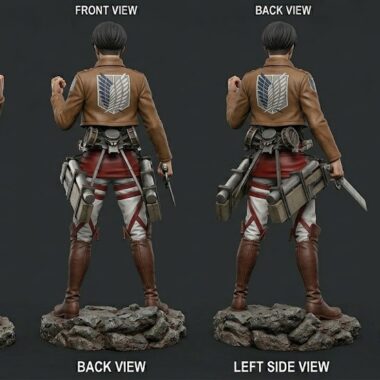
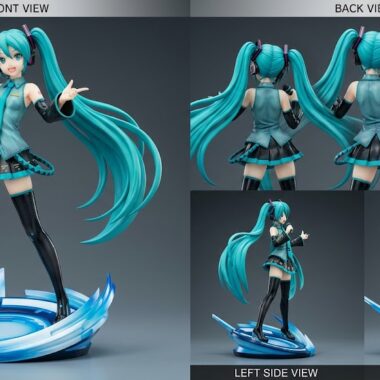
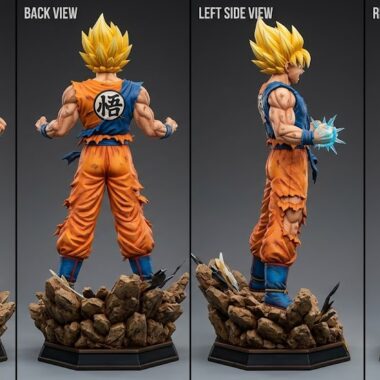
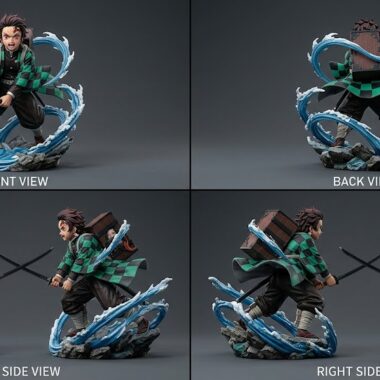
Customizing WWE figures—often referred to in the hobby as “fig-fed” or “custom wrestling figures”—is a rewarding intersection of art, engineering, and fandom. Whether you want to recreate a legendary wrestler’s iconic look that Mattel hasn’t released yet, or you want to build your own original character, this guide will provide the foundation to transform a standard plastic figure into a one-of-a-kind masterpiece.
This project is suitable for beginners, though it requires patience and a steady hand. While advanced techniques like sculpting complex accessories require artistic flair, basic paint applications and “part swapping” are accessible to anyone with a bit of practice.
Tools List:
* Heat source: A hair dryer or a bowl of near-boiling water (for loosening joints).
* Precision tools: An X-Acto knife with #11 blades and a set of sculpting tools (ball styluses and spatulas).
* Paintbrushes: High-quality synthetic detail brushes (sizes 0, 00, and 000).
* Cleaning: Rubbing alcohol and cotton swabs.
* Protection: Masking tape or painter’s tape.
Materials Needed:
* Base figure: A donor WWE figure (Mattel Elite or Basic series).
* Paints: High-quality acrylic model paints (brands like Vallejo or Citadel are industry standards).
* Sealant: A matte or gloss acrylic varnish spray (e.g., Mr. Super Clear or Testors Dullcote).
* Sculpting medium: Two-part epoxy putty (like Apoxie Sculpt).
Estimated Time and Cost:
A basic custom paint job can be completed in an afternoon (3–5 hours), while extensive sculpting and repainting may take several days of drying time. In terms of cost, you can expect to spend between $30 and $60 for a starter kit of paints and tools, plus the cost of the base figure. It is an affordable way to build a professional-grade collection without the high prices of custom commissions.
Preparation and Planning
Before you touch a brush to plastic, you must prepare. Customizing is 80% planning and 20% execution.
Pre-work Requirements: Start by selecting your “donor” figure carefully. Ensure the body type matches the wrestler you are creating. If you are making a heavyweight, don’t start with a cruiserweight body mold. Look for figures with similar gear patterns; it is much easier to paint over existing designs than to build them from scratch.
Safety Precautions: Always work in a well-ventilated area. When using aerosol sealants or harsh chemicals like acetone (if used for paint removal), a respirator or a fan-assisted window is mandatory. Never use a hairdryer near water, and be extremely cautious when using X-Acto knives; always cut away from your body.
Workspace Setup: A clean, well-lit desk is essential. Use a self-healing cutting mat to protect your surface. Organize your paints in a palette (a plastic lid or a ceramic plate works well) so you aren’t juggling bottles while trying to apply a thin line. Keep a cup of water for rinsing brushes and a paper towel for dabbing excess moisture.
Planning Tips: Sketch your design on paper first. If you are recreating a real wrestler’s gear, print out multiple reference photos from different angles (front, back, and sides). You cannot rely on memory alone. Establish your color palette before you start. If you are doing a full repaint, decide if you are keeping the original skin tone or painting over it entirely. If you are doing a “part swap,” test the joints first to ensure they are compatible. Remember, the goal is to create a cohesive look, so take your time during this phase. If you fail to plan, you plan to fail—or worse, ruin a perfectly good figure.
Step 1: Disassembly and Surface Preparation
The first major phase of customization is preparing the “canvas.” You cannot paint directly onto a factory-finished figure because the factory paint will repel your new layers, and the surface is often too oily or shiny to hold pigment effectively.
Step-by-Step Instructions:
1. Loosening the joints: If you need to swap arms or legs, submerge the torso in near-boiling water for about 60 seconds. This softens the plastic, allowing the joints to pop out without snapping the pegs.
2. Removing factory paint: Use a cotton swab dipped in 90% rubbing alcohol to scrub away unwanted logos or gear patterns. For stubborn paint, a very light application of acetone can work, but be warned: acetone melts plastic. Use it sparingly and wipe it away immediately.
3. Sanding: Use fine-grit sandpaper (400–600 grit) to lightly scuff the areas where you intend to paint. This creates “tooth” for the paint to grip.
4. Cleaning: Wash the figure with mild soap and water to remove any sanding dust or oils, then let it air dry completely.
Tips and Tricks: Always keep track of your pegs. If you are disassembling a figure, put the parts in a labeled baggie so you don’t mix up left and right limbs. If you are keeping the original skin tone, mask off the limbs with painter’s tape to protect them while you work on the torso.
Common Mistakes: The most common error is using too much acetone, which can turn the plastic into a gooey mess. Another mistake is skipping the sanding phase, which causes the paint to chip off during the first “pose.”
Visual Description: Your figure should look “dull” and matte after sanding. It should feel slightly rough to the touch, not shiny.
Checkpoint: Ensure all factory paint that you wanted to remove is gone and the surface is completely dry. If the plastic feels greasy, wash it again.
Step 2: Sculpting and Structural Changes
Now that the figure is a blank slate, it’s time to add the unique details that define the wrestler’s look—such as kneepads, masks, hair, or specialized gear.
Step-by-Step Instructions:
1. Mixing the putty: Take equal parts of your A and B epoxy putty. Knead them together until the color is uniform (usually a consistent gray or white). You have about 30–60 minutes of working time before it hardens.
2. Applying the putty: Apply small amounts to the figure. Use your sculpting tools to smooth the edges. If you are adding hair, build it up in layers rather than one giant glob.
3. Refining: Keep your tools damp with water to prevent the putty from sticking to the metal. This allows for smooth, clean lines.
4. Curing: Let the figure sit undisturbed for at least 24 hours. The putty will become rock-hard and can even be sanded further once cured.
Tips and Tricks: Less is more. You can always add more putty later, but removing cured putty is difficult and can damage the underlying plastic. Use a ball-tipped stylus to create textures like stitches or fabric wrinkles.
Common Mistakes: Applying the putty too thick will result in a “clunky” look that limits articulation. If you sculpt over a joint, the figure will no longer be able to move in that direction. Always check the range of motion while the putty is still soft.
Visual Description: The sculpted areas should look like a smooth, intentional addition to the figure. If you are making a mask, the edges should blend seamlessly into the face.
Checkpoint: Ensure the putty is fully cured. If you can dent it with your fingernail, it is not ready for painting.
Step 3: Painting and Detailing
This is the stage where the figure comes to life. Using high-quality acrylics, you will apply your colors.
Step-by-Step Instructions:
1. Priming: If you are painting over a dark color with a light color, use a thin coat of white primer first.
2. The Base Coat: Apply your paint in thin, watery layers. Never try to cover the plastic in one thick coat; it will look streaky and hide the sculpted details.
3. Detailed Work: Use your smallest brush for logos, eye details, or intricate gear patterns. Use a steady hand and rest your wrists on the desk to minimize shaking.
4. Layering: Allow each layer to dry for at least 30 minutes before applying the next. This prevents “lifting,” where the new paint pulls the old paint off.
Tips and Tricks: If you make a mistake, wipe it away immediately with a damp brush. If the paint has dried, use a tiny bit of alcohol on a toothpick to scrape it off. To get crisp lines on gear, use thin strips of painter’s tape as a stencil.
Common Mistakes: Using paint straight from the bottle is a rookie mistake. Always thin your paint with a drop of water on your palette. Thick paint ruins the proportions of the figure.
Visual Description: The figure should have solid, opaque colors. The transitions between different colors on the gear should be sharp and clean.
Checkpoint: Look at the figure under bright light. Check for “bald spots” where the underlying plastic shows through. Touch up these areas carefully.
Troubleshooting Common Issues
Even the pros run into trouble. Don’t panic; most issues are reversible.
Problem 1: Sticky Paint.
If your paint remains tacky after 24 hours, it means the humidity was too high or the paint was too thick. Solution: Place the figure in a dry area with a fan blowing on it for another 24 hours. If it remains sticky, you may need to strip the paint and start over.
Problem 2: Paint Chipping at the Joints.
This is the “wrestler’s curse.” Paint is not flexible; plastic is. Solution: When painting near a joint, use a hobby knife to lightly scrape away the paint where the two plastic parts meet. This “clearance” prevents the paint from grinding against itself when you pose the figure.
Problem 3: “Gobbed” Sculpting.
If your sculpted hair or gear looks like a blob, you applied too much putty. Solution: Don’t try to fix it while wet. Wait for it to dry, then use a coarse file or sandpaper to file the putty down to the desired shape. You can then use a little bit of fresh putty to smooth over any sanding marks.
When to seek professional help: If you have accidentally snapped a joint peg inside the torso, the figure may be permanently damaged. While there are “pin replacement” tutorials online, these require drilling and specialized tools. If you reach this stage and lack the confidence to perform surgery, consider the figure a “display piece” that remains in one static pose, or use it for spare parts for your next project.
Final Touches and Maintenance
You are in the home stretch. The final steps are what separate a “toy” from a “collectible.”
Finishing Steps:
Once the paint is 100% dry, you must seal your work. This protects the paint from scratches and gives the figure a professional, uniform finish. Take your figure outside or into a ventilated area. Hold your spray sealant (matte or gloss) about 8–10 inches away and apply a light, even mist. Do not soak the figure; multiple light coats are better than one heavy, dripping coat.
Quality Check Procedures:
After the sealant has dried (check the can for dry times), test the articulation. Gently move the limbs. If you hear a “cracking” sound, that is just the sealant breaking at the joints. This is normal. If you notice any spots you missed, you can touch them up with a tiny dab of paint and re-seal that specific area.
Maintenance Tips:
Keep your custom figures out of direct sunlight. UV rays will yellow the plastic and fade your custom paint job over time. Dust your figures regularly with a soft, dry makeup brush. Avoid using household cleaners or glass sprays, as these can strip the acrylic paint.
Care Instructions:
If you plan to play with your figures (or engage in “fig-fed” photography), handle them by the torso rather than the limbs. Constant bending of joints will eventually wear down even the best paint job. Store them in a cool, dry place.
Enhancement Suggestions:
Want to take it to the next level? Look into “decals.” You can print custom logos on water-slide decal paper using an inkjet printer. These allow you to get incredibly detailed logos or tattoos on your figures that are impossible to paint by hand. Additionally, look into “cloth goods.” Many customizers replace plastic capes or shirts with fabric versions using thin spandex or felt. This adds realism and movement that plastic simply cannot replicate.
Customizing WWE figures is a journey. Your first figure might not be perfect, but with every project, your technique will improve. Welcome to the community!