Why This Purchase Decision Is More Complex Than It Appears
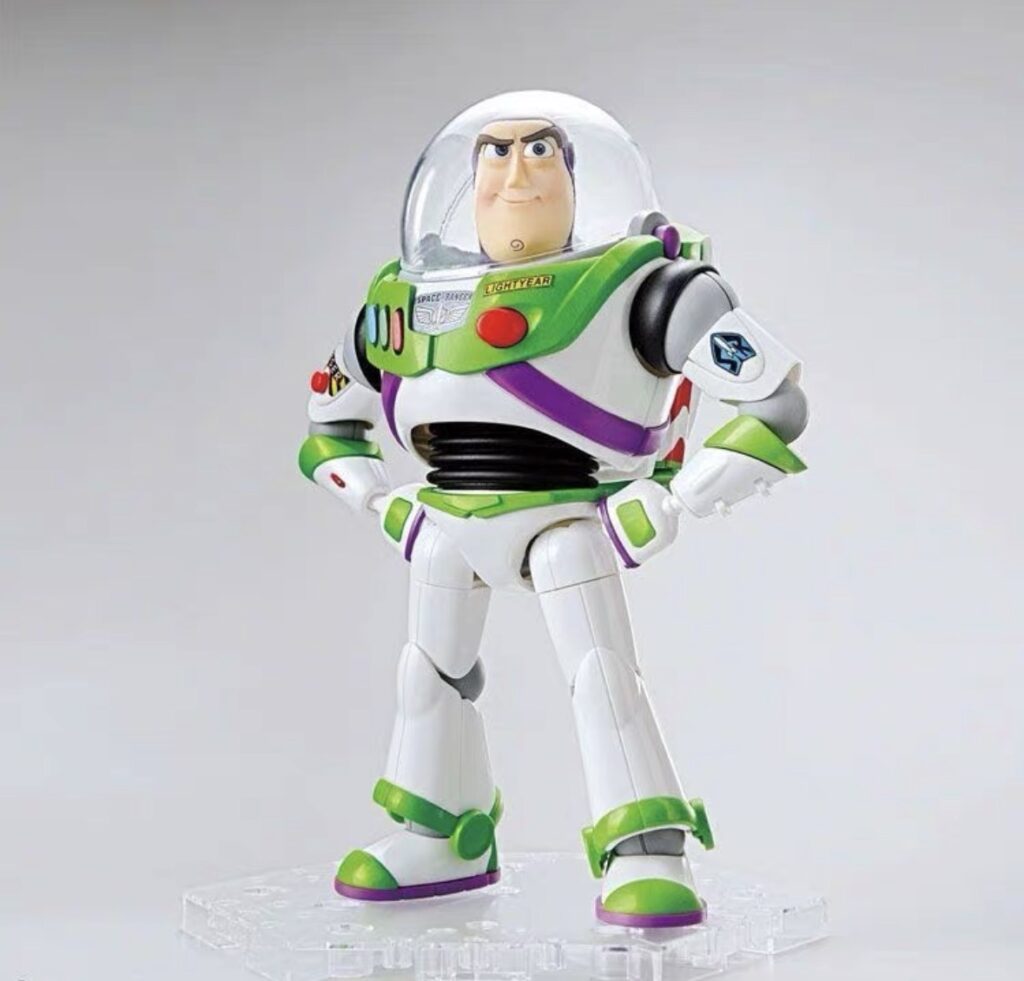

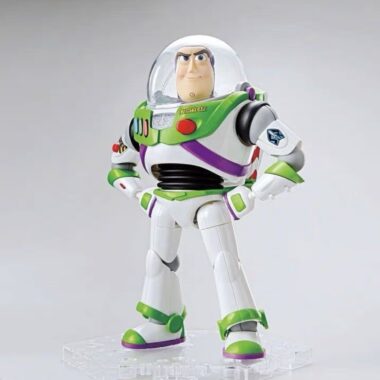
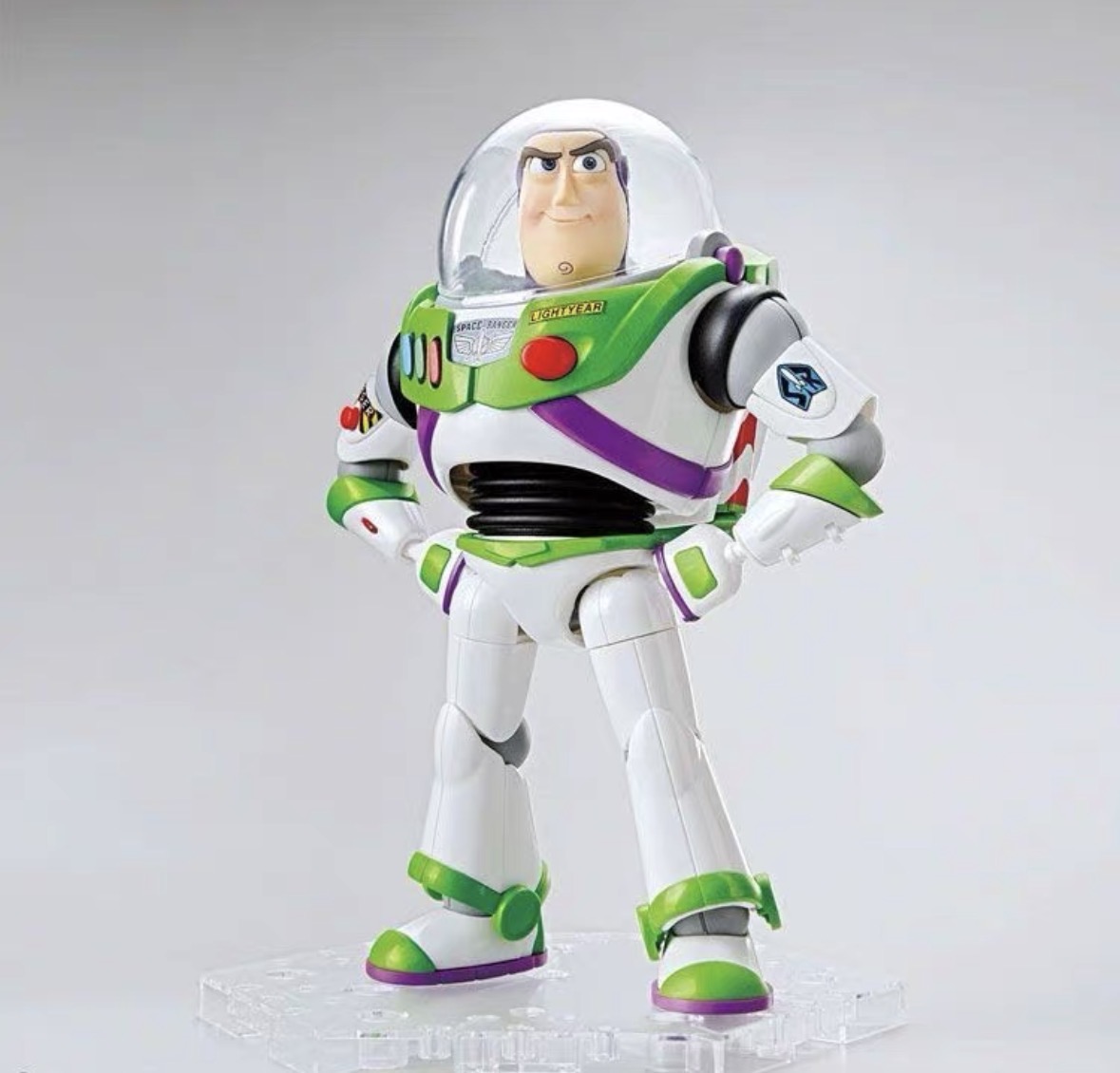
Buzz Lightyear Action Figure Popular Culture Toy Story Custom figurine Confident Stance
The Buzz Lightyear action figure stands confidently with both hands on his hips, facing slightly forward. His clear domed helmet is raised, revealing a determined…
View Product →The acquisition of a collectible item, particularly one as iconic as a Buzz Lightyear action figure, often seems straightforward: find the desired pose, check the price, and complete the transaction. However, the “Buzz Lightyear Action Figure Popular Culture Toy Story Custom figurine Confident Stance” introduces several layers of complexity that first-time buyers, and even seasoned collectors, frequently overlook. The term “custom figurine” immediately signals a departure from mass-produced, officially licensed items, opening avenues for significant variations in quality, material composition, and artistic interpretation. Unlike a standard retail product with consistent manufacturing standards, a custom piece can range from a professionally sculpted and painted artisan item to a modified existing figure or even a less refined, independently produced replica. Nuances such as paint application fidelity, material durability, accurate scale representation, and the stability of the “confident stance” itself become critical variables. Furthermore, the absence of a universally recognized quality control standard necessitates a deeper analytical approach to ascertain true value and ensure the purchased item aligns with expectations, transcending mere visual appeal in a product image.
The Critical Evaluation Framework
Performance Specifications That Actually Matter
For a static display piece like the “Confident Stance” Buzz Lightyear figurine, traditional “performance specifications” are redefined to focus on aesthetic integrity and physical resilience. The paramount specification is sculptural accuracy and fidelity to the character’s established design, particularly in the nuanced portrayal of the “confident stance” with arms bent and hands on hips. This includes the precise angles of the limbs, the turn of the head, and the overall dynamic energy conveyed by the pose. Deviations here can significantly diminish the figure’s iconic representation. Secondly, paint application precision is crucial. This encompasses the crispness of color separation, the absence of overspray or bleeding between different hues, and the uniformity of the finish (e.g., matte vs. gloss) across various armor segments and facial features. A poorly painted figure, regardless of its sculpt, will fail to meet collector expectations. Thirdly, material stability and structural integrity are vital for long-term display. This refers to the figure’s ability to maintain its pose without warping, sagging, or developing stress cracks over time, especially in varying environmental conditions. Lastly, the stability of the base or footings ensures the figure can stand unassisted, maintaining its “confident stance” without risk of toppling, which is essential for display safety and aesthetic presentation.
Build Quality and Material Science Considerations
The inherent quality of a custom figurine is largely dictated by its build and the materials employed. Unlike mass-produced figures often made from injection-molded PVC or ABS plastics, custom figurines can utilize a broader spectrum of materials, each with distinct properties. High-quality custom pieces frequently employ resin (e.g., polyurethane resin), known for its ability to capture intricate detail and provide a satisfying weight. However, resin can be brittle and susceptible to breakage if dropped. Alternatives include high-density PVC, which offers greater flexibility and impact resistance but may slightly compromise fine detail compared to resin. Some custom figures might even incorporate 3D-printed components, often made from PLA or ABS filaments, which require careful finishing to remove layer lines and achieve a smooth surface.
Beyond the primary material, the paint formulation is equally critical. Durable acrylics with a UV-resistant topcoat are ideal for preventing fading and chipping over time. The method of application, whether airbrushed for smooth gradients or hand-painted for fine details, directly impacts the visual quality. For the clear domed helmet, optical-grade acrylic or polycarbonate is preferred for its clarity and resistance to yellowing, as opposed to cheaper, less stable plastics that can degrade quickly. Furthermore, the assembly method—whether seamlessly integrated parts or securely joined components—contributes to the overall robustness. A figure with visible seams, poorly aligned parts, or weak adhesive points indicates compromised build quality that will affect both aesthetics and longevity.
Ecosystem Compatibility and Long-Term Software Support
While the concept of “ecosystem compatibility” and “software support” might seem incongruous for a static action figure, it can be meaningfully reinterpreted within the context of collectible figurines, particularly custom ones. Ecosystem compatibility primarily refers to the figure’s ability to integrate visually and thematically within an existing collection. This involves scale consistency, ensuring the Buzz Lightyear figure is appropriately sized relative to other figures in a display (e.g., 1/6th scale, 1/10th scale). A figure that is disproportionately large or small can disrupt the visual harmony of a collection. Furthermore, stylistic congruence is important; does the “custom” aesthetic align with other figures, or does it stand out jarringly? For instance, a highly realistic custom sculpt might clash with a more stylized, animated collection.
Long-term “software support”, in this non-digital realm, translates to the availability of community knowledge, authenticity verification, and potential for future physical enhancements or repairs. For custom figurines, this means:
1. Community Resources: The existence of online forums, collector groups, or reputable independent reviewers who can provide insights into the creator’s reputation, common issues, or tips for display and maintenance. This collective knowledge acts as a form of “user manual” and troubleshooting guide.
2. Authenticity Verification: The ability to verify the provenance of a custom piece, especially if it claims to be from a specific artisan or limited run. This might involve unique serial numbers, creator signatures, or certificates of authenticity, which are crucial for maintaining its long-term value and preventing confusion with unauthorized reproductions.
3. Repair and Modification Potential: While not “software updates,” the availability of information or skilled individuals who can perform minor repairs (e.g., re-gluing, paint touch-ups) or even custom modifications (e.g., creating a custom base, adding LED features) extends the figure’s lifespan and adaptability. A lack of such “support” means any damage or desire for personalization becomes a significant, potentially insurmountable, challenge.
Dissecting the Budget Tiers
Entry-Level: What You Sacrifice and What You Gain
Entry-level “custom” Buzz Lightyear figurines, typically priced at the lower end of the market spectrum for bespoke items, usually represent a compromise in several key areas. Buyers should expect to sacrifice a degree of material sophistication; these figures might be made from simpler, less dense plastics or 3D-printed with less post-processing, potentially exhibiting visible layer lines or a lighter, less substantial feel. Paint application might be less precise, with minor imperfections, slight bleeding, or a less nuanced color palette. The level of sculptural detail could also be simplified, with fewer intricate textures or less refined facial features compared to higher-tier options.
What buyers gain, however, is accessibility and affordability. These figures offer a way to acquire a unique interpretation of the character without a significant financial outlay. They can serve as excellent display pieces for casual collectors or those less concerned with absolute perfection. Furthermore, the lower price point often makes them more suitable for potential customization by the buyer, as the risk associated with altering an expensive piece is reduced. They provide a stepping stone into the custom figurine market, allowing buyers to gauge their interest and preferences before committing to more substantial investments.
Mid-Range: The Engineering Sweet Spot Explained
The mid-range budget tier for a “Confident Stance” Buzz Lightyear custom figurine often represents the “engineering sweet spot,” balancing cost with a significant leap in quality and detail. Here, buyers can expect to find figures crafted from higher-quality materials such as dense PVC or mid-grade resin, offering a more robust feel and superior detail retention. Paint application is typically executed with greater precision, featuring cleaner lines, more subtle shading, and a closer adherence to the character’s established color scheme. The sculptural fidelity is usually very strong, capturing the iconic pose and facial expressions with accuracy and dynamism.
The value proposition in this tier lies in its ability to deliver a near-premium experience without the associated top-tier price tag. Manufacturers or artisans in this segment have often optimized their production processes, leveraging efficient molding or printing techniques alongside skilled hand-painting to achieve excellent results. Buyers gain a figure that is aesthetically pleasing, durable for display, and often comes from creators with a developing reputation for quality. This tier is ideal for collectors who demand a high-quality display piece but are not necessarily seeking the absolute pinnacle of artisan craftsmanship or the most exotic materials. It offers a reliable and satisfying purchase, where the incremental cost often translates directly into tangible improvements in visual appeal and longevity.
Premium: When the Price Premium Is Justified by Data
Premium-tier “Confident Stance” Buzz Lightyear custom figurines command a higher price due to a demonstrable commitment to unparalleled quality, intricate detail, and often, limited production runs. The price premium in this segment is justified by several key factors. Foremost is the use of superior, often proprietary, materials, such as high-grade polyresin specifically formulated for fine art collectibles, which allows for exceptional replication of textures and minute details that cheaper materials cannot achieve. Master-level sculpting and painting are standard, often involving multiple layers of paint, weathering effects, and highly precise detailing that can mimic fabric textures, metallic sheens, and realistic skin tones, all applied by highly skilled artists.
Furthermore, premium figures often feature advanced engineering, such as integrated internal armatures for enhanced stability, or complex multi-part assembly that eliminates visible seams. The clear domed helmet, for instance, might be made from optically perfect, scratch-resistant acrylic. Exclusivity also plays a significant role; these figures are frequently produced in very limited quantities, sometimes individually numbered, increasing their rarity and potential long-term investment value. The provenance and reputation of the sculptor or studio are typically well-established, offering assurance of artistic integrity and consistent quality. Buyers in this tier are not merely purchasing a figure; they are investing in a piece of art, where the meticulous attention to every detail, from the initial sculpt to the final protective packaging, is evident and directly contributes to its elevated cost and perceived value. The data justifying this premium lies in the observable perfection of execution, the quality of materials, and the verifiable scarcity, all contributing to a superior collector’s item.
Common Buyer Mistakes — and How to Avoid Them
Buzz Lightyear Action Figure Popular Culture Toy Story Custom figurine Confident Stance
The Buzz Lightyear action figure stands confidently with both hands on his hips, facing slightly forward. His clear domed helmet is raised, revealing a determined…
View Product →Specification Traps That Look Good on Paper
Buyers of custom figurines often fall prey to “specification traps” where advertised features, while sounding impressive, do not translate into tangible benefits for a static display piece or are simply marketing jargon. For instance, a listing might boast “museum-grade plastics” or “hand-painted with 100+ applications.” While these phrases sound premium, without specific material identification (e.g., specific resin type, ABS, PVC) or visual evidence of the painting complexity, they remain vague. A common trap is focusing solely on the stated scale (e.g., 1/6th) without verifying the actual dimensions against a known reference. A poorly scaled figure, even if technically 1/6th, might look out of place if the sculptor’s interpretation is disproportionate.
To avoid these traps, buyers should always:
1. Demand specifics: If a material is “museum-grade,” inquire about its chemical composition. If paint applications are numerous, ask for high-resolution images that clearly demonstrate the depth and layering.
2. Cross-reference dimensions: Obtain the exact height, width, and depth of the figure and compare it to official character guides or other known figures in the same scale. Do not rely solely on a stated scale without confirming physical measurements.
3. Prioritize visual evidence: High-quality, varied photographs from multiple angles, including close-ups of critical details like the face, hands, and paint lines, are far more valuable than verbose descriptions. If a seller only provides highly edited or low-resolution images, this is a red flag.
4. Understand material limitations: Recognize that certain materials excel in different areas. Resin offers detail but can be fragile; PVC is durable but might lack fine crispness. “Best” is subjective and depends on what you prioritize.
Marketing Language vs Measurable Performance Differences
The world of custom collectibles is rife with marketing language designed to evoke emotion and imply superiority, often obscuring measurable performance differences. Terms like “heroic presence,” “exudes readiness,” or “commanding presence” are subjective descriptors of the “Confident Stance” that do not provide objective data. While they describe the desired aesthetic, they don’t tell you how that aesthetic is achieved or maintained. Similarly, phrases such as “dynamic sculpt” or “lifelike accuracy” are open to broad interpretation.
To cut through the marketing rhetoric and focus on measurable performance:
1. Focus on quantifiable attributes: Instead of “lifelike accuracy,” evaluate the precision of the sculpt’s anatomical proportions, the symmetry of facial features, and the crispness of the costume details. These are objectively verifiable.
2. Assess paint application objectively: Look for measurable consistency in paint thickness, absence of brush strokes (unless intentional), and uniform color saturation. Compare these against official character references.
3. Evaluate structural integrity: The figure’s ability to stand without assistance, its weight distribution, and the security of its components are measurable aspects of its “performance.” A figure that consistently topples or feels flimsy fails these objective tests, regardless of how “heroic” its pose is described.
4. Seek unedited reviews and community feedback: Independent reviews, especially those with unedited photographs or videos, often provide a more objective assessment of a figure’s actual quality and any discrepancies between marketing claims and the final product. This “crowdsourced data” can be invaluable in identifying measurable performance differences that marketing language attempts to gloss over.
The Decision Framework: Matching Product to Buyer Profile
Questions to Clarify Before Committing
Before committing to a purchase, a systematic clarification process can significantly mitigate buyer’s remorse, especially for custom figurines. These questions help match the product’s attributes to your specific needs and expectations:
- What is my primary display environment? Will the figure be exposed to direct sunlight, high humidity, or frequent handling? This dictates the required material durability and UV resistance.
- What is my existing collection’s aesthetic and scale? Does this “custom” Buzz Lightyear figure fit visually and dimensionally with my other pieces, or will it stand out incongruously?
- How critical is absolute character fidelity versus artistic interpretation? Am I seeking a near-perfect replica of the movie character, or do I appreciate a sculptor’s unique stylistic take on Buzz Lightyear?
- What is my tolerance for minor imperfections? Am I seeking factory-perfect paint and sculpt, or am I prepared to accept small, handmade nuances inherent in custom pieces?
- What is the provenance of the custom piece? Who is the sculptor/creator? Do they have a reputation? Is there any documentation of authenticity?
- What is the actual return policy and warranty, especially for custom items? Custom pieces often have stricter return policies due to their unique nature.
- What is the figure’s exact weight and dimensions? This helps assess material density and display space requirements.
- Are there any articulation points, or is it a completely static sculpt? While “Confident Stance” implies static, some custom pieces might have limited articulation.
Red Flags to Watch for in Product Listings
Vigilance is key when navigating listings for custom collectibles, as several indicators can signal potential issues or misrepresentation. Recognizing these red flags can save significant disappointment:
- Vague or generic descriptions: A lack of specific details about materials, dimensions, or the creation process suggests either a lack of transparency or a seller unfamiliar with their own product.
- Limited, poor-quality, or heavily edited photographs: If images are scarce, blurry, taken from only one angle, or appear to be heavily Photoshopped (e.g., unnatural lighting, background removal that obscures details), it prevents a proper assessment of the figure’s true condition and quality.
- Inconsistent pricing: A custom figure priced significantly below comparable pieces of similar advertised quality should raise suspicion about materials used, authenticity, or hidden flaws. Conversely, an exorbitant price without clear justification in materials, craftsmanship, or rarity is also a warning.
- Lack of seller reputation or reviews: For custom pieces, the creator’s or seller’s track record is paramount. If there are no reviews, negative reviews, or a very new account, proceed with extreme caution.
- Claims of “official” or “licensed” for a clearly custom piece: This is a direct misrepresentation and a serious red flag, indicating potential counterfeiting or deceptive practices.
- “No returns accepted” policy without justification: While some custom artisans might have strict policies, a blanket “no returns” on a high-value item without clear reasons or avenues for addressing defects is problematic.
- Excessive use of marketing hype without supporting facts: As discussed, relying solely on emotional language without objective details is a common tactic to mask deficiencies.
Final Checklist Before Purchase
To ensure a fully informed and confident decision, run through this final checklist immediately before committing to the purchase of your Buzz Lightyear “Confident Stance” custom figurine:
- Verified Seller/Creator: Have you thoroughly researched the seller’s or artisan’s reputation, checking independent reviews and community feedback?
- Confirmed Materials: Do you have clear, specific information on the primary materials (e.g., type of resin, PVC, ABS) and paint used, and are you comfortable with their properties?
- Exact Dimensions: Have you obtained and confirmed the precise height, width, and depth of the figure to ensure it fits your display space and collection scale?
- High-Resolution Imagery: Have you reviewed multiple high-quality, unedited photos from all angles, including close-ups of critical details like the face, helmet, and paint lines?
- Clarity on Custom vs. Official: Is it unequivocally clear that this is a custom piece, and are your expectations aligned with the unique characteristics and potential variations of custom work?
- Review of Return Policy: Do you understand the seller’s return, refund, and warranty policies, especially concerning custom items?
- Shipping & Packaging Details: Is the shipping cost clear, and does the seller use appropriate, protective packaging for fragile collectibles?
- Total Cost Breakdown: Have you accounted for the full cost, including the item price, shipping, taxes, and any potential customs duties?
- Display Intent Match: Does this specific “Confident Stance” figure align perfectly with your aesthetic preferences and the intended display purpose within your collection?
- Red Flags Addressed: Have all potential red flags identified during your research been satisfactorily explained or mitigated?
By diligently working through this comprehensive guide, consumers can transform the potentially complex decision of purchasing a custom Buzz Lightyear figurine into a well-researched and ultimately satisfying acquisition.