Why This Purchase Decision Is More Complex Than It Appears
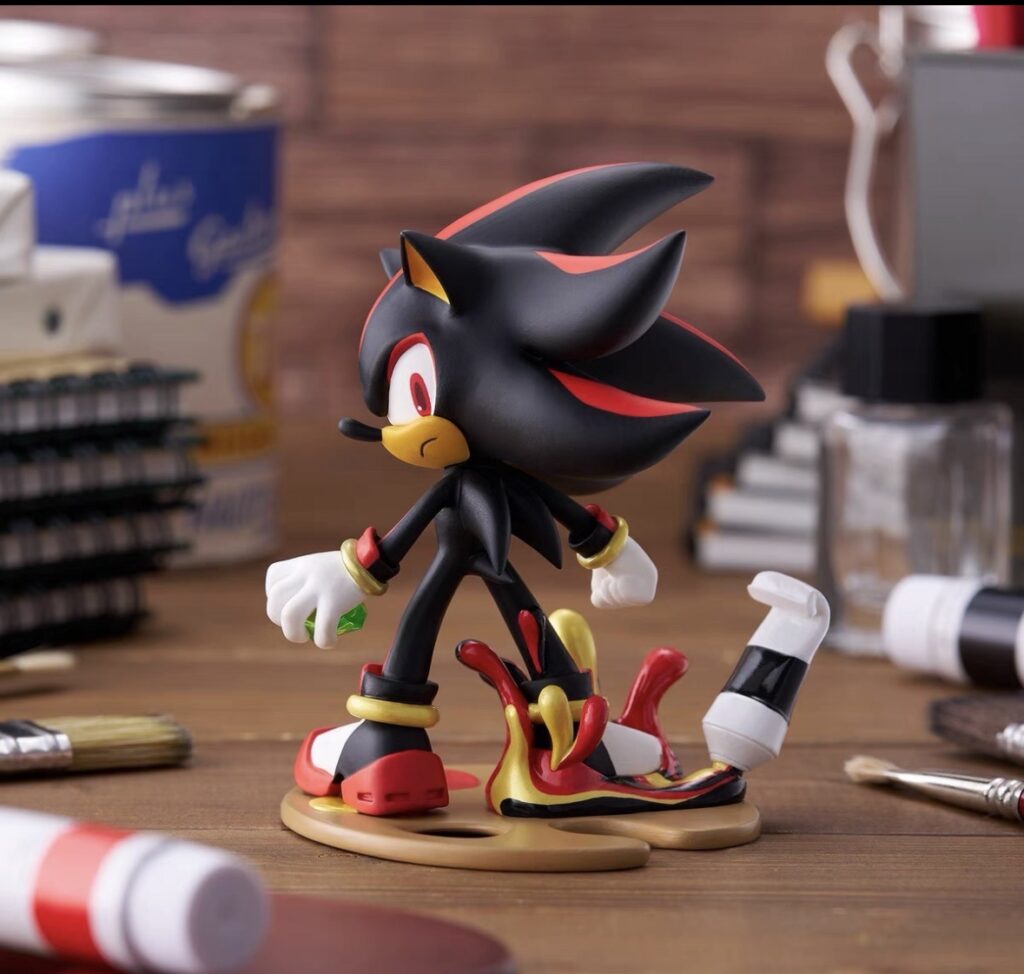

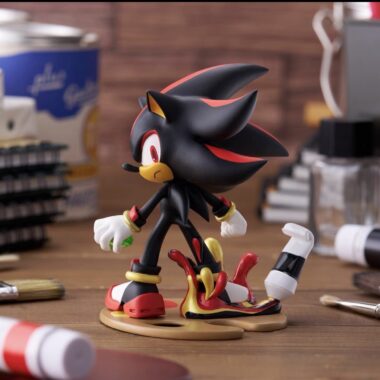
Metal Sonic Figure Custom sculpture Gaming Sonic the Hedgehog Shadow standing pose with Chaos Emerald
This Metal Sonic Figure features a dynamic standing pose where the character looks over its shoulder while holding a glowing green Chaos Emerald. One foot…
View Product →The acquisition of a “Metal Sonic Figure Custom sculpture Gaming Sonic the Hedgehog Shadow standing pose with Chaos Emerald” presents a purchasing scenario significantly more intricate than that of a mass-produced, officially licensed collectible. First-time buyers often overlook several critical nuances that differentiate custom artistic creations from factory-made items. Primarily, the term “custom sculpture” immediately signals that this is an artisan-crafted piece, not subject to the standardized quality control or brand guarantees associated with official merchandise. This introduces a wide variability in artistic execution, material quality, and overall finish, directly correlating to the individual sculptor’s skill and resources.
Furthermore, the absence of official licensing for a custom creation means there are no inherent benchmarks for authenticity or adherence to established character models, leaving interpretation entirely to the artist. This impacts not only the aesthetic accuracy but also potential long-term value, as unofficial items rarely appreciate in the same manner as limited edition, licensed collectibles. Material choices, often vaguely described for custom pieces, play a crucial role in the sculpture’s durability, appearance, and longevity, yet specific details are frequently omitted. Finally, the “Chaos Emerald” component, if separate or integrated, warrants its own material and quality assessment, as its execution can significantly elevate or detract from the overall presentation. Understanding these hidden variables is paramount to forming realistic expectations and making a truly informed investment.
The Critical Evaluation Framework
Performance Specifications That Actually Matter
For a static custom sculpture, the concept of “performance specifications” translates directly into the observable qualities of its artistic execution and physical attributes. The primary “specification” is sculptural accuracy and artistic interpretation. This involves assessing how faithfully the artist has captured Metal Sonic’s iconic design elements, such as its distinct metallic plating, jet boosters, and menacing visage, while simultaneously delivering the “dynamic and contemplative standing pose, looking over its left shoulder with a focused and slightly stern expression.” The execution of the “large, expressive red eyes” and the “small frown” should convey the intended emotion convincingly. Are the proportions of the character consistent and aesthetically pleasing, or do they appear distorted? Even within a stylized representation, good anatomical and mechanical proportionality is fundamental.
Pose dynamics are also crucial. Does the described pose genuinely convey dynamism and contemplation, or does it appear stiff or unbalanced? A successful pose imbues the figure with a sense of potential energy and character. Beyond overall form, surface detail and texture are paramount. High-quality custom sculptures exhibit crisp, defined lines for panel gaps, vents, and other mechanical intricacies, rather than soft or muddy details. The texture should convincingly mimic metal, with appropriate sheen or matte finishes where intended. Finally, paint application and finish constitute a significant “performance” aspect. This includes the uniformity of color, the absence of visible brush strokes, overspray, or dust inclusions. The vibrancy of the red eyes and the metallic luster of the body should be applied with precision, contributing to the overall visual impact and perceived quality. The integration and quality of the base or stand, ensuring stability and aesthetic harmony, also falls under this critical evaluation.
Build Quality and Material Science Considerations
The build quality of a custom sculpture is intrinsically linked to the materials chosen and the craftsmanship applied during assembly. The most common materials for custom figures are various types of resin (e.g., polyurethane, epoxy) or 3D printed plastics (e.g., PLA, ABS). Each has distinct properties: resin typically offers excellent detail retention and a substantial feel, but can be brittle. Different resins vary in density, cure time, and resistance to yellowing. 3D printed figures, while allowing for complex geometries, may exhibit visible layer lines if not meticulously post-processed (sanded, filled, primed). Understanding the primary material is crucial for assessing durability, weight, and potential for future degradation.
Construction integrity refers to how individual components are joined. Visible seam lines, gaps, or excessive adhesive are indicators of lower build quality. A well-constructed sculpture will feel solid and stable, with components seamlessly integrated. The weight and stability of the figure are often good indicators of material density and internal structure; a flimsy or easily toppled figure suggests compromises in design or material. Furthermore, the durability against minor impacts or environmental stresses is a key consideration. Does the paint chip easily? Is the material prone to warping under moderate temperature fluctuations?
The quality of the “Chaos Emerald” component also warrants specific material consideration. Is it a simple painted plastic bead, a translucent cast resin piece, or a more premium material like polished acrylic or even glass? Its material choice significantly impacts its visual appeal and perceived value. Finally, finish quality encompasses the absence of manufacturing defects such as air bubbles, mold lines, dust trapped in paint, or fingerprints. A professional clear coat, if applied, not only enhances the finish but also provides a protective layer against wear and UV degradation, contributing to the sculpture’s longevity.
Ecosystem Compatibility and Long-Term Software Support
For a custom static sculpture, the concepts of “ecosystem compatibility” and “long-term software support” must be reinterpreted to align with the nature of a physical art piece. Ecosystem compatibility primarily refers to how the sculpture integrates into a collector’s existing display environment or collection. Given its custom nature, it is unlikely to be part of an official series with standardized scales or aesthetic designs. Therefore, compatibility hinges on its independent visual appeal and whether its size and style complement other items in a personal collection. Does it scale appropriately with other figures if displayed together, or is it intended as a standalone centerpiece? Its unique, custom aesthetic might either harmonize with eclectic collections or stand out as a distinctive focal point.
Long-term software support is, of course, irrelevant for a non-digital sculpture. This section is better understood as Longevity and Maintenance Considerations. The materials chosen by the artist directly impact the sculpture’s long-term stability and appearance. Buyers should consider the potential for material degradation over time. For instance, certain resins can yellow or become brittle when exposed to UV light, and some paints may fade. Understanding the material composition allows for informed decisions regarding display conditions to mitigate these effects.
Repairability is another key aspect. In the event of minor damage, is the material conducive to repair by a knowledgeable individual or a professional? This is particularly relevant for custom pieces where replacement parts are non-existent. Cleaning protocols are also important; some finishes might be sensitive to certain cleaning agents, requiring only gentle dusting. Finally, value retention for custom, unofficial sculptures is highly speculative. Unlike officially licensed collectibles, their long-term monetary value is not guaranteed and largely depends on the artist’s reputation, the unique artistic merit of the piece, and market demand for niche fan art, rather than brand recognition or scarcity. Proper care and display are crucial for preserving the aesthetic and potential intrinsic value of the piece.
Dissecting the Budget Tiers
Categorizing custom sculptures into budget tiers requires a nuanced understanding, as there are no standardized product lines. Instead, these tiers reflect a spectrum of artistic skill, material quality, and overall finish, often correlating with the artist’s experience and reputation.
Entry-Level: What You Sacrifice and What You Gain
Entry-level custom Metal Sonic sculptures typically occupy the lower end of the price spectrum due to inherent compromises in craftsmanship and materials. Buyers should anticipate visible imperfections, such as less refined details, slight inaccuracies in character proportion, or noticeable seam lines where components are joined. Paint application might exhibit minor inconsistencies, like visible brush strokes, slight overspray, or less vibrant color accuracy compared to the source material. Materials often consist of basic, less dense resins or 3D printed plastics with minimal post-processing, potentially leaving layer lines discernible. The posing, while attempting the “dynamic and contemplative” stance, might lack the fluidity or balance of more expensive pieces. The “Chaos Emerald” might be a simple, opaque painted bead rather than a translucent, well-cast element.
What buyers gain at this tier is primarily accessibility and a physical representation of the character at a lower financial outlay. It provides an opportunity to support emerging artists and acquire a unique, if imperfect, piece of fan art. This tier is suitable for casual fans who prioritize having a Metal Sonic sculpture over museum-grade quality, or for those exploring custom art without a significant initial investment. Expectations for long-term value appreciation should be minimal, as the primary value lies in personal enjoyment.
Mid-Range: The Engineering Sweet Spot Explained
The mid-range tier for custom Metal Sonic sculptures represents what can be considered the “engineering sweet spot” – a judicious balance between artistic excellence, material quality, and a justifiable price point. At this level, buyers can expect a significant improvement in overall refinement. Details will be much crisper, with panel lines, vents, and facial features (the stern expression, frown, and expressive red eyes) rendered with precision. Proportions will be more accurate and aesthetically pleasing, and the “dynamic and contemplative standing pose” will be executed with greater fluidity and balance, conveying the intended character and emotion effectively.
Material choices will typically involve higher-quality resins that allow for finer detail retention and offer greater durability, or meticulously post-processed 3D prints where layer lines are virtually eliminated. Paint applications will be consistently smooth, uniform, and vibrant, with minimal or no visible flaws. The “Chaos Emerald” will likely be a well-cast, translucent resin or acrylic piece, enhancing its visual realism. Artists operating in this tier generally have a proven track record, demonstrating consistent quality across their portfolio. The value proposition here is strong: buyers receive a high-quality, aesthetically pleasing, and durable custom piece that captures the essence of Metal Sonic without the premium cost associated with top-tier, renowned artists. This tier is often the most satisfying for serious collectors seeking excellent craftsmanship and artistic merit.
Premium: When the Price Premium Is Justified by Data
The premium tier of custom Metal Sonic sculptures is characterized by exceptional artistry, unparalleled material quality, and meticulous attention to every minute detail, justifying a significantly higher price point. The “data” supporting this premium is multifaceted: it includes the artist’s established reputation, an extensive portfolio showcasing consistently flawless work, transparency regarding high-grade materials, and often, a unique artistic vision that elevates the piece beyond mere replication.
Buyers in this tier can expect museum-quality craftsmanship. This includes absolute fidelity to detail, with intricate mechanical elements rendered with astonishing precision. Paint applications will be masterfully executed, often utilizing complex airbrushing techniques, multi-layered shading, and hand-painted details that bring the figure to life, such as nuanced reflections in the “expressive red eyes.” Materials will be top-tier, potentially incorporating high-density, durable resins, specialized paints with superior longevity, and even genuine metal components for added realism and weight. The “Chaos Emerald” might be crafted from cut and polished glass or a jewel-grade transparent resin, adding significant perceived value. The “dynamic and contemplative standing pose” will be perfected, conveying profound character depth and flawless balance.
The price premium is justified by the investment in fine art, the acquisition of a truly unique and often limited-edition collectible from a celebrated artisan, and the superior aesthetic and tactile experience. These pieces often serve as centerpieces in high-end collections, offering potential for value appreciation if the artist’s renown continues to grow. For discerning collectors who prioritize artistic excellence, material integrity, and a unique statement piece, the premium tier offers an unparalleled level of quality and satisfaction.
Common Buyer Mistakes — and How to Avoid Them
Metal Sonic Figure Custom sculpture Gaming Sonic the Hedgehog Shadow standing pose with Chaos Emerald
This Metal Sonic Figure features a dynamic standing pose where the character looks over its shoulder while holding a glowing green Chaos Emerald. One foot…
View Product →Specification Traps That Look Good on Paper
When evaluating a custom sculpture, “specifications” are often communicated through visual descriptions and material claims, which can inadvertently mislead buyers. A common trap is relying solely on high-resolution promotional photos. While visually impressive, these images can be meticulously staged, expertly lit, or digitally enhanced to conceal minor flaws such as subtle paint imperfections, visible seam lines, or less-than-perfect surface textures. To avoid this, always request unedited, high-definition photos taken from multiple angles, including close-ups of critical areas like the face, hands (the clenched one, specifically), and the base. Ask for photos under natural, diffused lighting conditions to reveal true colors and textures.
Another trap involves vague material descriptions. Claims such as “high-quality resin” or “premium paints” lack specificity and provide little actionable information. “High-quality” is subjective and can mean different things to different artisans. Buyers should proactively inquire about specific material types (e.g., “What type of polyurethane resin?”), paint brands, or, if 3D printed, the filament type and post-processing steps. Without this detail, it is difficult to assess durability, longevity, or potential for degradation. Furthermore, scale and size misconceptions are frequent. Photos can make a small figure appear larger or vice-versa due to perspective. Always confirm the exact dimensions (height, width, depth) in quantifiable units before committing. Finally, the term “hand-painted” can be a double-edged sword; while it implies personal touch, it can also signify inconsistencies or visible brush strokes if the artist lacks professional-level skill. Scrutinize paintwork closely for uniformity and precision.
Marketing Language vs Measurable Performance Differences
The language used in product descriptions for custom sculptures often employs evocative marketing terms that require critical interpretation to discern actual “measurable performance differences.” Phrases like “dynamic pose,” “expressive eyes,” “meticulous detail,” and “stunning finish” are subjective descriptors that convey a feeling rather than an objective quality. A buyer’s “measurable performance” in this context is their ability to visually verify these claims against concrete evidence.
For instance, “dynamic pose” should translate into a sculpture that genuinely conveys movement, balance, and energy, not just a static figure with a slight lean. “Expressive red eyes” should exhibit clean edges, vibrant color, and a discernible direction of gaze, not simply painted circles. “Meticulous detail” implies crisp, well-defined mechanical parts, sharp lines, and intricate textures, free from blurriness or muddiness. The “Chaos Emerald” being described as “shimmering” or “radiant” means little without visual evidence of its material quality – is it truly translucent, well-faceted, and free of internal bubbles, or is it merely painted with a metallic sheen?
The term “custom” itself, while implying uniqueness, also signifies a lack of standardized manufacturing and quality control. This means that variations between pieces, even from the same artist, can occur. Buyers must train their eye to look beyond the poetic language and focus on tangible attributes: the precision of sculpting, the uniformity and neatness of paint application, the absence of visible defects, and the structural integrity. Comparing these observable qualities across different artists’ portfolios or even different pieces by the same artist is crucial for developing a discerning eye and avoiding purchases based solely on persuasive but unsubstantiated claims.
The Decision Framework: Matching Product to Buyer Profile
Making an informed decision about a custom Metal Sonic sculpture requires a structured approach, aligning the product’s attributes with your personal expectations and collector profile.
Questions to Clarify Before Committing
Before finalizing a purchase, a series of critical questions must be addressed to mitigate risk and ensure satisfaction. Firstly, request to see the artist’s full portfolio or additional examples of their work. This provides a comprehensive understanding of their consistent quality and style. Secondly, demand a detailed material breakdown: specifically, the type of resin (e.g., polyurethane, epoxy, specific grade), the brand and type of paints used, and the material of any ancillary components like the “Chaos Emerald.” This transparency is crucial for assessing durability and longevity.
Thirdly, confirm the exact dimensions (height, width, depth) and approximate weight of the finished sculpture. Photos can be deceptive, and precise measurements are necessary for display planning. Fourthly, inquire about the production process: Is it traditionally sculpted, 3D printed, molded, or a combination? This sheds light on potential variations and inherent characteristics (e.g., layer lines in 3D prints). Fifthly, clarify the shipping and packaging procedures, including the type of protective materials used and whether shipping insurance is included, especially given the custom and potentially fragile nature of the item. Sixthly, understand the return, refund, or damage resolution policy; custom art often has stricter terms than mass-produced goods. Finally, reiterate the request for unedited, high-resolution photos from all angles, including close-ups of intricate details, to ensure the specific piece meets your aesthetic standards.
Red Flags to Watch for in Product Listings
Several indicators in a product listing for a custom sculpture should raise immediate caution and prompt further investigation. A significant red flag is the presence of only one or two low-quality, poorly lit, or heavily edited photographs. This often suggests an attempt to obscure imperfections or a lack of transparency from the seller. Similarly, generic, vague, or overly enthusiastic descriptions that lack specific details about materials, dimensions, or the artistic process should be viewed with skepticism. A professional artist will typically provide comprehensive information.
Another warning sign is a complete absence of information about the artist or their previous body of work. Reputable custom sculptors usually have an online presence (portfolio, social media) showcasing their skills and consistency. Unrealistic pricing, whether excessively low for claimed quality or disproportionately high without clear justification through artist reputation or material transparency, warrants scrutiny. A price that seems “too good to be true” often is. Furthermore, a lack of a clear return, refund, or dispute resolution policy is a major risk factor, particularly for bespoke items that may not arrive as expected. Finally, be wary of “stock photos” or concept art being used to represent a unique, custom-made item, as the actual product may differ significantly from the idealized representation.
Final Checklist Before Purchase
Before finalizing the acquisition of your custom Metal Sonic sculpture, a methodical review of the following checklist will ensure you are making a fully informed and confident decision.
- Confirm All Details: Verify the exact dimensions, specified materials (e.g., resin type, paint brands), and any unique features of the sculpture. Ensure the “Chaos Emerald” detail aligns with your expectations regarding its material and integration.
- Review Photos Thoroughly: Scrutinize all provided unedited, high-resolution photos from multiple angles, including close-ups. Confirm that the visible details, paint application, pose execution, and overall finish meet your personal standards of quality. Pay particular attention to the “stern expression,” “frown,” and “expressive red eyes” for clarity and precision.
- Understand Policies: Fully comprehend the seller’s policies regarding shipping (costs, protection, insurance), expected delivery times, and, crucially, their return, refund, or damage compensation procedures in case of issues.
- Set Realistic Expectations: Acknowledge that this is a custom, unofficial piece of art. Its value is primarily artistic, personal, and decorative, rather than an investment in a mass-produced, officially licensed collectible. Embrace the unique interpretation rather than expecting a factory-perfect replica.
- Budget Alignment: Ensure the price aligns with the perceived quality, the artist’s reputation, and your personal value assessment for the item. Avoid overpaying for claims that cannot be visually substantiated.
- Display Plan: Consider where the sculpture will be displayed. Is its size, material, and aesthetic suitable for that environment? Are there any specific care requirements (e.g., avoiding direct sunlight, stable temperature) that need to be met to ensure its longevity?
By diligently addressing each point on this checklist, you can approach your purchase with confidence, ensuring that the custom Metal Sonic sculpture you acquire will be a cherished addition to your collection.