Why This Purchase Decision Is More Complex Than It Appears

Luffy Figure Custom Figurine One Piece Dynamic Gear 5 Punch
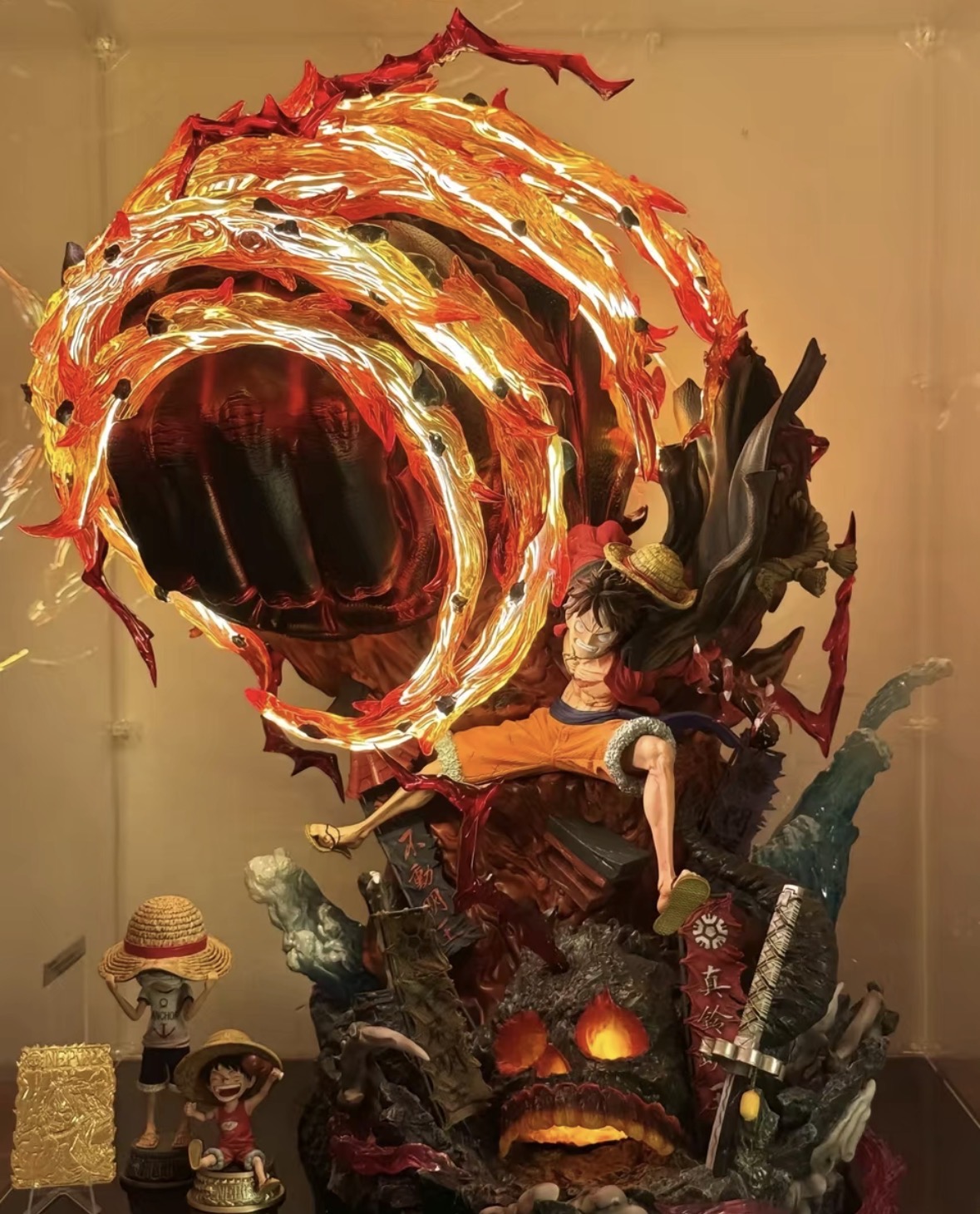
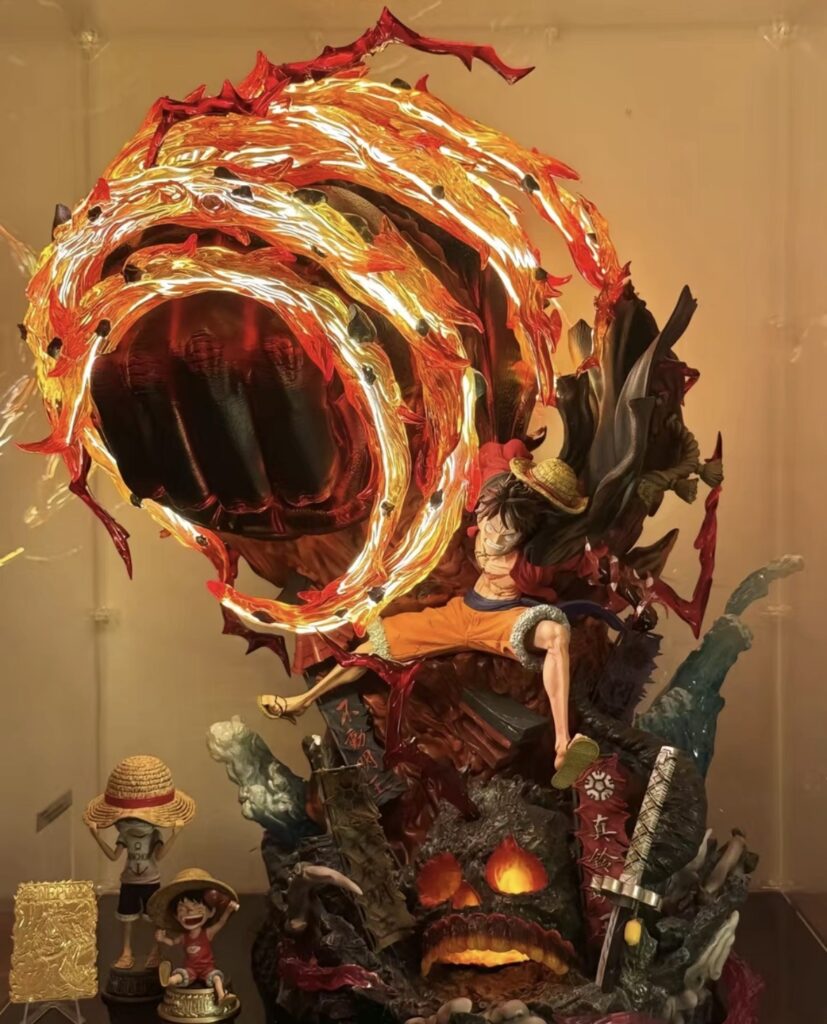
Luffy is captured in an exhilarating, mid-air action pose, poised to unleash a powerful punch with a massive, swirling fiery aura emanating from his right…
View Product →At first glance, purchasing a “Luffy Figure Custom Figurine One Piece Dynamic Gear 5 Punch” might seem straightforward: you want a collectible of your favorite character in a specific iconic pose. However, for the discerning collector or even the casual fan considering a significant purchase, the decision involves more than just aesthetic appeal. The term “custom figurine” itself introduces a layer of variability. Unlike mass-produced items with established quality control, custom pieces often come from individual artists or smaller studios, meaning production methods, material consistency, and even artistic interpretation can differ significantly. Factors such as the artist’s skill level, the quality of the base materials used, the precision of the paint application, and the durability of the final product are all variables that require careful consideration. Furthermore, the “dynamic Gear 5 Punch” pose, while visually striking, can present engineering challenges in terms of balance and structural integrity, especially in custom creations where the focus might be on artistic expression over practical design. Understanding these underlying complexities is crucial for making an informed decision and avoiding potential disappointment.
The Critical Evaluation Framework
Performance Specifications That Actually Matter
When evaluating any collectible, especially one intended to represent a dynamic action, “performance specifications” translate to aspects of its physical integrity and artistic execution. For the “Luffy Figure Custom Figurine One Piece Dynamic Gear 5 Punch,” the key performance indicators revolve around its structural stability and the fidelity of its artistic representation. A primary concern is the figure’s ability to maintain its intended dynamic pose without succumbing to gravity or material fatigue. This involves assessing the strength and balance of the pose itself, particularly the cantilevered elements like the extended arm and the coiled leg. The materials used will directly impact this; a resin figure, for instance, might offer excellent detail but could be brittle if not properly engineered. The articulation, if any is present (though this specific description suggests a static pose), would also fall under performance, but for a fixed action pose, it’s more about the immobility and resilience of that pose. Beyond structural performance, the “performance” of the artistic execution is paramount. This includes the precision of the sculpt, capturing the nuances of Gear 5 Luffy’s design, the quality and application of paint for vibrant colors and subtle shading, and the overall finish, which can range from matte to glossy depending on the intended aesthetic.
Build Quality and Material Science Considerations
The longevity and visual appeal of any collectible figure are intrinsically linked to its build quality and the materials from which it is constructed. For a custom figurine like the “Luffy Figure Custom Figurine One Piece Dynamic Gear 5 Punch,” understanding material science is crucial. Many custom figures are produced using resins, such as polystone or polyurethane resin. Polystone, a composite of polyurethane or epoxy resin and stone dust, offers a good balance of detail reproduction and durability, though it can be susceptible to cracking if dropped. Polyurethane resin is generally lighter and more flexible but may not hold intricate details as sharply. The manufacturing process also plays a significant role. Hand-sculpted and cast pieces, common in custom work, can vary in quality depending on the artist’s skill and the casting techniques employed. Issues like air bubbles, seam lines, and uneven surfaces can arise if the casting process is not meticulous. Furthermore, the choice of paints and sealants impacts the figure’s resistance to fading, chipping, and environmental damage. High-quality acrylic paints, often used by professional customizers, offer vibrant colors and good adhesion. A protective clear coat, whether matte or gloss, is essential for preserving the paintwork and the overall integrity of the figure from dust and minor abrasions. When considering a custom piece, inquiring about the specific materials used and the finishing process can provide significant insight into its potential durability and aesthetic longevity.
Ecosystem Compatibility and Long-Term Software Support
While the concept of “ecosystem compatibility” and “software support” might seem incongruous for a static collectible figure, it’s worth considering in a broader sense of the collector’s hobby. For a physical collectible, this translates to its place within your existing collection and its potential for display alongside other items. Does the scale of this Luffy figure match other One Piece figures you own? Does its aesthetic style complement or clash with other collectibles in your display? Beyond the immediate visual integration, “long-term support” for a custom figure can be interpreted as the availability of the artist or studio for potential repairs or future commissions. If the figure sustains damage, is there a recourse? Some custom artists offer repair services, while others operate on a one-off basis. Understanding the artist’s availability and their willingness to engage with past clients for support, even if informal, can be a valuable consideration for ensuring the long-term enjoyment of your investment. This is particularly relevant for unique, custom pieces where replacement parts or professional repair services might not be readily available through conventional channels.
Dissecting the Budget Tiers
Entry-Level: What You Sacrifice and What You Gain
Entry-level custom figurines, often found at lower price points, represent a compromise between affordability and artistic execution. What you sacrifice is typically in the finer details of sculpting and painting, and potentially in the robustness of the materials. The sculpt might be less intricate, lacking the subtle textures and sharp edges that define high-end collectibles. Paint application can be more rudimentary, with less layering, shading, and detailing, leading to a flatter or less vibrant appearance. The materials used might be less premium, potentially leading to a lighter feel or a greater susceptibility to damage. Seam lines from the casting process might be more visible, and there could be minor imperfections in the finish. However, what you gain is accessibility. These figures allow fans to acquire a representation of their favorite character in a dynamic pose without a significant financial outlay. They can serve as an excellent introduction to the world of custom collectibles, offering a tangible piece of art that captures the essence of the character, even if it doesn’t possess the meticulous craftsmanship of higher-tier options.
Mid-Range: The Engineering Sweet Spot Explained
Mid-range custom figurines often strike a balance between cost and quality, representing a sweet spot for many collectors. In this tier, you can expect a noticeable improvement in both the sculpting and painting compared to entry-level options. The sculpt will likely be more detailed, capturing more of the character’s musculature, facial expressions, and costume intricacies. The paintwork will show more depth, with better shading, highlights, and color blending, bringing the figure to life. Materials used are generally of good quality, such as durable resins like polystone, offering a satisfying weight and a good surface for detailed painting. The engineering of the pose is also more likely to be sound, with careful consideration given to balance and structural integrity to ensure the dynamic stance is stable. Seam lines are typically minimized, and the overall finish is more refined, with fewer visible imperfections. For collectors seeking a significant visual impact and good build quality without venturing into the ultra-premium market, mid-range custom figurines often offer the most value, providing a well-crafted and aesthetically pleasing representation of the “Luffy Figure Custom Figurine One Piece Dynamic Gear 5 Punch.”
Premium: When the Price Premium Is Justified by Data
Premium custom figurines are characterized by exceptional artistry, meticulous craftsmanship, and often the use of the highest quality materials. The price premium is justified by demonstrable improvements across multiple facets. The sculpting will be exceptionally detailed, potentially featuring intricate textures, subtle anatomical nuances, and a level of fidelity that rivals professional studio work. The paint application will be of museum quality, employing advanced techniques like airbrushing, layering, and custom washes to achieve hyper-realistic or vibrantly stylized finishes that truly capture the character’s essence. Materials will be top-tier, such as high-grade resins, and the casting process will be flawless, resulting in a smooth, seamless finish with virtually no visible imperfections. Furthermore, the engineering of complex poses like the “Dynamic Gear 5 Punch” will be a primary focus, ensuring not only visual dynamism but also robust structural integrity and long-term stability. This tier often includes features like custom bases, interchangeable parts (though less common for a single dynamic pose), and meticulous attention to packaging. For serious collectors who prioritize unparalleled detail, flawless execution, and a lasting investment piece, the premium price point of these figures is often validated by the tangible quality and artistic merit they deliver.
Common Buyer Mistakes — and How to Avoid Them
Luffy Figure Custom Figurine One Piece Dynamic Gear 5 Punch
Luffy is captured in an exhilarating, mid-air action pose, poised to unleash a powerful punch with a massive, swirling fiery aura emanating from his right…
View Product →Specification Traps That Look Good on Paper
A common pitfall for buyers of custom figurines is falling for “specification traps” that appear impressive but lack substance. For the “Luffy Figure Custom Figurine One Piece Dynamic Gear 5 Punch,” this might involve marketing descriptions that emphasize “hand-painted” without specifying the quality of the paint or the technique used, or “high-detail sculpt” without providing clear visual evidence of that detail. Phrases like “limited edition” can also be misleading if the actual production run is not clearly defined or if the “limited” nature is primarily a marketing tactic rather than a reflection of genuine scarcity. Another trap is focusing solely on the overall height of the figure without considering its proportion or the density of the material. A larger figure made of hollow plastic might be less substantial and less impressive than a smaller, solid resin piece. To avoid these traps, buyers should prioritize visual evidence: high-resolution photographs from multiple angles, ideally showing the figure in natural light, and videos that allow for a closer inspection of the sculpt and paintwork. Detailed descriptions of materials and manufacturing processes are more valuable than vague superlatives.
Marketing Language vs Measurable Performance Differences
The marketing language surrounding custom collectibles can be highly persuasive, often employing evocative terms that appeal to emotion rather than logic. For instance, descriptions might use words like “masterpiece,” “breathtaking,” or “unrivaled” without providing concrete metrics to back up these claims. In contrast, measurable performance differences, crucial for an objective evaluation, are often downplayed or absent. For the “Luffy Figure Custom Figurine One Piece Dynamic Gear 5 Punch,” instead of vague praise, look for tangible indicators of quality. These include the precision of the sculpt’s edges and textures, the evenness and vibrancy of the paint application (e.g., the absence of brush strokes or paint bleed), the stability of the pose without visible support structures that detract from the aesthetic, and the quality of the materials, which can often be inferred from the figure’s weight and texture in detailed photos. When marketing language fails to align with observable quality, it’s a strong indicator that the claims are subjective and potentially inflated. Always cross-reference marketing claims with visual evidence and, if possible, independent reviews or testimonials from other buyers.
The Decision Framework: Matching Product to Buyer Profile
Questions to Clarify Before Committing
Before committing to the purchase of a “Luffy Figure Custom Figurine One Piece Dynamic Gear 5 Punch,” a series of clarifying questions should be addressed to ensure the product aligns with your expectations and needs. Firstly, understand the artist’s or studio’s reputation. Are there reviews or testimonials available? What is their track record for quality and customer satisfaction? Secondly, scrutinize the materials and manufacturing process. What type of resin is used? Is it hand-cast or produced with advanced molding techniques? How is it painted, and what type of protective coating is applied? Thirdly, assess the structural integrity of the pose. Given the dynamic nature of Gear 5 Luffy’s punch, how has the artist ensured stability? Are there any visible support structures that might detract from the aesthetic? Fourthly, inquire about the scale and dimensions of the figure. Does it fit within your existing collection’s scale? Finally, understand the return and refund policy, especially for custom-made items, as these often differ from mass-produced goods. Clarity on these points will significantly mitigate potential disappointment.
Red Flags to Watch for in Product Listings
When evaluating listings for custom figurines, several red flags should signal caution. Vague or overly generic product descriptions are a primary concern. If the listing lacks specific details about materials, sculpt quality, or paint application techniques, it may indicate a lack of transparency or a desire to obscure potential shortcomings. Poor quality or limited product photography is another significant red flag. Listings that only feature a single, low-resolution image, or images that appear to be stock photos rather than actual representations of the product, make it impossible to assess the craftsmanship. An absence of information regarding the artist or studio’s credentials, past work, or customer reviews is also concerning; reputable customizers are usually proud to showcase their portfolio and receive feedback. Furthermore, unrealistically low prices for what is described as a highly detailed custom piece can be a sign of poor quality or even a scam. Be wary of listings that promise perfection without any evidence or guarantee. Finally, a lack of clear information about shipping, handling, and return policies, especially for international purchases, can lead to unexpected costs or difficulties if issues arise.
Final Checklist Before Purchase
Before finalizing the purchase of your “Luffy Figure Custom Figurine One Piece Dynamic Gear 5 Punch,” conduct a final review using this checklist to ensure you are making a well-informed decision:
- Visual Verification: Have you examined high-resolution images and, if available, videos of the actual product (not just concept art or generic examples) from multiple angles? Do the sculpt’s details, paint application, and overall finish meet your expectations?
- Material and Construction Clarity: Is there a clear description of the materials used (e.g., type of resin) and the manufacturing process? Do these align with your understanding of quality for custom figures?
- Structural Integrity Assessment: Based on the pose and available images, does the figure appear to be stably constructed? Are there any visible support structures that would be aesthetically displeasing?
- Artist/Studio Reputation: Have you researched the artist or studio? Are there independent reviews, testimonials, or a portfolio of past work that demonstrates consistent quality?
- Scale and Dimensions: Does the figure’s stated size and scale fit appropriately with your existing collection or display space?
- Price Justification: Does the price reflect the described quality, materials, and artistic detail? Is it within a reasonable range for comparable custom pieces?
- Shipping and Handling: Is the shipping cost reasonable, and is there clear information about packaging to ensure safe transit?
- Return and Refund Policy: Is there a clear, accessible policy for returns, exchanges, or refunds in case of damage or significant misrepresentation?
- Communication: Have you had satisfactory communication with the seller or artist regarding any questions you may have had?
By systematically addressing each point on this checklist, you can significantly increase the likelihood of acquiring a “Luffy Figure Custom Figurine One Piece Dynamic Gear 5 Punch” that you will cherish for years to come.