Why This Purchase Decision Is More Complex Than It Appears
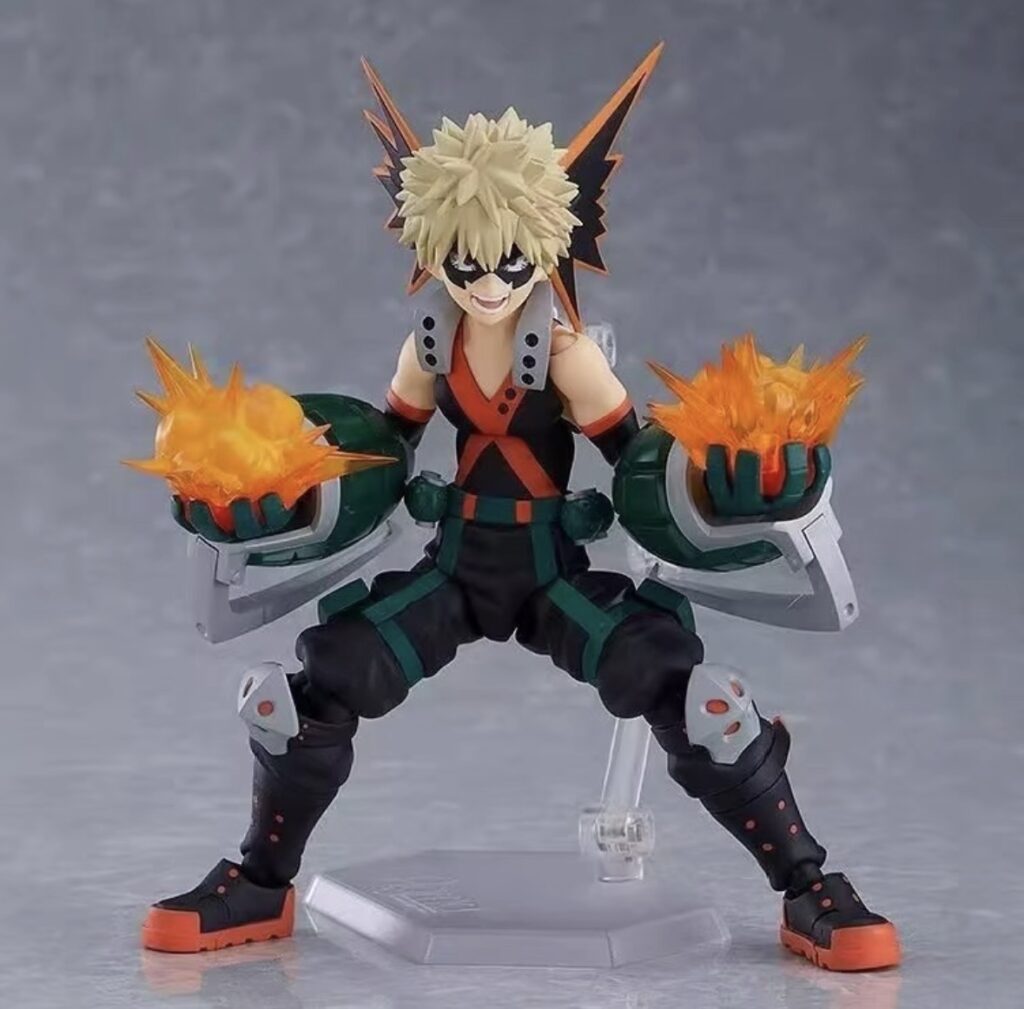
Bakugo Figure Custom Figurine My Hero Academia Dynamic Explosions
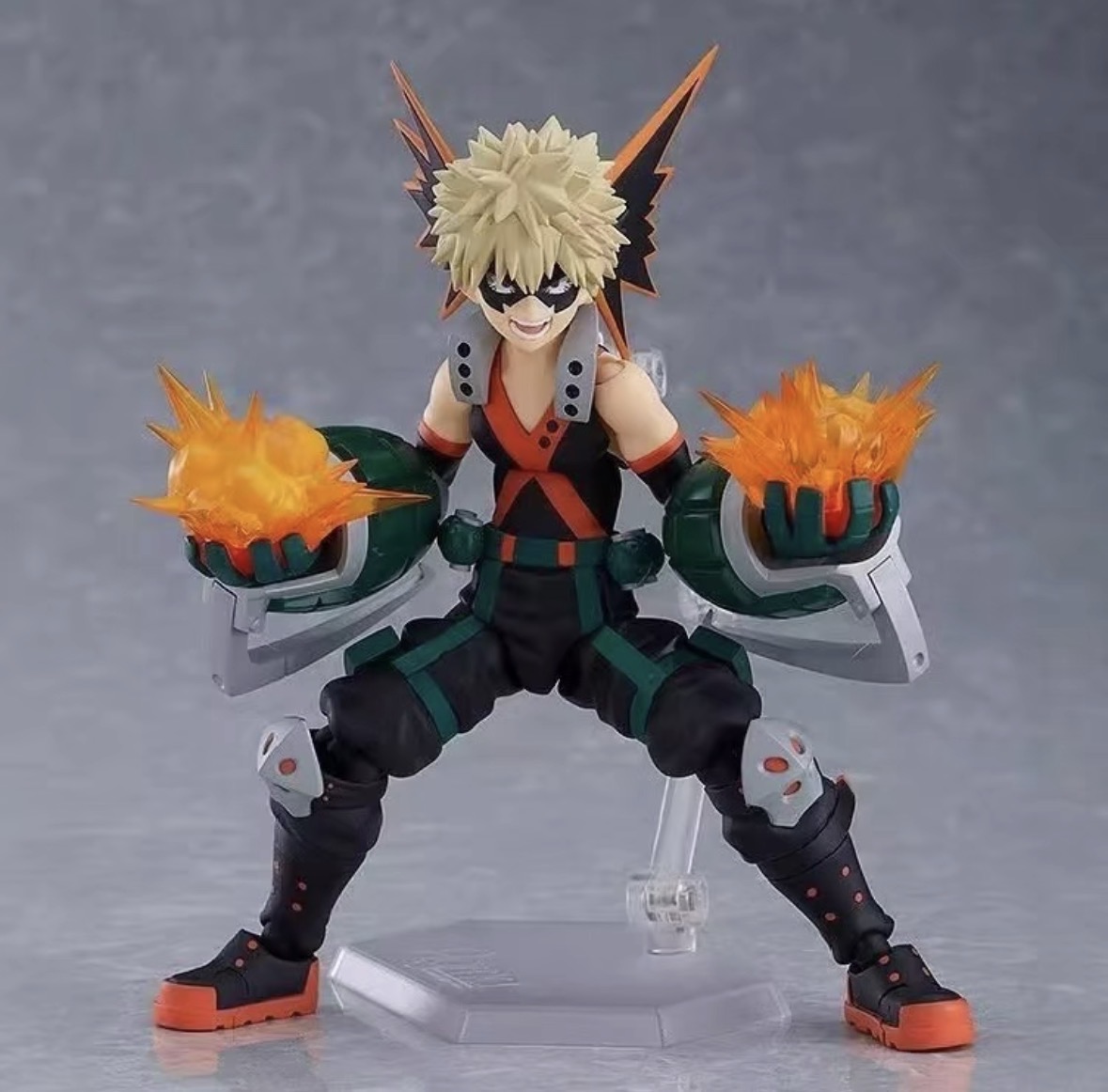
Katsuki Bakugo is frozen in a dynamic, wide-legged stance, leaning forward with bent knees. He's actively unleashing powerful orange and yellow explosions from his distinctive…
View Product →Acquiring a “Bakugo Figure Custom Figurine My Hero Academia Dynamic Explosions” is not merely a matter of selecting an aesthetically pleasing collectible; it involves navigating a complex landscape of hidden variables and nuanced considerations often overlooked by first-time buyers. Unlike mass-produced, standardized merchandise, custom figurines, especially those depicting such intricate and dynamic action, inherently carry a broader spectrum of quality, material consistency, and artistic interpretation. Buyers must contend with potential inconsistencies in scale, the true origin and craftsmanship behind the “custom” label, and the long-term durability of complex poses and delicate explosion effects. Furthermore, the perceived value can fluctuate wildly based on the artist’s reputation, the materials chosen, the fidelity to the source material, and the meticulousness of the paint application. Understanding these underlying complexities is crucial for making an informed investment rather than an impulsive acquisition based solely on visual appeal.
The Critical Evaluation Framework
Performance Specifications That Actually Matter
For a collectible figurine, “performance” translates directly to its aesthetic impact, structural integrity, and longevity. The most critical specification is the scale, typically expressed as a ratio (e.g., 1/6, 1/8, 1/10). This dictates the overall dimensions (height, width, depth) and consequently, the figure’s presence and compatibility with existing collections. A larger scale generally allows for finer detail resolution, particularly on intricate elements like Bakugo’s facial expression, costume textures, and the complex geometry of his grenade gauntlets. Weight can be an indicator of material density and overall solidity; a heavier figure often suggests the use of denser, higher-quality materials like polystone resin rather than lighter PVC.
Crucially for a “Dynamic Explosions” figure, the quality and realism of the explosion effects are paramount. This involves assessing how these effects are rendered: are they sculpted from translucent materials with gradient painting to simulate energy, or are they opaque and static? The detail resolution extends to the sharpness of the sculpt, the precision of panel lines, and the fidelity of the character’s unique costume elements. Finally, the stability of the base and the figure’s attachment to it is a non-negotiable performance aspect, ensuring the dynamic, leaned-forward pose remains secure over time without risk of tipping or structural fatigue.
Build Quality and Material Science Considerations
The inherent quality of a custom figurine is deeply rooted in its material composition and the precision of its construction. Common materials include PVC (Polyvinyl Chloride), known for its flexibility and durability, often used in mass-produced figures; ABS (Acrylonitrile Butadiene Styrene), a more rigid plastic suitable for structural components or sharp details; and Polystone (Resin), a heavier, more brittle material prized for its ability to capture exceptionally fine detail, commonly found in high-end custom pieces. A premium Bakugo figure will likely utilize a combination, with polystone for the main body and intricate details, and potentially translucent PVC or acrylic for the explosion effects.
The paint application is another critical differentiator. Hand-painted finishes, when executed skillfully, offer depth, shading, and weathering effects that factory-applied paints often cannot replicate. Look for clean lines, smooth gradients, and consistent color application without overspray or missed spots. For a dynamic figure, the structural integrity of the pose is vital. This involves examining how the leaned posture and outstretched arms are supported. Are there internal metal armatures? Are stress points reinforced? Visible seam lines, poor mold registration, or flimsy connections indicate subpar build quality that will compromise both aesthetics and longevity. The overall finish, including any protective clear coats, also contributes to durability and resistance against environmental degradation.
Ecosystem Compatibility and Long-Term Software Support
While the concept of “ecosystem compatibility” and “software support” traditionally applies to electronics, for a custom figurine, these terms translate into practical considerations regarding its integration into a collector’s environment and its long-term viability. Display environment compatibility means assessing if the figure’s dimensions and dynamic pose fit within typical display cases, shelves, or dioramas without requiring excessive clearance or appearing cramped. Its scale should ideally harmonize with other figures in your collection, creating a cohesive display rather than an incongruous one. The aesthetic style, whether it leans towards realistic sculpting or a more stylized anime interpretation, should also align with your existing collection.
Long-term “support” for a custom figure refers to its durability and the potential for maintenance or value retention. For true custom pieces, official replacement parts are virtually non-existent, making initial build quality paramount. However, a reputable custom artist or studio might offer repair services or guidance. The longevity of the materials, especially translucent parts and intricate paintwork, against UV exposure and environmental factors is a concern. Furthermore, a figure from a well-regarded artist or studio, or one that is part of a genuinely limited run, may retain or even appreciate in secondary market value, offering a form of long-term “return” on investment. Conversely, a figure from an unknown source with dubious material claims offers no such guarantee.
Dissecting the Budget Tiers
Entry-Level: What You Sacrifice and What You Gain
Entry-level Bakugo custom figurines typically occupy the lower end of the price spectrum, making them accessible to casual collectors or those new to the hobby. At this tier, buyers should anticipate certain sacrifices in material quality and artistic refinement. Figures are often predominantly made from PVC, which, while durable, may lack the sharp detail and heft of polystone. Paint applications are generally simpler, with less nuanced shading, fewer complex gradients for explosion effects, and potentially visible seam lines from the molding process. The “custom” aspect might refer more to unique poses or limited production runs rather than bespoke, hand-finished artistry. Explosion effects might be less dynamic, utilizing simpler sculpts and opaque plastics rather than translucent, layered effects.
What you gain, however, is an affordable representation of the character in a dynamic pose. These figures serve as an excellent starting point for a collection, allowing enthusiasts to own a piece without a significant financial outlay. They are generally more robust and less prone to breakage than highly detailed resin statues, making them suitable for handling or display in less protected environments. For those prioritizing character representation over hyper-realistic detail or premium materials, entry-level options provide a satisfactory visual impact without the accompanying premium price tag.
Mid-Range: The Engineering Sweet Spot Explained
The mid-range tier represents an optimal balance between cost and quality, often regarded as the “engineering sweet spot” for discerning collectors. Figures in this category typically feature a judicious mix of materials, such as a primary polystone body complemented by PVC or ABS for more delicate or structural components. This blend allows for superior detail resolution, a more substantial feel, and enhanced durability where needed. Paint application sees a significant upgrade, often incorporating more intricate shading, subtle weathering effects, and more convincing gradient transitions on the explosion effects, which may also utilize translucent elements for a more realistic appearance.
Studios operating in this tier often have established reputations for quality control and artistic integrity, ensuring a higher standard of craftsmanship. The dynamic pose of Bakugo will be more securely engineered, with a stable base and robust connections for the outstretched limbs and explosive effects. Buyers in this segment benefit from a noticeable leap in aesthetic quality and material sophistication compared to entry-level options, without incurring the prohibitive costs associated with ultra-premium, museum-grade pieces. This tier offers excellent value, providing a high-fidelity collectible that satisfies both visual expectations and long-term durability concerns for the majority of collectors.
Premium: When the Price Premium Is Justified by Data
Premium Bakugo custom figurines represent the pinnacle of collectible artistry and engineering, with their higher price points justified by tangible, observable data points. These figures are almost exclusively crafted from high-quality polystone resin, allowing for unparalleled detail fidelity in every aspect, from the intricate textures of Bakugo’s gauntlets to the subtle contours of his face and the complex, multi-layered realism of the explosion effects. The paint application is typically a masterclass in hand-finishing, featuring sophisticated gradients, intricate dry-brushing, meticulous weathering, and often incorporating translucent paints or even embedded LED lighting to simulate glowing energy within the explosions.
Premium pieces often come in larger scales (e.g., 1/4 or 1/6), offering a commanding presence and allowing for even finer detail work. They are frequently limited editions, sometimes individually numbered, enhancing their exclusivity and potential for future value appreciation. The engineering behind the dynamic pose is exceptionally robust, often incorporating internal metal armatures and precisely balanced designs to ensure long-term stability. The “data” justifying the premium price includes the superior material composition, the labor-intensive hand-craftsmanship, the fidelity to source material, the innovative use of lighting or mixed media, and the established reputation of the sculpting studio or artist. For collectors who prioritize absolute fidelity, artistic excellence, and a truly museum-quality display piece, the premium tier offers an investment whose value is demonstrably supported by its superior attributes.
Common Buyer Mistakes — and How to Avoid Them
Bakugo Figure Custom Figurine My Hero Academia Dynamic Explosions
Katsuki Bakugo is frozen in a dynamic, wide-legged stance, leaning forward with bent knees. He's actively unleashing powerful orange and yellow explosions from his distinctive…
View Product →Specification Traps That Look Good on Paper
Many product listings for custom figurines employ enticing specifications that, while technically true, can be misleading without proper context. For instance, a figure described as “large scale” might indeed be tall, but its actual detail resolution or material quality might be inferior, resulting in a bulky but unrefined piece. The term “hand-painted” can sound appealing, but without evidence of skilled artistry and rigorous quality control, it could simply mean a rushed, inconsistent application rather than a meticulously finished product. Similarly, “limited edition” can be a powerful marketing tool, but true scarcity is only achieved through clearly defined production numbers from a reputable source, not just an arbitrary claim.
To avoid these traps, buyers must look beyond the bullet points and seek verifiable evidence. Request high-resolution, unedited photographs from multiple angles, including close-ups of critical details like the face, hands, and explosion effects. Prioritize listings that include video reviews or unboxing videos from independent sources, as these provide a more accurate depiction of the final product. Always compare claimed specifications against the visual evidence and cross-reference with community discussions or collector forums to gauge the reliability of the claims. Focus on demonstrated quality and proven craftsmanship rather than relying solely on abstract descriptive terms.
Marketing Language vs Measurable Performance Differences
The language used in product descriptions is often designed to evoke emotion and desire, but it can obscure measurable performance differences. Phrases like “incredible detail” need to be substantiated by actual visible texture, sharp sculpt fidelity, and intricate paint applications that enhance, rather than merely cover, the underlying sculpt. A “dynamic pose” should translate into a figure that is not only visually impactful but also perfectly balanced and structurally sound, without any wobble or signs of stress on connection points. “Vibrant colors” should correspond to accurate color matching against the source material, with smooth, consistent transitions and proper shading that gives depth to the figure, rather than just bright, flat hues.
To accurately assess performance, buyers should cultivate a critical eye. Instead of accepting subjective marketing claims, look for objective indicators. Does the texture of Bakugo’s clothing appear realistic, or is it smooth and featureless? Are the explosion effects sculpted with distinct layers and translucent properties, or are they a solid, painted lump? Are there discernible gradients in the paintwork that mimic light and shadow, or is it a flat, single-tone application? By actively seeking visual proof and comparing it against objective benchmarks of quality (e.g., comparing to officially licensed, high-end statues or well-regarded custom pieces), consumers can effectively filter out marketing fluff and identify genuine, measurable performance advantages.
The Decision Framework: Matching Product to Buyer Profile
Questions to Clarify Before Committing
Before making a significant investment in a custom Bakugo figurine, a thorough self-assessment is crucial to align your expectations with the product’s reality.
1. What is my realistic budget range? This will immediately narrow down the available tiers and prevent overspending or dissatisfaction with an underperforming cheaper option.
2. What scale do I prefer, and what scale complements my existing collection? Inconsistency in scale can disrupt the aesthetic harmony of a display.
3. Where will this figure be displayed? Consider space constraints, lighting conditions, and potential environmental factors (e.g., direct sunlight, humidity) that could affect the figure’s longevity.
4. How important are material quality and intricate detail versus the overall price? Are you seeking a durable everyday display piece or a museum-grade showstopper?
5. Do I prioritize official licensing and brand recognition, or am I comfortable with unique custom artistry that may not be officially sanctioned? Custom pieces offer unique interpretations but lack official guarantees.
6. How important is future resale value or potential appreciation? This often correlates with limited edition runs, reputable artists, and premium materials.
7. What specific level of detail do I expect, especially for the “explosions” and Bakugo’s facial expression? These are critical elements for this particular figure.
Red Flags to Watch for in Product Listings
Vigilance is key when evaluating custom figurine listings, as several indicators can signal potential issues or misrepresentations.
* Lack of multiple, high-resolution photographs from various angles: This suggests the seller may be trying to hide flaws or provide an incomplete view.
* Reliance solely on stock photos or heavily edited promotional renders: Always insist on photos of the actual product being sold.
* Vague or incomplete material descriptions: A seller who is not transparent about the materials used (e.g., “high-quality plastic” instead of PVC/ABS/polystone) may be concealing cheaper alternatives.
* Unrealistic pricing: A price that seems too good to be true for the claimed quality, or conversely, an excessively high price without clear justification in materials or craftsmanship.
* Absence of clear return, refund, or warranty policies: Especially for custom pieces, understanding the seller’s recourse for defects is vital.
* No clear indication of the artist, studio, or origin of the “custom” work: This makes it difficult to verify reputation or quality.
* Discrepancies between different parts of the product description or between text and images: Inconsistencies are a sign of carelessness or deliberate obfuscation.
Final Checklist Before Purchase
Before finalizing your purchase, run through this comprehensive checklist to ensure all critical factors have been addressed:
* Seller Reputation Verified: Confirm the seller or artist has a solid track record through reviews, community feedback, and direct communication.
* Materials and Dimensions Understood: You have a clear understanding of what the figure is made of and its exact size, ensuring it meets your expectations and display needs.
* Visual Evidence Reviewed: You have seen actual, unedited photos and ideally, video reviews of the specific product, confirming its quality and appearance.
* Shipping Details Confirmed: You understand shipping costs, estimated delivery times, and whether the package will be insured, especially for delicate custom pieces.
* Return/Warranty Policy Understood: You are fully aware of the conditions for returns, exchanges, or repairs in case of damage or dissatisfaction.
* Budget Alignment: The purchase price fits comfortably within your allocated budget, considering any potential import duties or taxes.
* Display Space Confirmed: You have a designated, suitable space for the figure that can accommodate its dimensions and dynamic pose safely and effectively.
* Authenticity/Origin Confirmed (if applicable): For custom pieces, you are satisfied with the provenance of the artistry.
By meticulously working through this guide, consumers can transform the complex decision of purchasing a “Bakugo Figure Custom Figurine My Hero Academia Dynamic Explosions” into a well-informed, confident acquisition that meets their specific needs and expectations.