Why This Purchase Decision Is More Complex Than It Appears
Naruto Figure Custom sculpture Naruto Sage Mode Dynamic Action
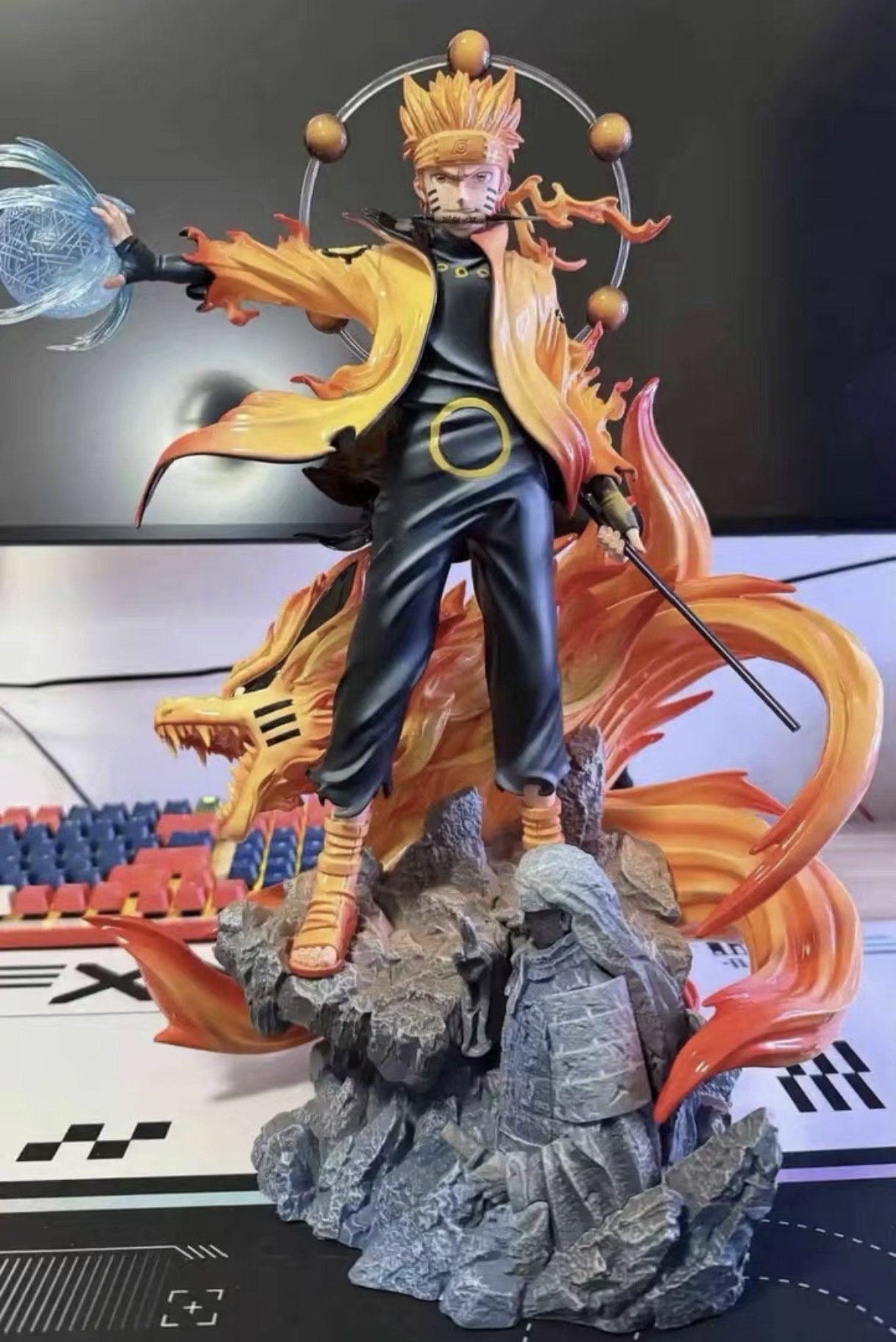
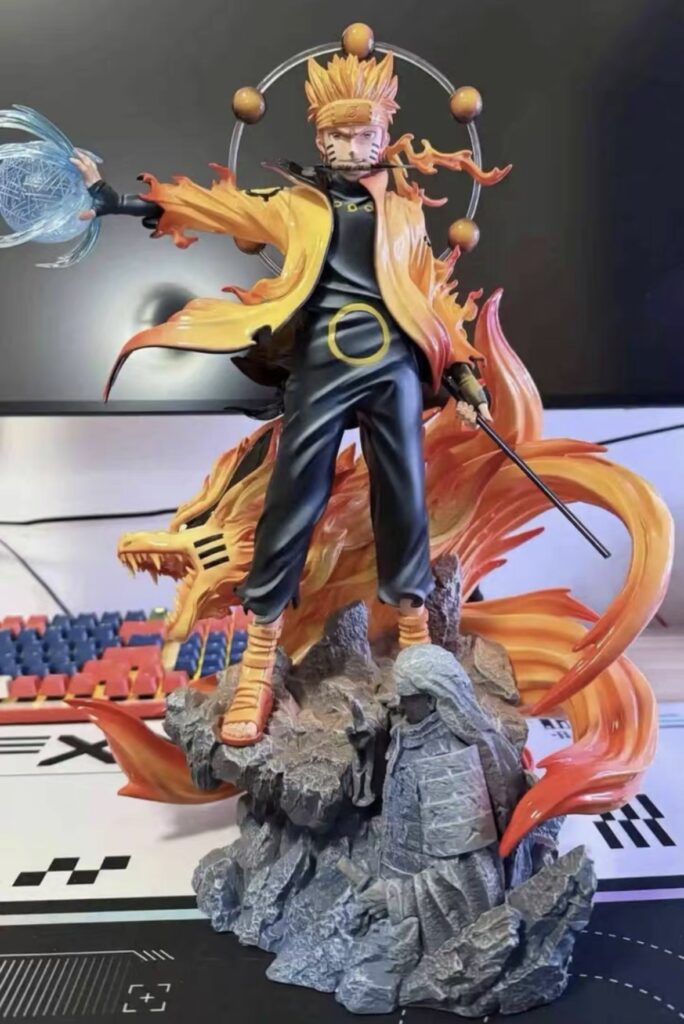
Naruto is depicted in a powerful, dynamic stance, extending his right arm to unleash a detailed, swirling blue energy sphere. Vibrant orange flame effects surge…
View Product →Acquiring a custom “Naruto Sage Mode Dynamic Action” sculpture, particularly one depicting Naruto Uzumaki in his Six Paths Sage Mode with a Rasengan or Rasenshuriken, presents a unique set of complexities that often elude first-time buyers. Unlike mass-produced collectibles, custom pieces introduce a significant layer of variability in craftsmanship, material selection, and overall quality control. The term “custom sculpture” itself immediately flags a departure from standardized manufacturing processes, implying an artisan’s individual interpretation and execution. This means that two figures described identically might possess vastly different levels of detail, paint application precision, and structural integrity. Buyers must navigate the subjective nature of artistic representation, where the “dynamic action” and “intense facial expression” are open to interpretation by both the sculptor and the collector. Furthermore, the market for such custom pieces can be opaque, ranging from legitimate, licensed customizers using high-quality materials to unofficial producers with inconsistent quality, raising concerns about authenticity, durability, and long-term value. Overlooking these nuances can lead to significant disappointment, a misallocation of funds, or acquiring a piece that fails to meet expectations regarding visual fidelity or structural longevity.
The Critical Evaluation Framework
Performance Specifications That Actually Matter
For a custom Naruto figure, “performance” translates directly to its visual impact, fidelity to the source material, and the effectiveness of its dynamic pose. The primary specification to evaluate is the sculptural accuracy and detail resolution. This involves scrutinizing the musculature, costume wrinkles, hair texture, and the intricate details of the Sage Mode markings and the energy sphere. A high-performing sculpt will exhibit crisp lines, defined forms, and a palpable sense of motion and power. The “dynamic action” of Naruto holding a Rasengan demands a compelling pose that conveys kinetic energy; the balance, angle, and flow of the body, particularly the extended arm and the swirling energy, must be expertly rendered to avoid appearing static or awkward.
Another critical performance metric is the paint application quality. This encompasses color accuracy relative to the anime/manga, the smoothness of gradients (especially on the Rasengan), the cleanliness of paint breaks between different colors (e.g., costume edges, skin, hair), and the presence of subtle shading and highlighting that adds depth and realism. A superior paint job enhances the sculpt, bringing it to life, while a poor one can detract significantly, making even a well-sculpted piece appear flat or amateurish. Finally, the stability and balance of the figure are paramount. Despite its dynamic pose, the figure must stand securely on its base without leaning or wobbling, which indicates thoughtful engineering in its weight distribution and base design.
Build Quality and Material Science Considerations
The longevity and aesthetic integrity of a custom figure are heavily dependent on its build quality and the materials used. Common materials include PVC (polyvinyl chloride), ABS (acrylonitrile butadiene styrene), and polystone (resin). PVC is generally flexible and durable, making it suitable for intricate, thinner parts that might otherwise break. ABS is more rigid and impact-resistant, often used for internal structures or bases. Polystone, a mixture of resin and powdered stone, offers superior weight, density, and detail retention, making it the preferred material for high-end, static custom sculptures where fine details and a premium feel are desired.
When evaluating build quality, inspect for seam lines – the visible lines where molded parts are joined. While some seams are unavoidable, excessive or poorly sanded seams indicate a lower standard of production. The mold quality should be sharp, without any soft or blurry details, which can be a sign of a worn mold or a lower-quality casting process. Paint durability is also a factor; cheaper paints can chip, scratch, or fade over time, especially with UV exposure. For custom pieces, inquire about the specific type of paint and clear coat used. The base is an integral part of the build; it should be robust, provide adequate support for the figure’s weight and pose, and aesthetically complement the sculpture without detracting from it. A well-designed base contributes to both the figure’s stability and its overall presentation, often incorporating environmental elements or character motifs.
Display Integration and Long-Term Value/Care
While “Ecosystem Compatibility and Long-Term Software Support” is primarily a concept for electronics, for a custom figure, it translates into crucial considerations regarding its integration into a collector’s display environment and its sustained aesthetic and potential monetary value over time. Display integration primarily concerns the figure’s scale consistency and aesthetic harmony with an existing collection. If you intend to display Naruto alongside other figures, ensuring a consistent scale (e.g., 1/7th, 1/6th) is vital to avoid jarring discrepancies. The overall aesthetic – whether it’s realistic, stylized, or highly dynamic – should ideally complement the visual language of your other collectibles. Furthermore, consider the physical space required; a dynamic action pose, particularly with an extended arm and energy sphere, can have a surprisingly large footprint. The base design, any included effects parts, and the overall dimensions must fit within your available display cases or shelves, taking into account lighting and viewing angles.
Long-term value and care pertain to the figure’s durability and resistance to environmental degradation. Materials like PVC can become brittle over many years, while polystone is more prone to chipping if mishandled. UV radiation from sunlight or certain artificial lights can cause colors to fade or plastics to yellow. Inquire about any UV-resistant coatings used. Ease of cleaning is also a practical consideration; intricate details can trap dust, requiring careful maintenance. For a custom piece, the artisan’s reputation for using archival-quality materials and durable finishes directly impacts its longevity. While “software support” is irrelevant, the concept of “long-term support” can be reinterpreted as the artisan’s willingness to provide repair services or advice should minor damage occur, or the availability of replacement parts if the figure has modular components. A well-maintained, high-quality custom figure from a reputable sculptor will retain its aesthetic appeal and potentially appreciate in value, whereas a poorly made or poorly cared-for piece may degrade, diminishing its collector’s appeal and resale potential.
Dissecting the Budget Tiers
The market for custom figures, particularly one as iconic as Naruto in Sage Mode, offers a spectrum of options, each defined by material quality, craftsmanship, and the reputation of the sculptor or producer. Understanding these tiers is crucial for aligning expectations with investment.
Entry-Level: What You Sacrifice and What You Gain
Entry-level custom Naruto Sage Mode figures typically range from approximately $50 to $200. At this tier, “custom” often refers to unofficial productions or smaller-scale operations focusing on affordability. Buyers generally sacrifice significant aspects of quality. Materials are predominantly standard PVC or ABS plastics, which, while durable, may lack the weight and fine detail resolution of higher-grade alternatives. Paint application is often less refined, characterized by visible brush strokes, inconsistent shading, or less precise paint breaks between colors. Facial expressions, a critical component of character representation, might be less nuanced or accurate, sometimes appearing “off” compared to the source material. Detail fidelity, such as the texture of the Rasengan or the intricate Sage Mode markings, may be simplified or less sharp.
What you gain, however, is accessibility. These figures allow collectors with a limited budget to acquire a representation of a beloved character in a dynamic pose. They serve as excellent starting points for new collectors who prioritize acquiring a piece over absolute perfection. While they may not be exhibition-grade, they can still offer visual enjoyment for casual display. Buyers at this level should manage expectations regarding flawless execution and be prepared for potential minor imperfections in sculpt or paint.
Mid-Range: The Engineering Sweet Spot Explained
The mid-range for custom Naruto Sage Mode figures typically spans from $200 to $600. This tier represents an optimal balance between cost and quality, often where reputable customizers or smaller licensed studios operate. The “engineering sweet spot” here lies in the intelligent application of materials and improved production techniques. Figures in this category often utilize a combination of higher-grade PVC/ABS for general structure and finer details, possibly incorporating some clear resin for effect parts like the Rasengan to achieve a more translucent and vibrant appearance.
Paint application sees a marked improvement: cleaner lines, smoother gradients, and more sophisticated shading techniques that add depth and realism. Facial sculpts are generally more accurate and expressive, capturing Naruto’s determination and power effectively. Detail resolution is significantly enhanced, allowing for more intricate textures on clothing, hair, and energy effects. Stability is usually well-engineered, with robust bases designed to support the dynamic pose. What buyers gain at this level is a figure that stands proudly in a collection, offering substantial visual appeal and a noticeable step up in craftsmanship without venturing into the premium price bracket. These figures often strike an excellent balance between durability for handling and display, and aesthetic fidelity, making them a popular choice for dedicated collectors.
Premium: When the Price Premium Is Justified by Data
Premium custom Naruto Sage Mode figures typically start from $600 and can easily exceed $1,500, particularly for limited edition or officially licensed resin statues from renowned studios. The significant price premium at this level is justified by a confluence of measurable data points and unparalleled artistic execution.
The primary justification is the material quality and scale. Premium figures are almost exclusively crafted from high-quality polystone resin, a heavier, denser material that allows for incredibly sharp detail capture, intricate textures, and a substantial, luxurious feel. They are often produced in larger scales (e.g., 1/4th, 1/3rd) which inherently increases material cost and complexity. Sculptural intricacy reaches its peak here, with meticulous attention to every micro-detail, from individual strands of hair to nuanced fabric folds and hyper-realistic energy effects, often incorporating LED lighting for the Rasengan or Sage Mode eyes. Paint application is master-class, featuring complex airbrushing, hand-painted details, subtle weathering, and multi-layered clear coats that create depth and vibrancy unmatched by lower tiers. The facial expression is often a true work of art, capturing the character’s essence with uncanny accuracy and emotional depth.
Furthermore, premium figures often come with exclusive features, such as swappable parts (e.g., different facial expressions, alternative arm poses), elaborate environmental bases, and certificates of authenticity, sometimes signed by the sculptor. The limited edition nature of many premium pieces, often with individually numbered units, contributes to their exclusivity and potential for future appreciation. The “data” justifying the price includes the verifiable material specifications (e.g., specific resin grade), the demonstrable complexity of the sculpt and paint, the reputation of the studio or sculptor, and the demonstrable scarcity. For the discerning collector who demands the absolute best in accuracy, artistry, and presence, and views the figure as a significant investment piece, the premium tier unequivocally delivers a superior product experience.
Common Buyer Mistakes — and How to Avoid Them
Naruto Figure Custom sculpture Naruto Sage Mode Dynamic Action
Naruto is depicted in a powerful, dynamic stance, extending his right arm to unleash a detailed, swirling blue energy sphere. Vibrant orange flame effects surge…
View Product →Navigating the custom figure market requires a discerning eye, as marketing efforts can often obscure crucial details or inflate perceived value. Avoiding common pitfalls is key to a satisfactory purchase.
Specification Traps That Look Good on Paper
The most prevalent specification trap involves relying solely on product descriptions without critical visual verification. Terms like “high-quality plastic,” “exquisite detail,” or “vibrant colors” are subjective and lack measurable metrics. A common pitfall is to assume that a “custom sculpture” automatically implies museum-grade quality; often, it simply means it’s not mass-produced, with varying degrees of professionalism. Another trap is the prototype versus production model discrepancy. Sellers frequently display highly polished prototype images, which are often hand-painted and perfectly sculpted, but the final production piece (especially for lower-tier customs) can suffer from reduced detail, less precise paintwork, or material substitutions. Always seek out photos or videos of the actual product from multiple angles, ideally from independent reviewers or other buyers, rather than relying solely on promotional renders.
Buyers might also fall for exaggerated scale claims or vague dimension listings. A figure described as “large” might still be smaller than anticipated if specific measurements aren’t provided. Without a clear scale (e.g., 1/7th, 1/6th) or unambiguous height/width measurements, it’s difficult to gauge its true size relative to your display space or other figures. Similarly, vague material descriptions that avoid specifying PVC, ABS, or polystone should raise a red flag. A seller avoiding specific material declarations might be using cheaper, less durable alternatives, or blending materials in a way that compromises quality. Always press for concrete material information and cross-reference it with the expected quality for the price point.
Marketing Language vs Measurable Performance Differences
Marketing language often employs evocative adjectives like “dynamic,” “intense,” “stunning,” or “lifelike” to describe a figure’s attributes. While these terms aim to capture the emotional appeal, they don’t provide objective criteria for evaluation. A “dynamic pose” can be subjectively interpreted; what one person finds dynamic, another might find stiff or unbalanced. To move beyond this, a buyer must look for measurable performance differences.
For a “dynamic action” pose, objectively assess the flow and balance of the sculpt. Does the pose genuinely convey motion and kinetic energy, or does it simply look like a character frozen mid-action without the underlying anatomical logic? Look for the realism in the weight distribution and the naturalness of the limbs. For “vibrant colors,” scrutinize the paint application for consistency, saturation, and the presence of gradients or weathering effects. Are the colors uniformly applied without blotches or overspray? Are highlights and shadows strategically placed to enhance depth, or do they appear flat? For an “intense facial expression,” evaluate the accuracy of the sculpt to the source material’s character design, the symmetry of the features, and the cleanliness of the paintwork around the eyes and mouth. A truly intense expression will have defined lines, sharp paint separation between the eyes and skin, and a credible representation of emotion, not just a generic grimace. Compare the figure’s portrayal against official artwork or animation frames to gauge its fidelity. Relying on objective visual evidence and comparative analysis, rather than accepting marketing claims at face value, empowers buyers to make more informed decisions.
The Decision Framework: Matching Product to Buyer Profile
Making a fully informed decision about a custom Naruto Sage Mode figure requires a structured approach, aligning the product’s attributes with your personal collecting goals and risk tolerance.
Questions to Clarify Before Committing
Before committing to a purchase, a series of introspective and investigative questions should be addressed. First, what is your primary collecting goal? Are you seeking a centerpiece for a high-end display, a casual addition to a diverse collection, or an affordable representation of a beloved character? Your answer will dictate which budget tier and quality level are appropriate. Second, how important is absolute source material accuracy versus artistic interpretation? Custom sculpts, by nature, involve an artist’s unique take. Some collectors prioritize exact screen accuracy, while others appreciate a fresh, stylized interpretation. Clarify your preference by comparing the figure’s visuals to official art.
Third, what is your budget ceiling, and what level of quality are you willing to accept within that budget? Be realistic about the trade-offs between price and perfection. Fourth, what are your display limitations? Consider the physical dimensions of the figure, including its base and any extended effect parts, and ensure it will fit comfortably and safely in your intended display space, accounting for lighting and viewing angles. Fifth, how much risk are you willing to take on a custom piece? Custom items often come with less robust return policies or warranty support than mass-produced goods. Inquire about the seller’s return policy, shipping insurance, and any guarantees on craftsmanship or durability. Finally, is official licensing important to you? Many custom figures are unofficial. If you prioritize official merchandise for legal or ethical reasons, verify licensing credentials, which often means a higher price point.
Red Flags to Watch for in Product Listings
Vigilance is paramount when evaluating product listings for custom figures, as certain indicators can signal potential issues. The most significant red flag is the exclusive use of stock photos or highly polished renders without actual product photos. If a seller cannot or will not provide clear, unedited photos of the physical item you will receive, it’s a strong indication that the final product may differ significantly from expectations, often for the worse. Similarly, vague or incomplete product descriptions regarding materials, dimensions, weight, or specific paint finishes should raise suspicion. Legitimate sellers are transparent about these details.
Unrealistically low pricing for a claimed level of quality (e.g., a “premium polystone resin” figure for an entry-level PVC price) is almost always a trap; if it seems too good to be true, it likely is. Conversely, unjustifiably high pricing without clear evidence of superior materials, craftsmanship, or licensing can also be a red flag, indicating an inflated margin without commensurate value. Poor seller reputation or lack of verifiable reviews across multiple platforms is a critical warning sign. Research the seller or customizer thoroughly. Finally, watch for inconsistent branding or claims of official licensing without verifiable proof. Many unofficial customs will appropriate official logos or claim “limited edition” status without any backing, which can mislead buyers about the product’s authenticity or future value.
Final Checklist Before Purchase
Before finalizing your purchase, run through this comprehensive checklist to ensure all critical aspects have been considered:
- Seller Verification: Is the seller reputable with a history of positive reviews for similar products? Have you checked independent forums or collector communities for feedback?
- Product Photos: Have you seen clear, unedited photos or videos of the actual production piece from multiple angles, not just prototypes or renders?
- Material Confirmation: Are the specific materials (PVC, ABS, Polystone resin, etc.) clearly stated? Do they align with the expected quality for the price tier?
- Scale and Dimensions: Are the exact scale (e.g., 1/6th) and precise dimensions (height, width, depth) provided and confirmed to fit your display space?
- Paint Quality: Have you scrutinized photos for clean paint lines, smooth gradients, and absence of flaws like overspray or inconsistent application?
- Sculptural Detail: Does the sculpt accurately capture Naruto’s likeness, the Sage Mode features, and the dynamic energy of the Rasengan, with crisp details?
- Stability: Is the base design robust and does it provide adequate support for the dynamic pose without leaning or wobbling?
- Pricing Justification: Does the price align with the stated materials, craftsmanship, scale, and any licensing status?
- Shipping & Insurance: Is shipping insured against damage? What is the estimated delivery time?
- Return Policy & Warranty: Do you understand the seller’s return policy, including conditions for returns due to defects or damage? Is there any warranty on craftsmanship?
- Authenticity/Licensing: If important, is the figure officially licensed, and is there verifiable proof?
- Budget Alignment: Does the purchase fit comfortably within your allocated budget, considering potential import duties or taxes?
By meticulously addressing each point in this guide, consumers can transform a potentially complex and risky purchase into a well-informed decision, leading to the acquisition of a Naruto Sage Mode dynamic action figure that truly meets their expectations and enriches their collection.