Why This Purchase Decision Is More Complex Than It Appears

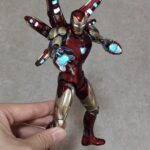
Iron Man Action Figure Custom Collectible Marvel Light-Up Pose
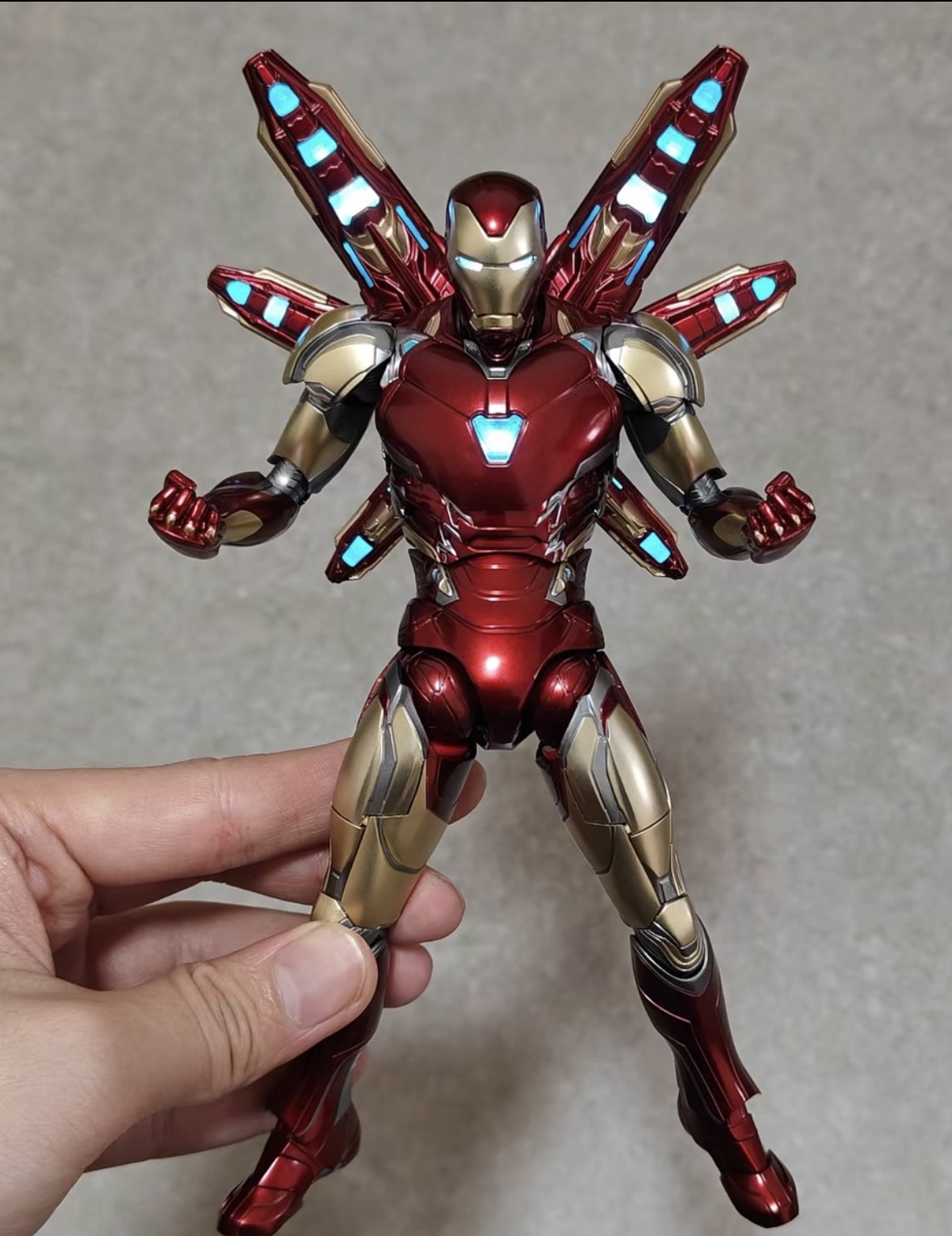
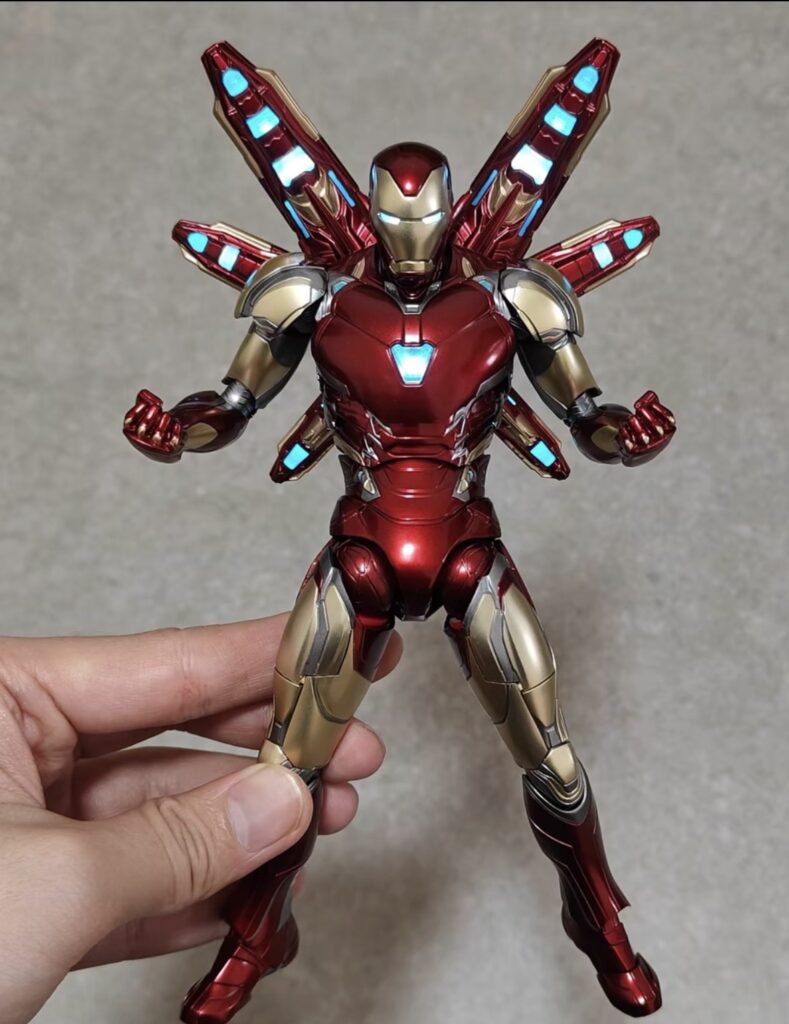
The Iron Man action figure stands in a dynamic, ready stance with arms bent and fists clenched, exuding an energized presence. Bright blue glowing lights…
View Product →The acquisition of a high-end “Iron Man Action Figure Custom Collectible Marvel Light-Up Pose” is often perceived by newcomers as a straightforward transaction based primarily on aesthetic appeal. However, this perspective overlooks a multitude of critical variables that dictate not only the initial satisfaction but also the long-term value and durability of the investment. Unlike mass-produced toys, custom collectibles occupy a niche market characterized by intricate engineering, specialized materials, and nuanced production processes. First-time buyers frequently underestimate the significance of articulation design beyond a simple count of pivot points, or the subtle yet profound differences in paint application that distinguish a museum-quality piece from a merely good one. Furthermore, the integration of electronic features, such as light-up elements, introduces complexities related to power sources, wiring durability, and future maintenance. Understanding these underlying factors is paramount to making a truly informed decision, mitigating buyer’s remorse, and ensuring the chosen figure aligns precisely with a collector’s expectations and display intentions.
The Critical Evaluation Framework
Performance Specifications That Actually Matter
When evaluating an Iron Man action figure designed for dynamic posing and display, a superficial glance at feature lists is insufficient. The articulation system is paramount; it’s not merely the number of articulation points, but their strategic placement, range of motion, and underlying joint design. Double-jointed knees and elbows, butterfly joints at the shoulders, waist swivels, and ankle pivots with significant tilt are crucial for achieving truly dynamic and natural poses. A figure boasting “X” points of articulation but limited range or weak friction joints will ultimately disappoint when attempting iconic Iron Man stances.
The light-up functionality is another key differentiator. Evaluate which specific areas illuminate (e.g., arc reactor, eyes, repulsor palms), the brightness and color consistency of the LEDs, the power source (button cells, AAA batteries, USB power), and the ease of battery replacement. A well-engineered light-up feature will have discreet switches, minimal battery drain, and robust wiring that does not impede articulation or pose a durability concern. Substandard electronics can lead to flickering, premature battery depletion, or complete failure, detracting significantly from the figure’s premium appeal.
Scale and proportional accuracy are fundamental for collectors who wish to display figures together or demand precise replication of the source material. Common scales include 1/6, 1/10, and 1/12, each with implications for display space and perceived detail. A figure’s fidelity to its cinematic or comic counterpart, including the intricate panel lines, weaponry, and overall silhouette, directly impacts its collectibility and visual impact.
Finally, the accessory complement extends the figure’s versatility. This includes interchangeable hands (fists, relaxed, repulsor blast), weapon effect parts (e.g., energy blasts, smoke trails), unmasked head sculpts with accurate likenesses, and robust display stands. The quality, fit, and paint matching of these accessories are critical for enhancing the figure’s display options and perceived value.
Build Quality and Material Science Considerations
The longevity and tactile experience of a collectible action figure are intrinsically linked to its material composition and manufacturing precision. Primary materials commonly include ABS (Acrylonitrile Butadiene Styrene) plastic for rigid, detailed parts, and PVC (Polyvinyl Chloride) plastic for softer, more flexible components like certain armor overlays or intricate wiring covers. High-end figures often incorporate die-cast metal in structural components like the inner frame, chest plating, or leg sections. This adds substantial weight, imparts a premium feel, and enhances durability in areas prone to stress. However, excessive die-cast can sometimes lead to stability issues or restrict articulation if not expertly engineered. Mixed media elements, such as fabric for undersuits or capes, can further elevate realism, provided the materials are durable and tailored precisely to the figure’s scale.
Joint durability is paramount. Figures utilizing ratchet joints offer superior stability and resistance to loosening over time compared to simple friction joints, particularly for supporting dynamic poses. The engineering of these joints must allow for smooth, controlled movement without excessive stiffness or fragility.
Electronic integration demands meticulous attention to detail. Wires for light-up features should be discreetly routed, protected from pinching during articulation, and robust enough to withstand repeated posing. Battery compartments should be secure yet easily accessible, and the overall electronic system designed for longevity, not just initial functionality.
The paint application and finish are often the most immediately apparent indicators of quality. Look for crisp, clean lines, consistent metallic sheens, and accurate weathering effects where intended. Any overspray, smudges, or inconsistent clear coats significantly detract from a figure’s premium status. High-quality paint adhesion is essential to prevent chipping or scratching during handling and posing.
Ecosystem Compatibility and Long-Term Software Support
While “software support” might seem an unusual term for an action figure, it metaphorically refers to the broader context of its brand, potential for expansion, and aftermarket viability. For collectors, manufacturer ecosystem compatibility is a practical concern. If you are collecting from a specific brand (e.g., Hot Toys, Sentinel, SH Figuarts), how well does this figure integrate with their existing or future releases? Are display stands, effect parts, or even interchangeable body parts designed to be cross-compatible? This facilitates a cohesive and expandable collection.
Display compatibility refers to whether the figure, particularly with its base, fits within standard display cases like IKEA Detolfs or custom shelving units. The footprint of the stand and the figure’s overall dimensions are practical considerations for many collectors.
The metaphorical “long-term software support” for a collectible encompasses several factors. Replacement parts availability is a critical, though often overlooked, aspect. For high-end, custom figures, the ability to source replacement hands, head sculpts, or even electronic components in case of loss or breakage can be extremely limited or non-existent, making initial build quality and careful handling even more crucial. A strong community support network or active modding scene can sometimes provide solutions for repairs or custom enhancements. Finally, for those considering figures as a potential investment, the resale value and market stability of the specific brand and character variant are important. Established brands with a track record of quality and desirability tend to hold or appreciate in value more reliably than obscure or unproven manufacturers.
Dissecting the Budget Tiers
Entry-Level: What You Sacrifice and What You Gain
Entry-level Iron Man action figures with light-up features typically fall within the $50-$150 price range. At this tier, buyers should anticipate certain trade-offs. The primary sacrifice is often in the sophistication of articulation, which may feature fewer points, simpler joint designs (mostly friction-based), and a more restricted range of motion, limiting truly dynamic posing. Material composition will predominantly be ABS and PVC plastic, with little to no die-cast metal, resulting in a lighter figure with a less substantial feel. Paint application tends to be simpler, with fewer layers, less nuanced metallic finishes, and minimal or no weathering effects. The light-up feature is usually basic, perhaps limited to just the arc reactor, powered by easily accessible but short-lived button cell batteries. Accessory counts are generally low, with perhaps one or two sets of hands and a basic stand.
However, the gain at this tier is significant accessibility. These figures offer a recognizable Iron Man with a functional light-up gimmick at a price point that is approachable for casual collectors, younger enthusiasts, or those just beginning their collection journey. They can still serve as attractive display pieces, providing a visual representation of the character without the substantial financial commitment of higher tiers.
Mid-Range: The Engineering Sweet Spot Explained
The mid-range, typically priced between $150-$400, represents a compelling “engineering sweet spot” where significant improvements are realized without reaching the extreme premium costs. Figures in this category often feature enhanced articulation, incorporating double-jointed systems, butterfly joints, and more robust ratchet mechanisms, allowing for a much broader and more stable range of dynamic poses. Material integration becomes more sophisticated, with selective use of die-cast metal in key areas to add weight, durability, and a premium feel, while maintaining optimal articulation.
Paint applications are notably more refined, often including multiple layers for a deeper metallic sheen, subtle weathering, and sharper panel line details. The light-up functionality is usually more advanced, illuminating multiple points (eyes, arc reactor, repulsor palms), often with brighter LEDs and more convenient power solutions. Accessory counts are generous, frequently including multiple interchangeable hands, various effect parts (e.g., repulsor blasts, flight effects), and sometimes even unmasked head sculpts.
The value proposition here is strong: these figures strike an excellent balance between cost, aesthetic fidelity, poseability, and durability. They cater to serious collectors who demand high quality and detail but may not require the absolute pinnacle of luxury or investment-grade status. Manufacturers in this tier have often honed their production processes to deliver consistency and engineering prowess.
Premium: When the Price Premium Is Justified by Data
At the premium tier, prices generally start from $400 and can extend well into four figures. This significant price premium is justified by a confluence of factors that elevate these figures beyond mere collectibles into artisanal display pieces. The primary justification lies in hyper-accuracy and unparalleled detail. These figures boast meticulously sculpted forms that are often scanned directly from movie assets or concept art, coupled with intricate, often hand-painted, finishes that replicate every nuance of the source material, including subtle battle damage, paint chipping, and reflective properties.
Advanced materials are extensively utilized, with a substantial presence of die-cast metal for both the inner frame and outer armor, imparting a substantial weight and authentic metallic feel. Mixed media elements, such as finely tailored fabric undersuits, are common, adding another layer of realism. Intricate electronics are a hallmark, featuring multi-point lighting systems that might include remote controls, sequential lighting effects, or sophisticated power management to maximize battery life.
Exemplary articulation and engineering are standard, often featuring complex internal mechanisms that allow for seamless movement while maintaining the figure’s aesthetic integrity. Joints are typically highly durable, designed for longevity even with frequent posing. Comprehensive accessories are expected, including a wide array of interchangeable hands, multiple highly detailed head sculpts (often with magnetic faceplates), elaborate weapon effects, and highly detailed, often themed, display bases.
Furthermore, premium figures often come from established, industry-leading brands with a reputation for uncompromising quality control and limited production runs, which contributes to their exclusivity and potential for investment appreciation. For discerning collectors who prioritize the absolute best in terms of realism, craftsmanship, and display presence, the data supports the justification of this price premium.
Common Buyer Mistakes — and How to Avoid Them
Iron Man Action Figure Custom Collectible Marvel Light-Up Pose
The Iron Man action figure stands in a dynamic, ready stance with arms bent and fists clenched, exuding an energized presence. Bright blue glowing lights…
View Product →Specification Traps That Look Good on Paper
The marketing of collectible action figures often highlights specifications that, while technically true, can be misleading without deeper understanding. A common trap is the emphasis on a high count of “articulation points.” While more points generally imply greater poseability, a figure with 30 poorly designed or restricted joints is less dynamic than one with 20 well-engineered, double-jointed, or ratcheted points offering a superior range of motion. Always seek visual evidence, such as video reviews, demonstrating the actual posing capabilities rather than relying solely on a number.
Similarly, “die-cast metal construction” can be deceptive. A figure might advertise die-cast elements, but these could be limited to small, non-critical parts, offering minimal impact on overall weight or durability. Conversely, an excessive amount of die-cast metal, particularly in poorly balanced designs, can make a figure top-heavy, unstable, or prone to joint stress. The key is balance and strategic application. Research which parts are die-cast and how they contribute to the figure’s stability and feel.
The simple mention of a “light-up feature” is another potential trap. This could range from a single, dim LED in the arc reactor to a sophisticated multi-point system with bright, consistent illumination. Inquire about the number of light-up points, the power source (battery type and expected life), the ease of battery replacement, and the switch mechanism. A light-up feature that is difficult to activate or maintain quickly loses its appeal.
Finally, the term “custom collectible” itself can be a broad descriptor. It can refer to a genuinely bespoke, hand-finished item from a specialized artist, or it might be applied to a mass-produced item with minor modifications. Always research the specific manufacturer or artist behind the “custom” claim to ascertain their reputation and the actual level of bespoke craftsmanship involved.
Marketing Language vs Measurable Performance Differences
Marketing copy often employs evocative language that requires rational deconstruction to understand actual product performance. Phrases like “screen accurate” should be verified against actual movie stills or official reference material. Minor deviations in color, proportion, or weathering are common even in high-end figures.
“Premium finish” is inherently subjective. Instead of accepting the claim at face value, seek out high-resolution photographs and detailed video reviews that showcase the paint application, metallic sheen, and presence or absence of imperfections like overspray or inconsistent clear coats. Compare it against known benchmarks for quality in the collectible market.
The promise of “dynamic poseability” necessitates visual proof. Does the figure actually hold dynamic, gravity-defying poses without assistance? Are the joints strong enough to support the figure’s weight in various configurations? Look for evidence of joint looseness or stability issues in user reviews.
“Limited Edition” requires scrutiny. The perceived value of a limited edition is directly tied to the actual production run size. A run of 10,000 units is significantly less exclusive than 500. Understand the true scarcity before attributing a premium value based solely on this claim.
Claims of “hand-painted” can also be nuanced. While most high-end figures involve some degree of hand-painting, it’s important to distinguish between entirely hand-painted figures (rare and expensive) and those that receive hand-applied touch-ups or weathering over a factory base coat. The level of detail and consistency will vary greatly depending on the extent of manual application. Always prioritize measurable performance differences, such as articulation range, material composition, and electronic functionality, over subjective marketing terms.
The Decision Framework: Matching Product to Buyer Profile
Questions to Clarify Before Committing
Before making a significant investment in an Iron Man collectible, a structured self-assessment can prevent regret.
1. What is your primary purpose for this figure? Is it for static display in a glass cabinet, dynamic posing for photography, long-term investment, or occasional handling and interaction? This dictates the required robustness of joints, paint durability, and accessory count.
2. What is your absolute budget ceiling? Be realistic. The market offers options across a wide spectrum, and knowing your limit helps filter choices effectively.
3. What scale are you collecting in (if any)? Consistency in scale (e.g., 1/6, 1/12) is crucial for a cohesive display, especially if you plan to acquire other Marvel figures.
4. How important is articulation versus sculpt accuracy? Some figures prioritize hyper-realistic sculpts over extreme poseability, while others find a balance. Your preference will guide your choice.
5. How critical is the light-up feature? Do you require multiple points of illumination, a remote control, or is a basic arc reactor glow sufficient? Consider the maintenance involved (battery changes).
6. Are you comfortable with potential maintenance? This includes occasional battery changes, dusting, careful posing to avoid stress, and potentially minor joint tightening over time.
7. What is your tolerance for minor imperfections? Mass-produced figures, even high-end ones, can have slight paint inconsistencies. True custom pieces should have fewer, but bespoke items can have unique characteristics.
8. Which Iron Man suit design are you seeking? The Mark III, Mark LXXXV, or a comic book iteration? Specificity helps narrow the search.
Red Flags to Watch for in Product Listings
Vigilance during the browsing phase is crucial to avoid fraudulent or misrepresented products.
* Exclusive use of generic stock photos: If a listing only shows official promotional images and no actual photos of the product being sold, it’s a significant red flag. Insist on seeing images of the actual item.
* Lack of clear manufacturer or brand information: For “custom collectibles,” the identity and reputation of the creator are paramount. Absence of this detail is highly suspicious.
* Vague material descriptions: Terms like “high-quality plastic” instead of specific materials (ABS, PVC, die-cast) suggest an attempt to obscure the actual build.
* Unrealistically low price for claimed features: If a figure boasts premium features (extensive die-cast, multi-point lighting, hyper-detailed sculpt) but is priced significantly below market averages, it’s likely a counterfeit or a misrepresentation.
* Poorly translated descriptions or glaring grammatical errors: While not always indicative of fraud, these are common in listings from unreliable sellers or those peddling knock-offs.
* Absence of key specifications: If critical details like articulation points, material breakdown, battery type for light-up features, or scale are missing, the seller may be intentionally omitting information.
* “Final Sale” or “No Returns” policy: For high-value collectibles, a reputable seller should offer a reasonable return policy in case of defects or misrepresentation.
* Discrepancies between images and description: Pay close attention if the images show features (e.g., die-cast parts) that are contradicted or absent in the written description.
Final Checklist Before Purchase
Before finalizing your decision, run through this comprehensive checklist to ensure all bases are covered.
1. Verify Manufacturer/Brand Reputation: Research the brand’s history, customer service, and consistency of quality for similar figures.
2. Examine Real-World Photos and Videos: Seek out unboxing videos, detailed reviews, and collector photos from independent sources, not just the seller’s promotional material.
3. Confirm Scale and Dimensions: Double-check the figure’s height and the base’s footprint to ensure it fits your display space and existing collection.
4. Clarify Material Composition: Understand the precise mix of plastics, metals, and other media used in construction.
5. Understand Light-Up Functionality: Confirm which parts illuminate, the power source, battery accessibility, and switch mechanism.
6. Review Articulation Design: Look for demonstrations of its actual posing capabilities and joint stability.
7. Check Included Accessories: Ensure all expected interchangeable parts, effect pieces, and stands are included and are of comparable quality.
8. Read Return Policy and Warranty Information: Fully understand the terms for returns, exchanges, and any available warranty.
9. Compare Prices Across Reputable Retailers: Ensure you are getting a competitive and fair price from a trusted source.
10. Factor in Shipping, Taxes, and Import Duties: These additional costs can significantly impact the final price, especially for international purchases.