Why This Purchase Decision Is More Complex Than It Appears
Teenage Mutant Ninja Turtles Figure Custom collectible Popular Culture
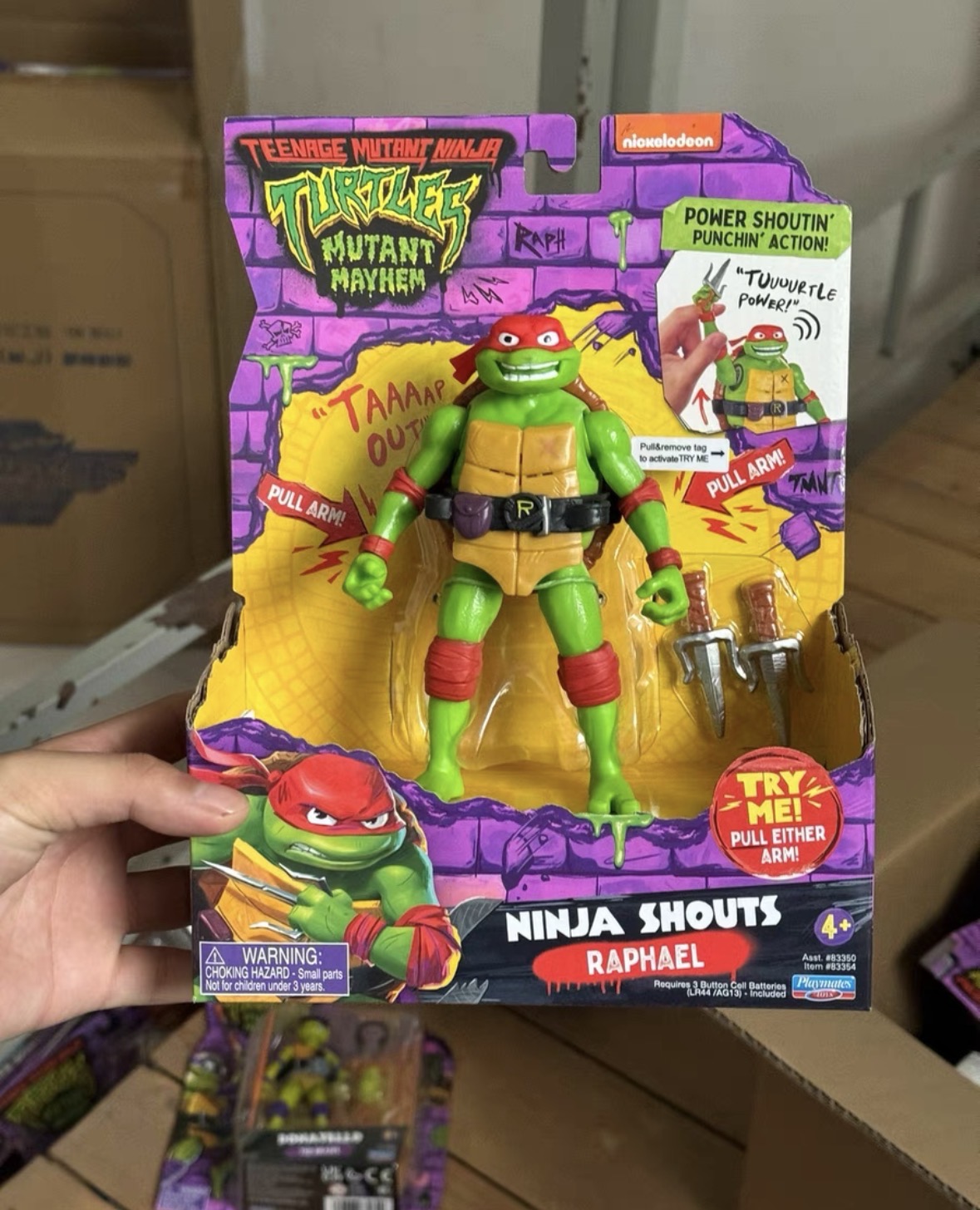
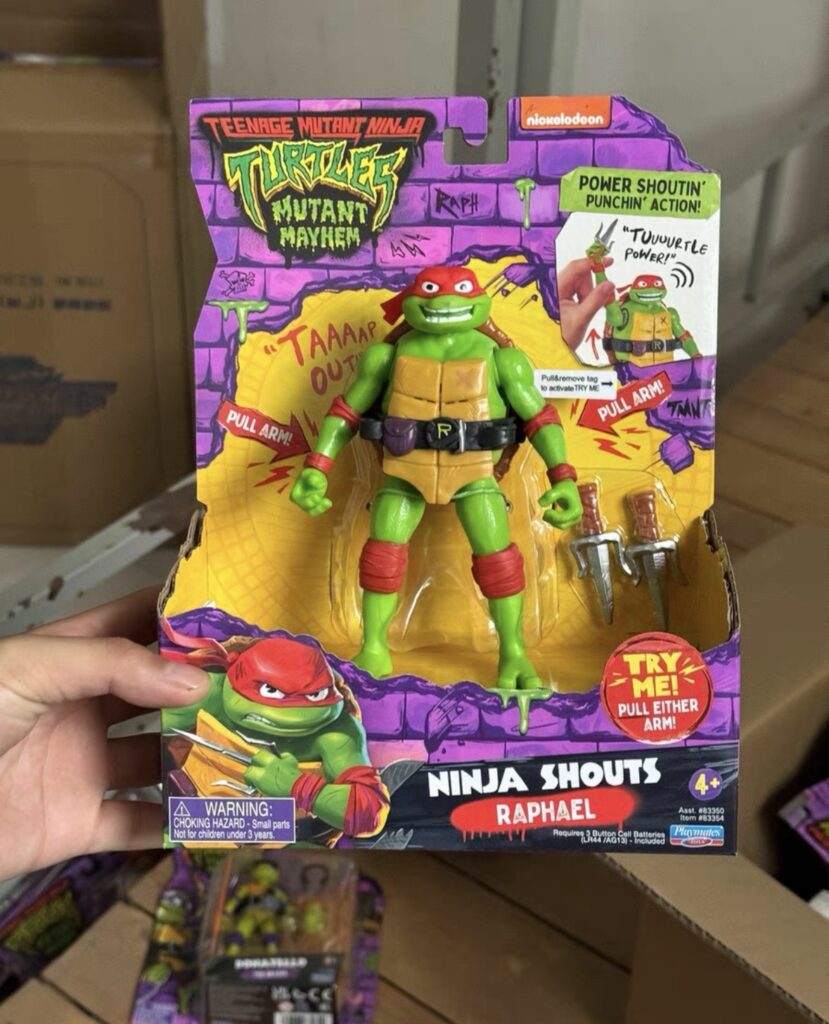
The Teenage Mutant Ninja Turtles Raphael figure is depicted in a dynamic, ready-for-action stance with clenched fists and a wide, determined smile. His left arm…
View Product →The acquisition of a Teenage Mutant Ninja Turtles (TMNT) collectible figure, particularly those categorized under “custom collectible popular culture,” transcends a simple transaction. What initially appears as a straightforward purchase of a character representation quickly reveals a labyrinth of nuanced considerations. First-time buyers often overlook critical variables such as the proliferation of manufacturers, each with distinct design philosophies and material specifications. The TMNT franchise itself spans decades, encompassing numerous iterations across comics, animated series, films, and video games, meaning a “Raphael” figure from one era can differ dramatically from another in sculpt, scale, and articulation.
Furthermore, the “custom collectible” aspect introduces layers of complexity. This can refer to factory-produced figures designed for customization, limited-edition runs that become uniquely desirable, or even truly bespoke pieces crafted by independent artists. Understanding the aftermarket value, the prevalence of counterfeits, and the subtle distinctions in build quality across price points requires more than a cursory glance at packaging. The decision isn’t merely about owning a figure; it’s about navigating a rich, diverse ecosystem of design, engineering, and cultural significance to ensure the chosen piece aligns with specific collector objectives and long-term satisfaction.
The Critical Evaluation Framework
To make an informed decision, a structured evaluation framework is essential, moving beyond superficial aesthetics to scrutinize the underlying attributes of the collectible.
Performance Specifications That Actually Matter
For any action figure, particularly those intended for display and potential interaction, specific performance specifications directly dictate its utility and appeal. The articulation schema is paramount; a figure’s poseability is determined not just by the sheer number of articulation points, but by their type, range of motion, and stability. Ball joints offer fluidity, while hinge and swivel joints provide specific directional movement. Ratchet joints, found in higher-end figures, offer strong detents to hold dynamic poses without sagging over time, a common failure point in lesser figures. A figure with 20 points of articulation that are poorly integrated or have limited range is less “poseable” than one with 15 well-engineered points.
Scale consistency is another critical factor, especially for collectors aiming to build a cohesive display. TMNT figures commonly exist in 1/12 (approximately 6-inch), 1/10 (7-inch), and 1/4 scales. Mixing scales inadvertently can lead to an aesthetically disjointed collection. Understanding a manufacturer’s typical scale for a line (e.g., NECA’s 7-inch cartoon line) is crucial for compatibility.
The accessory count and quality significantly enhance a figure’s display value and narrative potential. Beyond standard weaponry, interchangeable head sculpts (expressing different emotions or battle damage), alternate hands (for varied grips or gestures), and effect pieces (e.g., smoke, energy blasts) allow for diverse display scenarios. The quality of these accessories, from their paint application to their material durability, must match that of the main figure.
Finally, paint application and sculpt accuracy are fundamental to visual appeal. Meticulous paintwork, free from overspray, bleeding, or inconsistent coverage, elevates a figure from a toy to a collectible. The sculpt must accurately represent the chosen source material, capturing the character’s essence and proportions. Discrepancies here can significantly detract from the figure’s authenticity and appeal.
Build Quality and Material Science Considerations
The tangible quality of a figure is intrinsically linked to its construction and the materials employed. Plastic type is a primary differentiator. ABS plastic is generally rigid and durable, often used for core body parts and structural elements, while PVC (polyvinyl chloride) offers greater flexibility, making it suitable for softer, more pliable components like capes, belts, or certain joint connections where some give is necessary. The choice impacts both durability and paint adhesion. High-quality figures often use a combination, leveraging the strengths of each.
Joint durability is critical for longevity. Joints that are too loose will fail to hold poses, while those that are excessively tight risk breakage during manipulation. Modern figures often incorporate internal pin structures or metal rods in critical high-stress joints to enhance resilience. The presence of clean molding—absence of visible mold lines, flash (excess plastic), or gaps between assembled parts—is indicative of precise manufacturing processes and attention to detail.
Paint durability is also a key concern. Premium figures utilize paints that are resistant to chipping, scratching, and fading over time, often employing multiple layers or protective clear coats. Weight and balance contribute to a figure’s perceived quality and posing stability. Figures with a decent heft, often achieved through solid plastic construction or even internal weighting, tend to feel more substantial and are less prone to tipping during display. Conversely, hollow, lightweight figures can feel insubstantial and be challenging to pose dynamically.
Ecosystem Compatibility and Long-Term Value Retention
While “software support” is an inapplicable term for physical collectibles, the concept of ecosystem compatibility and long-term value retention is highly relevant. Ecosystem compatibility refers to how well a figure integrates into a broader collection or display. This includes matching scales with other figures, stylistic coherence within a specific TMNT line (e.g., all 1990 movie figures), and even cross-franchise compatibility if a collector aims for thematic dioramas. A figure that completes a specific team, diorama element, or character roster within a chosen “universe” holds greater value within that personal ecosystem.
Long-term value retention is the collectible’s equivalent of “software support.” This is influenced by several factors:
1. Edition size: Limited runs or exclusives typically retain or appreciate value more effectively than mass-produced items.
2. Brand reputation: Manufacturers known for quality, accuracy, and consistent collector engagement (e.g., NECA, Super7 for certain lines) often see their products hold value better.
3. Character popularity: Core characters like Raphael, Leonardo, Donatello, and Michelangelo, especially in iconic iterations, generally maintain strong demand.
4. Condition: Figures kept “Mint In Box” (MIB) or “New In Box” (NIB) typically command higher prices than “loose” figures, although the latter can still be valuable if complete and well-preserved.
5. Market trends: The overall health and interest in the TMNT franchise and the specific sub-lines (e.g., Mirage comics, 1987 cartoon) can fluctuate, impacting demand.
6. Aftermarket support: While not formal “support,” the availability of replacement parts (often from other collectors or third-party sellers), community knowledge for repairs, and robust collector communities contribute to a figure’s longevity and perceived value.
Understanding these factors allows a buyer to assess not just the immediate satisfaction, but also the potential for the figure to grow as a valued part of a collection or even as a modest investment.
Dissecting the Budget Tiers
The market for TMNT figures is stratified by price, reflecting significant differences in design, materials, and production effort. Understanding these tiers is crucial for aligning expectations with expenditure.
Entry-Level: What You Sacrifice and What You Gain
Entry-level figures, typically ranging from $10-$30, are designed for mass market appeal and accessibility. These are often the primary retail line from Playmates Toys or smaller, less detailed releases from other brands.
Sacrifices:
* Limited Articulation: Expect fewer points of articulation, often simpler swivel joints rather than complex ball or hinge-and-swivel combinations. Range of motion can be restricted.
* Simplified Paint Application: Paint apps tend to be basic, with fewer colors, less shading, and a higher likelihood of overspray or less precise detailing.
* Fewer Accessories: Figures might come with one or two basic weapons, but rarely interchangeable parts like alternate heads or hands.
* Material Quality: Plastics can feel lighter, sometimes hollow, and less durable. Joint tolerances might be inconsistent, leading to loose limbs or fragile connections.
* Sculpt Accuracy: While recognizable, sculpts might simplify details or proportions compared to source material.
Gains:
* Affordability: The primary advantage is the low barrier to entry, making them accessible for casual fans or children.
* Durability for Play: Paradoxically, simpler designs can sometimes be more robust for actual play by children, as complex articulation points are often the first to break under stress.
* Wider Availability: These figures are typically found in major retail chains.
* Gateway to Collecting: They can serve as an initial spark for deeper collecting without significant financial commitment.
Mid-Range: The Engineering Sweet Spot Explained
Mid-range figures, generally priced between $30-$80, represent a significant step up in quality and offer what many collectors consider the “sweet spot” for value. This tier often includes lines from NECA (for certain releases), Super7 Ultimates, and some imported brands.
The Engineering Sweet Spot:
* Enhanced Articulation: Expect a good balance of articulation points with improved range of motion and joint stability. Ball joints, double-hinged knees/elbows, and waist swivels are common, allowing for dynamic posing.
* Detailed Sculpting and Paint: Sculpt accuracy to source material is typically high. Paint applications are cleaner, often with multiple colors, subtle shading, and greater attention to character-specific details.
* Generous Accessories: Figures usually come with a variety of accessories, including multiple weapon options, interchangeable hands (fist, grip, open), and often alternate head sculpts for different expressions.
* Solid Build Quality: Materials feel more substantial, with better plastic blends and tighter joint tolerances. Some figures may incorporate minor die-cast elements for weight or durability.
* Collector-Oriented Packaging: Packaging is often designed for display and preservation, appealing to collectors who keep figures MIB.
This tier balances cost with significant improvements in aesthetics, poseability, and overall collector satisfaction, making it a popular choice for dedicated fans.
Premium: When the Price Premium Is Justified by Data
Premium figures, typically ranging from $80 upwards, target serious collectors and enthusiasts, justifying their higher price tags with unparalleled detail, engineering, and exclusivity. This segment includes high-end NECA releases (especially 1/4 scale), imported Japanese figures (e.g., SH Figuarts, Mafex for certain licenses), and high-end custom artist pieces.
Justification by Data:
* Hyper-Articulation and Engineering: These figures boast the most advanced articulation systems, often incorporating hidden joints, complex internal mechanisms, and robust ratchet joints that allow for extreme poseability and stability. The engineering is designed for precision and longevity.
* Museum-Quality Sculpting and Paint: Sculpt details are often rendered with microscopic precision, capturing every nuance of the character. Paint applications are multi-layered, often hand-finished, with intricate weathering, shading, and texture work that mimics realism or specific artistic styles.
* Extensive and High-Quality Accessories: Expect a comprehensive array of accessories made from various materials, often including multiple highly detailed weapons, numerous alternate hands and heads, effect parts, and sometimes fabric clothing elements.
* Superior Material Science: Utilization of premium plastics, die-cast metal parts for weight and strength, and sometimes real fabric elements for costumes. The overall feel is substantial and luxurious.
* Limited Editions and Exclusivity: Many premium figures are produced in limited quantities, increasing their collectibility and potential for appreciation. Custom artist figures fall squarely into this, being unique or extremely limited.
* Brand Reputation and Licensing: Often produced by manufacturers with a reputation for uncompromising quality and meticulous attention to detail, under strict licensing agreements that ensure authenticity.
The price premium in this tier is supported by the significant investment in design, tooling, materials, and skilled labor, resulting in a product that is both a sophisticated display piece and a testament to the character’s enduring appeal. For discerning collectors, the measurable improvements in craftsmanship and longevity provide clear justification.
Common Buyer Mistakes — and How to Avoid Them
Teenage Mutant Ninja Turtles Figure Custom collectible Popular Culture
The Teenage Mutant Ninja Turtles Raphael figure is depicted in a dynamic, ready-for-action stance with clenched fists and a wide, determined smile. His left arm…
View Product →Navigating the collectible market requires vigilance. Several common pitfalls can lead to buyer’s remorse, particularly when marketing language obscures actual product attributes.
Specification Traps That Look Good on Paper
A common mistake is to be swayed by impressive-sounding specifications without understanding their practical implications. A figure advertised with “30 points of articulation” might sound superior, but if those joints have a limited range of motion (e.g., elbows that only bend 45 degrees) or are excessively loose, the actual poseability is inferior to a figure with fewer, better-engineered joints. Always seek out video reviews or detailed collector photos that demonstrate the range and stability of articulation, not just the count.
Similarly, “Collector’s Edition” or “Limited Edition” labels can be marketing ploys. Without transparent data on the actual production run size or unique features that genuinely differentiate it from a standard release, these terms can be misleading. Always verify if the “limited” aspect translates to tangible rarity or unique sculpts, paint, or accessories, rather than just a different box design.
Beware of vague scale descriptions. “Large scale” might mean anything. Always look for specific measurements (e.g., 7 inches tall, 1/10 scale) and compare them against other figures you own or intend to purchase to ensure compatibility. A figure might look impressive alone but be completely out of proportion within your collection.
Finally, overlooking material composition in favor of aesthetics can be costly. A figure might look fantastic, but if it’s made from brittle plastic in critical joint areas, it’s prone to breakage. Researching common issues with a specific figure line or manufacturer can reveal material weaknesses before purchase.
Marketing Language vs Measurable Performance Differences
Marketing departments excel at employing evocative language designed to create desire, but smart buyers focus on verifiable, measurable attributes.
* “Movie Accurate” vs. Actual Screen Comparison: Marketing claims of “movie accurate” or “cartoon accurate” should be cross-referenced with actual screenshots or clips from the source material. Often, there are subtle differences in sculpt, color, or proportion that a discerning eye will notice. High-resolution images and comparison videos from collectors are invaluable here.
* “Premium Paint” vs. Actual Durability and Detail: The term “premium paint” is subjective. Look for evidence of clean lines, consistent coverage, subtle shading, and lack of overspray in detailed product photos. More importantly, research collector experiences regarding paint chipping, fading, or transfer over time. A “premium” initial appearance means little if the paint degrades quickly.
* “Ultimate Poseability” vs. Practical Range of Motion: As noted, high articulation count doesn’t equate to ultimate poseability. Examine how far limbs can bend, rotate, and extend. Can it hold a dynamic action stance without falling? Can it naturally replicate iconic poses from the source material? These are practical performance metrics that supersede vague marketing claims.
Focus on concrete details: the number and type of interchangeable parts, the specific type of plastic used (if disclosed), the measured height, and the actual range of motion demonstrated in reviews. These objective data points provide a far more reliable basis for purchase than subjective adjectives.
The Decision Framework: Matching Product to Buyer Profile
A successful purchase is one that aligns perfectly with the buyer’s specific needs and expectations. This requires introspection and diligent research.
Questions to Clarify Before Committing
Before making any purchase, engage in a structured self-assessment:
* What is my primary purpose for this figure? Is it for active play, static display in a diorama, investment potential, or as a base for custom modification? This dictates priorities (e.g., articulation for play/customization, sculpt accuracy for display, rarity for investment).
* What scale do I currently collect, or intend to collect? Consistency is key for a cohesive collection. Do I need this figure to be 6-inch, 7-inch, or 1/4 scale?
* Which TMNT iteration am I most interested in? Am I a fan of the classic 1987 cartoon, the gritty Mirage comics, the 1990 live-action movie, or a more modern interpretation? Each iteration has distinct aesthetic requirements.
* What is my realistic budget range? Establishing a clear upper limit helps narrow down options and prevents overspending.
* How much display space do I have available? This is particularly critical for larger scales or if you plan to acquire multiple figures for a diorama.
* Do I prioritize articulation, sculpt accuracy, accessory count, or brand loyalty? Different collectors value different aspects.
* Am I looking for a specific character, or am I aiming to complete a team or set? This influences the urgency and type of figure sought.
Red Flags to Watch for in Product Listings
Vigilance in online marketplaces is paramount to avoid scams or misrepresentations:
* Generic or Stock Photos Only: A reputable seller of a collectible item, especially a used or custom one, should provide clear, high-resolution photos of the actual item being sold, from multiple angles.
* Poor Grammar and Spelling: While not always indicative of fraud, consistent grammatical errors and misspellings can suggest a lack of professionalism or a non-native English speaker potentially involved in illicit activities.
* Prices Significantly Below Market Value: If a deal seems too good to be true for a rare or popular figure, it almost certainly is. This is a common indicator of a counterfeit product or a scam. Research current market prices on reputable secondary marketplaces.
* Lack of Clear Manufacturer or Product Line Information: A legitimate listing will clearly state the brand (e.g., NECA, Super7), the specific product line, and the character name. Vague descriptions are suspicious.
* Vague Descriptions of Condition: Especially for used, vintage, or custom figures, the description should explicitly detail any wear, damage, missing parts, or specific customization techniques. “Good condition” is insufficient.
* Sellers with Low Ratings or No Return Policy: Always check seller feedback and ratings. A seller with a high volume of negative reviews or a strict “no returns” policy, especially for high-value items, should be approached with extreme caution.
* “Custom” Figures Without Clear Provenance or Artist Attribution: For genuinely custom figures, look for clear information about the artist, materials used, and the base figure if applicable. Unattributed “customs” can be poorly made or misrepresented.
Final Checklist Before Purchase
Before finalizing your transaction, conduct a final review:
1. Verify Manufacturer and Product Line: Ensure it’s the exact figure from the specific line you intend to purchase.
2. Confirm Scale and Compatibility: Double-check measurements to ensure it fits your collection’s aesthetic.
3. Review High-Resolution Images: Scrutinize photos for paint applications (cleanliness, consistency), sculpt details (accuracy, sharpness), and any visible defects (scratches, scuffs, broken parts).
4. Check Accessory List: Confirm all expected accessories are present and accounted for, especially for loose or used figures.
5. Read Independent Reviews: Consult multiple reviews from trusted collectors on forums, YouTube, or dedicated websites to get an unbiased perspective on common issues, articulation quality, and overall satisfaction.
6. Understand Return Policy and Shipping Costs: Be fully aware of the seller’s return policy, warranty (if applicable), and the total cost including shipping and any potential import duties.
7. For Vintage or Custom Items: Request additional specific photos of any areas of concern, such as joint tightness, paint wear, or the quality of customization.
8. Confirm Authenticity: For high-value or rare items, research common counterfeit tells (packaging differences, paint quality, plastic feel) and verify the seller’s reputation for authentic goods.
By meticulously following this comprehensive guide, consumers can transform a potentially complex and risky purchase into an informed, confident decision, leading to the acquisition of a Teenage Mutant Ninja Turtles collectible figure that genuinely enriches their collection and provides lasting satisfaction.