Why This Purchase Decision Is More Complex Than It Appears
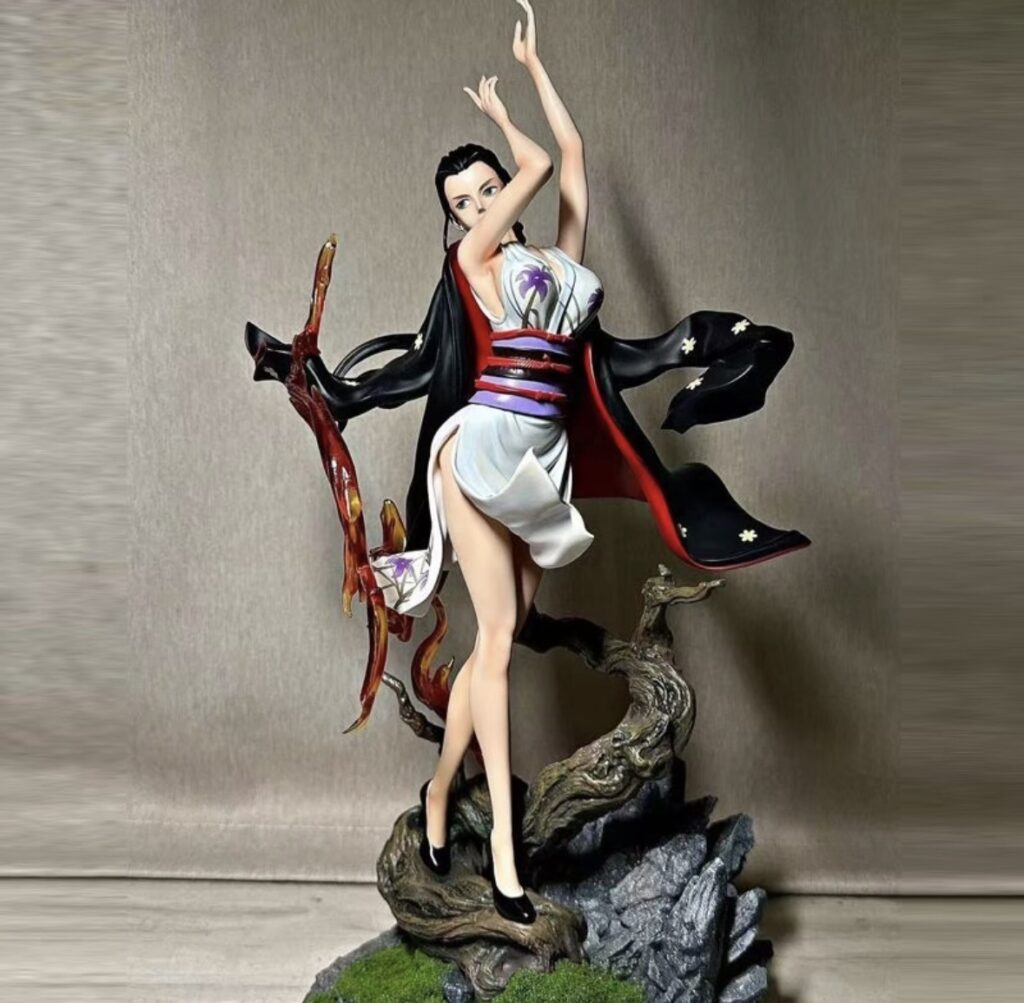
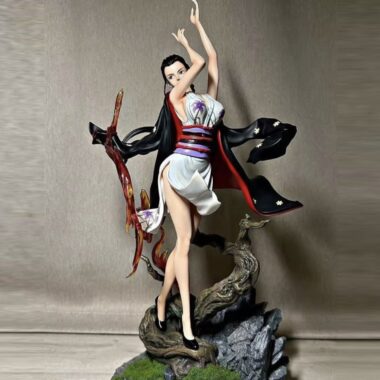
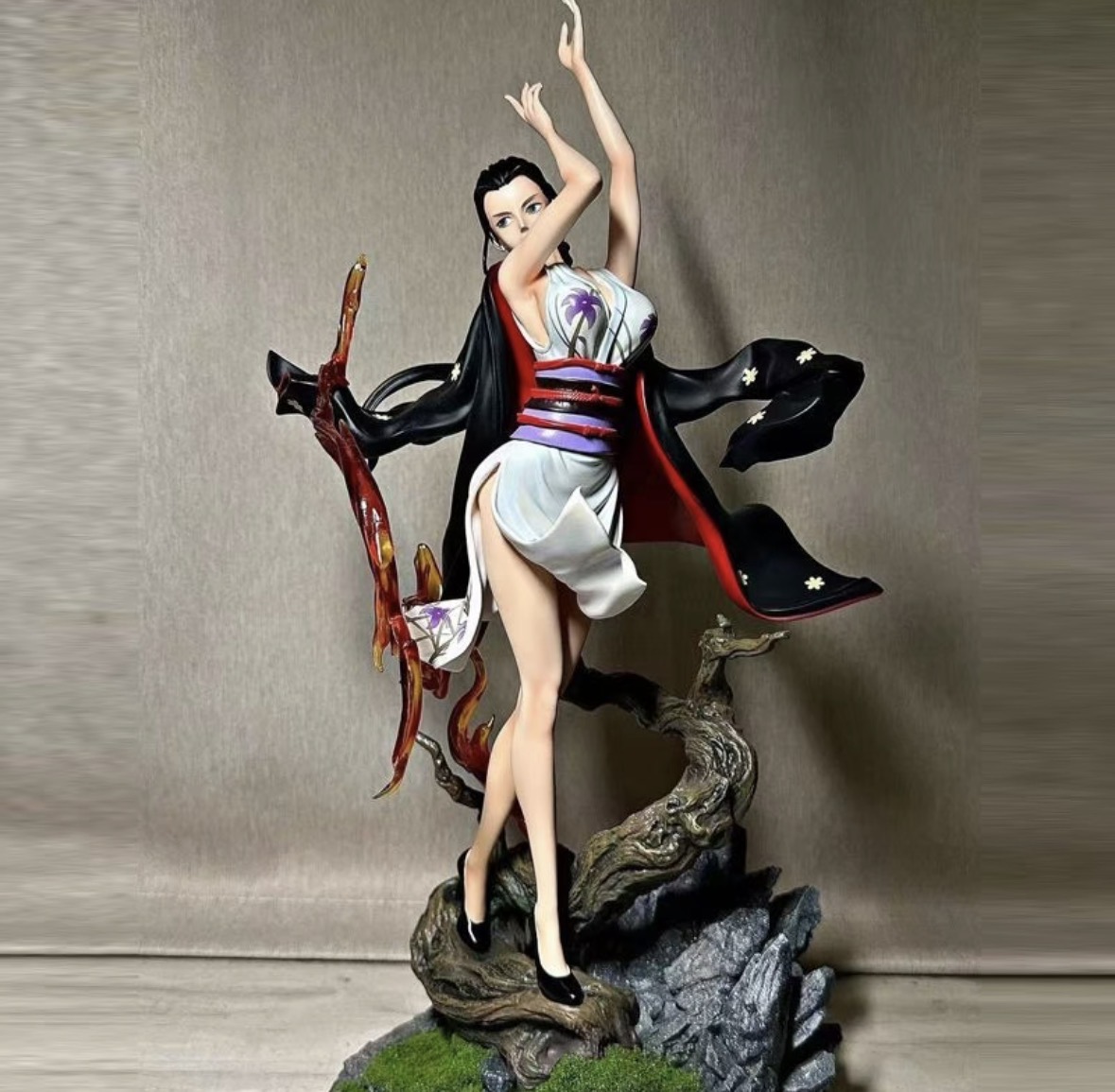
Nico Robin Figure One Piece Wano Country Arc Custom sculpture dynamic dancing pose geisha outfit
Nico Robin stands in a graceful dancing pose with her arms raised high and her body arched in a fluid motion. She is positioned dynamically…
View Product →The acquisition of a custom sculpture, particularly one as specific as the “Nico Robin Figure One Piece Wano Country Arc Custom sculpture dynamic dancing pose geisha outfit,” transcends the typical consumer transaction. Unlike mass-produced figures from established manufacturers, custom pieces introduce a multitude of nuanced variables that first-time buyers, or even experienced collectors accustomed to official releases, frequently overlook. The inherent uniqueness of a custom sculpture means there is no standardized benchmark for quality, material consistency, or after-sales support. Buyers are often navigating a landscape defined by individual artistry, variable production methods, and an absence of formal warranties or quality control certifications.
Hidden variables include the sculptor’s specific interpretation of the character, which may deviate from official designs in subtle yet significant ways, impacting perceived authenticity. Material choices, often resin, can vary dramatically in quality, density, and susceptibility to environmental factors like UV degradation or brittleness—issues rarely encountered with PVC mass-market items. Furthermore, the provenance of the piece—whether it’s an original sculpt, a recast, or a derivative work—can profoundly affect its artistic integrity, legality, and long-term value. Shipping and handling for delicate, often unboxed custom pieces also present unique challenges, with potential for damage far exceeding that of factory-packaged products. Understanding these complexities is paramount to making an informed and ultimately satisfying investment.
The Critical Evaluation Framework
Performance Specifications That Actually Matter
For a custom sculpture, “performance specifications” are not about processing power or battery life, but rather about the artistic and physical execution of the piece. The primary specification is Artistic Fidelity and Interpretation. Does the sculpture effectively capture Nico Robin’s essence, particularly within the specified Wano Country Arc geisha context? This involves evaluating the facial expression—serene and focused as described—and its alignment with the character’s personality. The “dynamic dancing pose” must convey grace, balance, and a sense of rhythmic motion. Assess the fluidity of the pose, the anatomical correctness (even within a stylized art form), and how effectively the geisha outfit’s fabric folds and flow contribute to the sense of movement. A critical eye will discern if the pose feels natural and energetic, or stiff and contrived.
Beyond artistic merit, Physical Dimensions and Scale are crucial. While not always explicitly stated, understanding the height, width, and depth provides context for display. Is the stated scale (e.g., 1/6, 1/4) accurately represented? Discrepancies can affect how it integrates with an existing collection. Weight can indicate material density and stability, particularly for a dynamic pose on a “rugged naturalistic base.” A heavier base generally suggests better stability. Finally, if the piece is part of a Limited Edition, the stated edition size and numbering (if applicable) are critical specifications affecting its exclusivity and potential future value. However, for custom pieces, “limited edition” claims must be scrutinized, as verification can be challenging.
Build Quality and Material Science Considerations
The build quality of a custom sculpture is a direct reflection of the sculptor’s and painter’s skill. Key areas for inspection include Sculpting Crispness and Detail Resolution. Examine the sharpness of edges, the intricacy of details on the geisha outfit (patterns, folds), and the precision of the facial features. A high-quality sculpt will exhibit clean lines and well-defined elements. Seam Lines and Part Fitment are critical indicators; ideally, there should be minimal to no visible seams where parts are joined, and all components should fit together perfectly without gaps or misalignment.
Paint Application is often the most visible aspect of quality. Look for smooth, even coats without brushstrokes, dust specks, or overspray. Shading and highlights should be applied skillfully to enhance depth and form, particularly on the outfit and skin tones. The eyes, being central to the character’s expression, demand meticulous detail. Any bleeding between colors or inconsistent finishes (e.g., patchy gloss or matte areas) indicates lower quality.
From a material science perspective, most custom figures are made from polyurethane (PU) resin. High-quality resin is dense, smooth, and resistant to minor impacts, though still brittle compared to PVC. Lower-grade resins can be more prone to yellowing over time, especially when exposed to UV light, or may contain air bubbles that compromise structural integrity. For the “rugged naturalistic base,” understanding if it’s solid resin, hollow, or a composite material can inform expectations regarding its stability and durability. The type of paint used (e.g., acrylics, enamels) and the protective clear coat (matte, semi-gloss, gloss) also influence the figure’s long-term appearance and resistance to wear and environmental factors. A well-applied clear coat protects the paint and provides a consistent finish.
Ecosystem Compatibility and Long-Term Software Support
Given this is a custom physical sculpture, “ecosystem compatibility” and “long-term software support” must be interpreted metaphorically.
Ecosystem Compatibility refers to how the figure integrates into a collector’s existing display environment.
1. Scale Compatibility: Does the figure’s scale (e.g., 1/6, 1/4) align with other figures in your collection, particularly other One Piece characters? While custom pieces often stand alone, consistency in scale enhances a display.
2. Display Requirements: The “dynamic dancing pose” and “rugged naturalistic base” suggest a potentially significant footprint. Does your display space (shelf, cabinet) accommodate its dimensions and weight? Does the pose require specific viewing angles to be appreciated fully? Consider if the figure’s aesthetic (geisha outfit) complements the overall theme or style of your collection.
3. Environmental Compatibility: Resin figures are susceptible to direct sunlight (UV damage causing yellowing or paint fading) and extreme temperature fluctuations. Will your display environment protect the figure from these elements? Dust accumulation is also a factor, requiring careful cleaning techniques to avoid damaging delicate paintwork.
Long-Term Support for a custom sculpture translates to its longevity, maintenance, and the availability of any post-purchase assistance.
1. Durability and Longevity: How well is the figure expected to hold up over time? High-quality materials and craftsmanship contribute significantly to this. Resin, while durable, can be brittle. Understanding the sculptor’s reputation for material selection and construction methods is key.
2. Maintenance: Custom figures often require more delicate handling and cleaning than mass-produced PVC items. Are there specific cleaning instructions? What are the risks associated with dusting or moving the figure?
3. After-Sales Support (Limited): Unlike mass-market products, custom sculptors rarely offer warranties or formal repair services. Any issues upon arrival typically rely on the good faith of the individual artist or seller. Clarify this before purchase. Is there a channel for communication if parts are damaged during shipping or if paint flaws are discovered? The absence of formal “software updates” means the figure is a static, finished piece; its aesthetic and physical state are fixed at the time of purchase. Any future “support” would be in the form of careful preservation by the owner.
Dissecting the Budget Tiers
The custom figure market does not adhere to the same budget tier definitions as mass-produced electronics or appliances. Instead, pricing is heavily influenced by the sculptor’s reputation, complexity of the sculpt, material costs, and paint application intricacy.
Entry-Level: What You Sacrifice and What You Gain
An “entry-level” custom Nico Robin figure, likely in the lower hundreds to perhaps $400-$500 range, typically comes with a series of compromises. What you sacrifice often includes:
* Sculpting Intricacy: Simpler poses, less detailed outfits, and less refined facial expressions. The “dynamic dancing pose” might be less fluid or anatomically convincing.
* Material Quality: The resin used might be of a lower grade, more prone to air bubbles, yellowing, or brittleness. The base might be less elaborate or solid.
* Paint Application: Less sophisticated shading, fewer subtle color transitions, and a higher likelihood of minor flaws like visible brushstrokes, overspray, or less precise detail work. Quality control might be inconsistent.
* Artist Reputation: The sculptor may be less established, with a smaller portfolio or fewer positive reviews.
* Provenance: There’s a higher risk of acquiring a lower-quality recast of an original design, which can have legal and ethical implications, as well as inferior material and paint quality.
What you gain, however, is accessibility. These figures allow collectors to own a unique interpretation of a character without the significant financial outlay of premium pieces. They can serve as a starting point for exploring the custom market and understanding personal preferences before committing to higher-tier investments. They may also be smaller in scale, fitting more easily into limited display spaces.
Mid-Range: The Engineering Sweet Spot Explained
The “engineering sweet spot” for custom figures, typically ranging from $500 to $1000+, represents a robust balance between artistic excellence, material quality, and value. This tier is often where experienced independent sculptors, who have honed their craft and established a positive reputation, operate.
* Enhanced Sculpting: Figures in this range often exhibit a high degree of detail, complex and dynamic poses (like the specified dancing pose), and expressive, nuanced facial features. The artist has likely invested significant time into refining the sculpt.
* Superior Material Science: Expect higher-grade, denser resin with fewer imperfections. Bases are often more intricately designed and robust, contributing to overall stability and aesthetic appeal.
* Professional Paint Application: This is where the mid-range truly shines. Paintwork is typically executed by skilled artists, featuring smooth finishes, sophisticated shading, precise detail painting, and appropriate clear coats. The figure achieves a lifelike or highly stylized finish that elevates it beyond mere toy status.
* Proven Reputation: Sculptors in this tier usually have a verifiable track record, active social media presence, and positive reviews from a community of collectors, offering a degree of assurance regarding quality and reliability.
* Originality: While still custom, these pieces are generally original designs or faithful interpretations, rather than direct copies of other custom works.
Purchasing in the mid-range often provides the most satisfying experience for collectors seeking high-quality craftsmanship without venturing into the extreme upper echelons of the market. The balance of cost and quality is demonstrably superior, offering significant artistic and material value.
Premium: When the Price Premium Is Justified by Data
Premium custom sculptures, often exceeding $1000 and potentially reaching several thousands, occupy the pinnacle of the custom figure market. The price premium in this tier is justified by several key factors:
* Master-Level Artistry and Exclusivity: These pieces are typically from highly renowned sculptors or studios known for their exceptional talent, innovative designs, and meticulous execution. They may be extremely limited in production, sometimes even one-of-a-kind, significantly increasing their exclusivity and collectibility.
* Unparalleled Detail and Complexity: Premium figures often feature incredibly intricate sculpts, highly complex poses that defy typical manufacturing constraints, and an extraordinary level of detail, including elaborate accessories, mixed media elements (e.g., real fabric, LED lighting), or larger scales (e.g., 1/3, 1/2) that demand more material and labor. The “dynamic dancing pose” for Nico Robin would be executed with breathtaking fluidity and anatomical precision.
* Flawless Build Quality and Material Purity: Expect the highest grade of resin, meticulously cast to be free of air bubbles or imperfections. The build quality is virtually flawless, with invisible seams and robust construction designed for longevity.
* Museum-Quality Paint Application: The paintwork is executed by master painters, often involving multiple layers of subtle gradients, intricate freehand details, and sophisticated weathering or textural effects that bring the character to life. The finish is consistently perfect across the entire piece.
* Investment Potential: While not guaranteed, premium custom pieces from established artists can appreciate in value due to their rarity, artistic merit, and the sculptor’s growing reputation. This is a speculative justification but relevant to a segment of the collector market.
The data justifying the premium price lies in the measurable superiority of craftsmanship, artistic vision, material integrity, and the often-verified pedigree of the artist. These are not merely figures but pieces of art, demanding a price commensurate with their exceptional quality and uniqueness.
Common Buyer Mistakes — and How to Avoid Them
Nico Robin Figure One Piece Wano Country Arc Custom sculpture dynamic dancing pose geisha outfit
Nico Robin stands in a graceful dancing pose with her arms raised high and her body arched in a fluid motion. She is positioned dynamically…
View Product →Specification Traps That Look Good on Paper
The custom figure market is ripe with “specification traps” that can mislead buyers if not critically analyzed.
1. “Hand-Painted” as a Guarantee of Quality: While custom figures are inherently hand-painted, this term alone does not guarantee high quality. A poorly executed hand paint job can be worse than a machine-finished one. Focus on visual evidence of skill: smooth gradients, crisp lines, consistent finishes, and attention to detail, rather than just the “hand-painted” label.
2. Exaggerated Dimensions: Some sellers might round up dimensions or provide measurements that include extreme angles, making a figure seem larger than its practical display size. Always ask for precise height, width, and depth measurements, preferably to the highest point and widest point of the sculpt itself, excluding the base if it’s detachable, and consider how that translates to your display space.
3. “Limited Edition” Without Verification: For custom pieces, “limited edition” claims can be difficult to verify. Without a reputable studio or established community tracking releases, such claims can be marketing fluff. Ask for edition numbers, certificates of authenticity (if offered), and research the artist’s past releases to gauge the veracity of the claim.
4. Material Ambiguity: Simply stating “resin” is insufficient. There are various grades and types of resin. While specifics might be hard to get, look for signs of quality: smooth surfaces, lack of visible internal bubbles, and a substantial weight. Be wary of terms like “high-quality plastic” which might mask cheaper materials.
5. Focusing Only on Pose: The “dynamic dancing pose” is a key feature, but don’t let its visual appeal overshadow other aspects. A dynamic pose can be incredibly fragile if not engineered and constructed properly. Inquire about the stability of the figure, particularly at connection points and where gravity might exert stress.
Marketing Language vs Measurable Performance Differences
Distinguishing between persuasive marketing language and tangible, measurable performance differences is crucial for objective evaluation.
1. Subjective Adjectives vs. Objective Flaws: Terms like “stunning,” “breathtaking,” or “masterpiece” are subjective marketing language. Instead, look for measurable attributes: Is the paint application consistent? Are there visible seam lines? Is the figure stable on its base? Are the details crisp? A “stunning” figure with visible glue residue or a crooked limb is not a good purchase.
2. Prototype vs. Production Photos: Many custom sculptors display highly polished prototype photos, which may feature superior paint application, perfectly smooth surfaces, or even different materials than the final production piece. Always request photos of the actual product you will receive or at least production samples, not just the initial prototype. This helps manage expectations regarding the final quality.
3. “Exclusive” vs. Truly Unique: “Exclusive” can mean many things. Is it exclusive to a specific seller? A specific region? Or is it a truly unique, one-of-a-kind piece? Understand the scope of the exclusivity. A truly unique sculpt from a renowned artist offers a different value proposition than a piece that is simply exclusive to one online storefront.
4. Price as the Sole Indicator of Quality: While price often correlates with quality, it’s not a definitive metric. An overpriced custom figure can still have flaws, especially if the seller is taking a significant markup or the sculptor is unproven. Conversely, a reasonably priced piece from a talented, lesser-known artist can be a hidden gem. Compare the visual evidence and artist’s reputation against the asking price.
The Decision Framework: Matching Product to Buyer Profile
Questions to Clarify Before Committing
Before making a significant investment in a custom Nico Robin sculpture, a series of targeted questions can provide clarity and mitigate risk.
1. Artist and Provenance: Who is the sculptor and painter? Can they provide a portfolio or social media links to their other works? Is this an original sculpt, or a recast/derivative work? Understanding the piece’s origin is critical for ethical and quality considerations.
2. Materials Used: What specific type of resin is used (e.g., PU resin)? What are the paints and clear coats? This impacts durability, finish, and potential for degradation over time.
3. Dimensions and Weight: Request precise measurements (height, width, depth) including and excluding the base, and an approximate weight. This is essential for display planning and shipping cost estimation.
4. Production Method: Is the figure molded and cast, or entirely hand-sculpted? Is it a single solid piece or composed of multiple parts? This affects potential seam lines and structural integrity.
5. Final Product Photos: Can the seller provide current, high-resolution photos of the exact figure being sold, or at least a recent production batch, not just prototype images? Request photos from multiple angles, close-ups of the face, hands, and intricate outfit details.
6. Shipping Details: What are the shipping costs, estimated delivery time, and the packaging method? Is insurance included? How will the delicate figure be protected?
7. Return and Damage Policy: What is the policy if the figure arrives damaged, or if there are significant quality discrepancies from what was advertised? Is there a timeframe for reporting issues? Custom items often have stricter return policies.
8. Maintenance and Care: Are there specific recommendations for cleaning, display conditions, or long-term preservation?
Red Flags to Watch for in Product Listings
Vigilance is key when evaluating custom figure listings. Certain indicators should prompt immediate caution:
* Generic or Stock Photos: If the listing uses stock images, photos clearly taken from another artist’s work, or highly edited promotional renders without any actual product photos, it’s a significant red flag. This can indicate a scam, a low-quality recast, or a seller hiding flaws.
* Lack of Specifics: Listings that are vague about materials, dimensions, artist, or production methods suggest a lack of transparency or knowledge on the seller’s part.
* Unrealistically Low Prices: A custom, highly detailed Nico Robin figure in a dynamic pose for a fraction of the typical market price (e.g., under $200) is almost certainly indicative of a very low-quality recast, a bootleg, or a scam. High-quality custom work demands significant time and resources.
* Poorly Written Descriptions or Communication: Numerous grammatical errors, awkward phrasing, or a general lack of professionalism in the listing or during communication can be a warning sign of an unreliable seller.
* No Artist Attribution or Portfolio: For custom pieces, the artist’s reputation is paramount. If there’s no mention of the sculptor or painter, or no way to verify their work, proceed with extreme caution.
* Vague or Non-Existent Return/Refund Policies: A seller unwilling to clearly state their policy regarding damages or dissatisfaction is a major risk.
* Claims of “Official” Status for Custom Pieces: Unless explicitly stated and verifiable through a reputable license holder, a “custom sculpture” is, by definition, unofficial. Claims of official status are usually false and designed to mislead.
Final Checklist Before Purchase
Before finalizing your purchase, run through this comprehensive checklist to ensure you’ve covered all bases:
* Visual Confirmation: Have you seen high-resolution photos of the actual figure you will receive, from multiple angles, confirming its quality and condition?
* Artist Verification: Is the sculptor/painter reputable, with a verifiable portfolio and positive community feedback?
* Material Understanding: Do you understand the materials used (resin type, paints) and their implications for durability and care?
* Dimensional Fit: Have you confirmed the figure’s exact dimensions and ensured it fits your intended display space?
* Total Cost Clarity: Have you accounted for the item price, shipping costs, potential import duties, and taxes?
* Shipping Security: Are the packaging method and shipping insurance adequate for a delicate, high-value custom item?
* Return Policy Acknowledged: Do you fully understand the seller’s return, refund, and damage policies, especially for custom goods?
* Authenticity Check: Are you confident in the piece’s provenance (original sculpt vs. recast) and its ethical standing?
* Expectation Alignment: Are your expectations for quality, detail, and finish realistic for the specific budget tier and artist you are considering?
* Payment Security: Are you using a secure payment method that offers buyer protection?
By meticulously addressing each point in this guide, consumers can navigate the complexities of purchasing a custom Nico Robin figure, transforming a potentially risky acquisition into a satisfying and informed investment in a unique piece of art.