Why This Purchase Decision Is More Complex Than It Appears

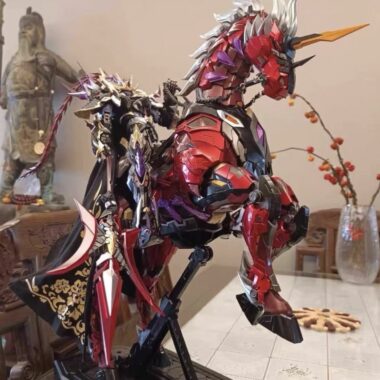
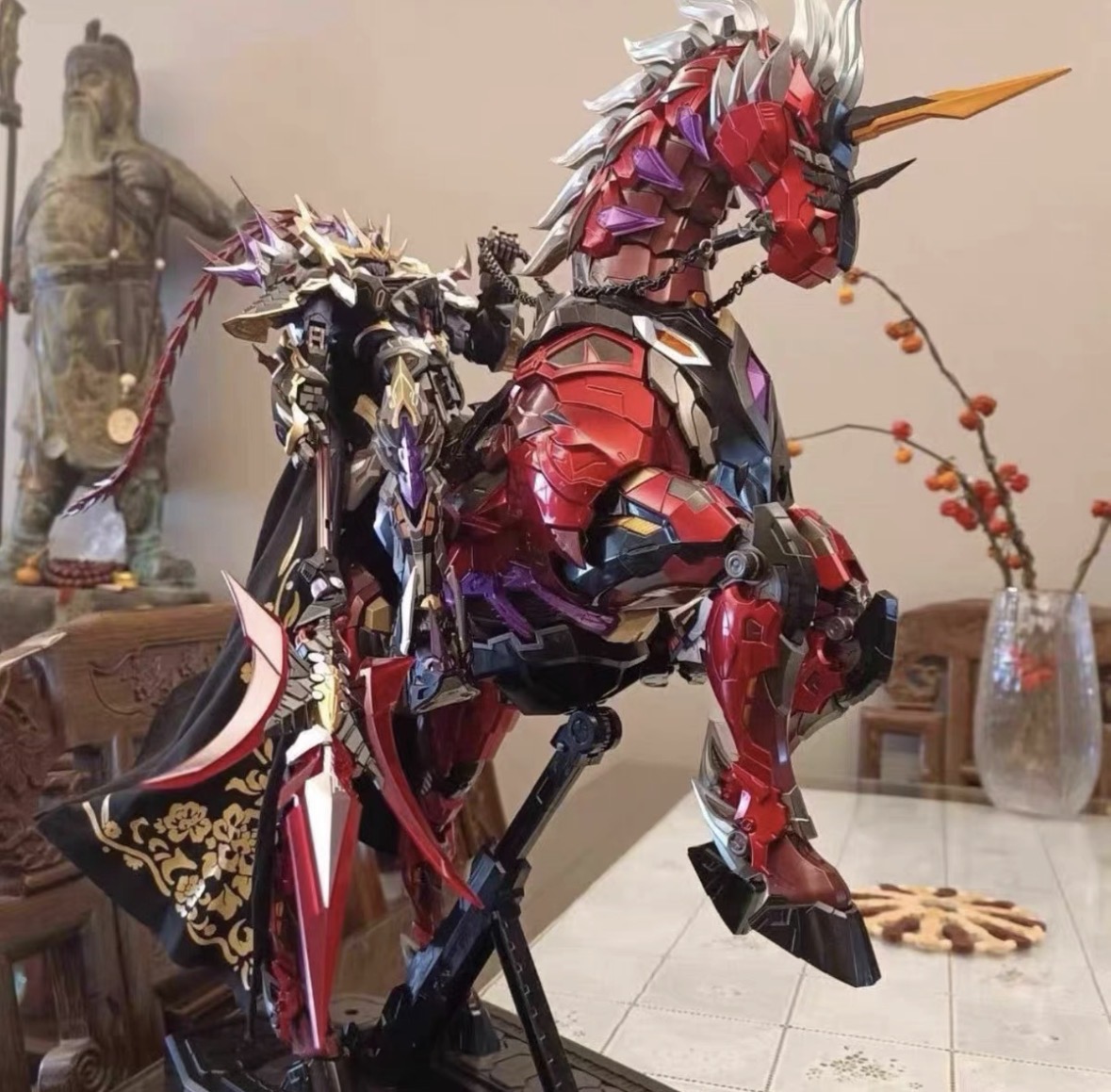
Gundam Figure Comics SD Gundam World Heroes Custom Sculpture Rearing Horse Pose
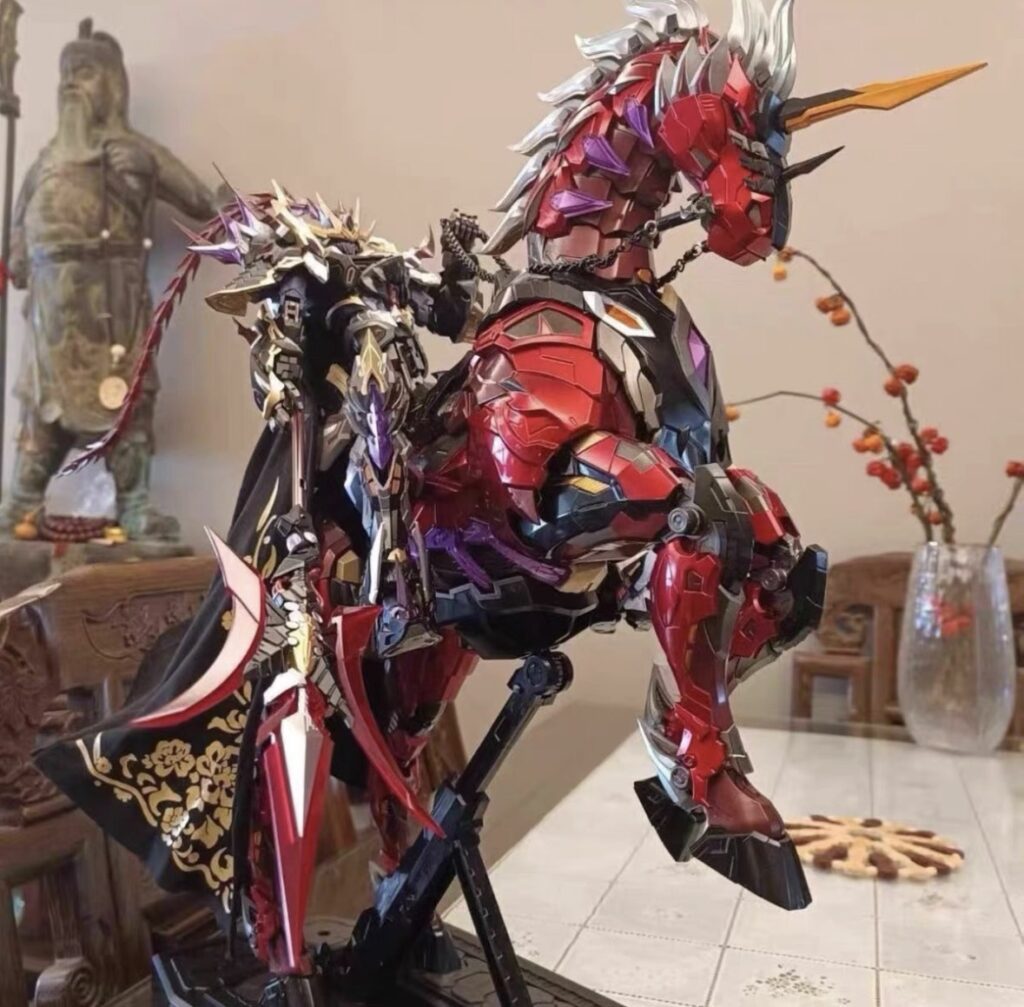
The Gundam figure is displayed in a dynamic rearing pose while mounted on a mechanical red unicorn horse. The rider sits firmly in the saddle…
View Product →Acquiring a “Gundam Figure Comics SD Gundam World Heroes Custom Sculpture Rearing Horse Pose” is a significantly more intricate endeavor than purchasing a standard, mass-produced action figure or model kit. The term “custom sculpture” immediately elevates the transaction beyond the typical consumer product cycle, introducing a multitude of variables that first-time buyers frequently overlook. Unlike items manufactured in a controlled factory environment with consistent quality assurance, custom sculptures often originate from individual artists, small studios, or garage kit communities. This means there is no universal standard for material composition, casting quality, paint application, or structural integrity.
The nuances extend to provenance and authenticity; distinguishing between an original artist’s work, a licensed product (if such a custom piece were officially sanctioned, which is rare), or an unauthorized reproduction requires diligence. Furthermore, the inherent fragility of many custom materials, particularly resin, necessitates careful consideration of shipping, handling, and long-term display conditions. Buyers must also contend with the subjective nature of “value” in the collectibles market, where artist reputation, rarity, and the quality of bespoke craftsmanship heavily influence price, often without transparent, data-driven comparisons readily available for mass-market goods. Understanding these underlying complexities is the first step toward making a truly informed and satisfactory purchase.
The Critical Evaluation Framework
Performance Specifications That Actually Matter
When evaluating a custom sculpture such as the SD Gundam World Heroes Rearing Horse Pose, traditional “performance specifications” must be reinterpreted to focus on attributes relevant to static display pieces. The primary considerations revolve around physical characteristics and artistic execution.
Firstly, Scale and Dimensions are paramount. While “SD” (Super Deformed) implies a specific stylistic proportion, the actual physical size can vary significantly between custom pieces. A larger sculpture naturally commands more presence and often allows for finer detail, but also requires substantial display space and can be more prone to damage during transport. Accurate measurements (height, width, depth) should be sought, ideally in relation to a known object for context. A sculpture that is too large for its intended display area or too small to adequately convey its intricate details can lead to buyer’s remorse.
Secondly, the Material Composition is a critical specification. Most custom sculptures are crafted from resin (polyurethane resin being common), though some might incorporate PVC, ABS, or even metal components for specific parts. Resin offers exceptional detail capture and a satisfying weight, but it is inherently brittle and susceptible to warping under heat. PVC and ABS are more durable and flexible but typically cannot achieve the same level of crisp detail as resin. Understanding the primary material dictates expectations for durability, weight, and handling requirements.
Thirdly, Paint Application and Finish Quality are central to the sculpture’s visual impact. Since these are often hand-painted, consistency and technique vary wildly. Key specifications include the sharpness of paint lines, the smoothness of gradients (if applicable), the uniformity of color, and the absence of brush strokes, dust inclusions, or overspray. The finish (matte, semi-gloss, full gloss, metallic) should be consistent with the intended aesthetic and evenly applied. A high-quality paint job enhances the sculpture’s realism and perceived value, while a poor one can detract significantly.
Lastly, Sculptural Accuracy and Pose Dynamics are subjective yet critical. The description mentions a “magnificent and commanding pose” with the horse “rearing back on its hind legs.” The specification here is how effectively the artist has translated this dynamic action into a static form. This includes the anatomical correctness (within the SD style) of the horse, the balance and tension conveyed by the rider’s posture, and the overall dramatic impact of the scene. Details like the firm grasp on the reins and the warrior’s body language must be clearly articulated through the sculpt. A static piece must still convey motion and emotion, and the success of this interpretation is a key “performance” indicator. The stability of the pose, ensuring the sculpture can stand securely without risk of toppling, is also a practical performance aspect.
Build Quality and Material Science Considerations
The “build quality” of a custom sculpture is fundamentally tied to the craftsmanship and the intrinsic properties of its materials. This is where the difference between a high-end collectible and a poorly executed piece becomes most apparent.
Casting Quality is paramount for resin sculptures. High-quality resin casts will exhibit minimal seam lines, which are typically found where mold halves meet. Ideally, these lines should be almost imperceptible or expertly removed by the sculptor during preparation. The absence of air bubbles (pinholes) on the surface is another crucial indicator; these flaws are difficult to fully repair and detract from the finish. Warping, particularly in thin or elongated parts, can occur if the resin is not properly cured or handled after demolding. Inspecting for these imperfections provides direct insight into the care taken during the initial production phase.
Assembly Precision refers to how well individual components fit together. Custom sculptures, especially those with complex poses like a rearing horse, often consist of multiple parts glued or pinned together. A high-quality assembly will show no visible gaps between parts, and all elements will align perfectly as intended by the sculptor. Misaligned limbs, an uneven base, or poorly integrated accessories are clear signs of substandard assembly. The strength of the adhesive and any internal pinning used to reinforce critical joints (like the horse’s legs to the base, or the rider to the horse) are also important, though often not visible.
Paint Durability and Adhesion are long-term considerations. The quality of the primer, paint, and clear coat dictates how well the finish will withstand environmental factors and minor handling. A well-applied paint job will adhere firmly to the material, resisting chipping, flaking, or scratching under normal conditions. The clear coat, whether matte or gloss, should provide an even protective layer without clouding, yellowing, or developing a tacky feel over time. Inferior paints or preparation can lead to rapid degradation of the visual appeal.
Material Longevity is another critical aspect of material science. Resin, while excellent for detail, can be susceptible to UV degradation, leading to yellowing or brittleness over many years, particularly if exposed to direct sunlight. PVC and ABS are generally more stable but can also degrade or become brittle with extreme temperature fluctuations or prolonged UV exposure. Understanding the material’s inherent properties allows for appropriate display conditions and care. Furthermore, the stability of any integrated metal components (e.g., chains, pins) against corrosion or fatigue should be considered.
Finally, the Surface Finish contributes significantly to the perceived quality. This includes not just the paint, but also any textural elements sculpted into the piece (e.g., fabric folds, metallic sheen on armor, musculature of the horse). A truly high-quality sculpture will exhibit nuanced surface treatments that enhance realism and visual interest, demonstrating mastery over both the sculpting medium and the chosen paint techniques.
Ecosystem Compatibility and Long-Term Software Support
For a static custom sculpture, “Ecosystem Compatibility” and “Long-Term Software Support” must be reinterpreted to address its place within a collection and its enduring value.
Display Ecosystem Integration refers to how seamlessly the sculpture fits into a collector’s existing display strategy or collection theme. Given it’s an “SD Gundam World Heroes” piece, its compatibility primarily concerns its aesthetic coherence with other figures from the same line or similar SD-style collectibles. Considerations include scale consistency (even among SD figures, there can be variances), color palette, and overall artistic style. A buyer should consider if the rearing horse pose complements or clashes with other display pieces. Does it fit within existing display cases, or will it require a dedicated space? The base of the sculpture is also part of this ecosystem; is it plain, thematic, or designed to interlock with other bases? While not “software,” the physical display environment is the “ecosystem” for such an item.
The concept of “Long-Term Software Support” is entirely inapplicable to a static sculpture. Instead, this section should focus on Long-Term Value Retention and Collectibility. This involves several factors:
- Authenticity and Provenance: For a “custom sculpture,” verifying its origin is crucial. Is it an original work by a recognized artist or studio? Is it a professionally finished garage kit? Or is it an unauthorized reproduction (a “bootleg”)? Original pieces by reputable sculptors or studios tend to retain and appreciate in value, especially if they are limited editions. Documentation, such as certificates of authenticity, artist signatures, or production numbers, significantly enhances long-term value. Without clear provenance, the long-term collectibility and resale value are highly speculative.
- Artist/Studio Reputation: The standing of the artist or studio in the collectibles community directly impacts a custom piece’s long-term appeal. Works by renowned sculptors known for their attention to detail and quality command higher prices and tend to be more sought after over time. Researching the creator’s past works and reputation within the Gundam or general anime figure community is a wise investment of time.
- Rarity and Edition Size: Limited edition runs, clearly numbered and documented, typically hold value better than mass-produced items or pieces with an unknown production quantity. For custom sculptures, even a single-piece commission can be considered “rare.” This rarity, combined with high quality, contributes significantly to its long-term market appeal.
- Condition: Like any collectible, the long-term value is heavily dependent on the sculpture’s condition. Pristine condition, free from dust, fading, chips, or breaks, is essential. This underscores the importance of proper display, handling, and environmental control from the moment of purchase.
- Market Trends: While difficult to predict, understanding broader trends in the Gundam collectibles market and the niche for SD figures can provide some insight. Popularity of specific series (like SD Gundam World Heroes) or iconic poses can influence future demand.
In essence, “ecosystem compatibility” is about physical integration and aesthetic harmony, while “long-term software support” translates to the enduring market relevance, authenticity, and condition that define a collectible’s sustained value.
Dissecting the Budget Tiers
The pricing of a “Gundam Figure Comics SD Gundam World Heroes Custom Sculpture Rearing Horse Pose” is highly variable due to its “custom” nature. Unlike mass-produced items with established MSRPs, custom pieces are priced based on factors like artist reputation, material costs, labor intensity, and perceived market value. We can generally categorize them into three tiers, each offering a distinct balance of quality, effort, and investment.
Entry-Level: What You Sacrifice and What You Gain
At the entry-level, typically ranging from a few hundred to potentially a thousand dollars, buyers are often looking at either unpainted garage kits, simpler custom commissions, or less detailed third-party offerings.
What You Sacrifice:
* Finished Quality: Unpainted garage kits require significant time, skill, and specialized tools for assembly, sanding, priming, and painting. If you lack these, you’re sacrificing a professional finish. Simpler commissions might have less intricate paintwork or fewer complex details.
* Material Quality Consistency: Entry-level resin kits might have more casting imperfections (bubbles, seam lines, warping) that require extensive cleanup. The resin itself might be of a lower grade, potentially more brittle or prone to yellowing over time.
* Artist Reputation/Provenance: These pieces are less likely to come from highly renowned sculptors or studios, meaning less assurance of consistent quality and potentially lower long-term collectibility.
* Complexity: The “rearing horse pose” is inherently complex. An entry-level piece might simplify the sculpt, leading to less dynamic action or fewer intricate details on the rider and horse.
What You Gain:
* Lower Initial Cost: This is the primary advantage, making custom figures accessible to a wider audience.
* Customization Potential (for kits): If you’re skilled, an unpainted kit offers the ultimate canvas for personalizing the color scheme, weathering, and detailing to your exact preferences.
* Learning Experience: For hobbyists, assembling and painting a garage kit is a rewarding challenge that builds valuable skills.
* Unique Ownership: Even at this tier, you’re acquiring a piece that is far less common than mass-produced figures.
This tier is best suited for experienced modelers, hobbyists who enjoy the building process, or collectors with a limited budget who prioritize uniqueness over pristine, professional-level finish.
Mid-Range: The Engineering Sweet Spot Explained
The mid-range, typically spanning from roughly $1,000 to $3,000+, represents a significant step up in quality and often provides the best balance of craftsmanship, detail, and value. This tier often includes professionally finished garage kits (commissioned from skilled painters), smaller-scale resin statues from reputable independent studios, or more intricate custom commissions.
The Engineering Sweet Spot Explained:
* Professional Finish: The most significant gain here is a professionally assembled and painted piece. The “engineering” comes in the skilled application of paint, precise assembly, and meticulous cleanup of casting flaws. Seam lines are minimized, paint application is smooth and consistent, and details are crisply rendered. This means the buyer receives a display-ready piece that immediately meets high aesthetic standards.
* Improved Material and Casting Quality: Mid-range offerings usually benefit from better quality resin casting, resulting in fewer imperfections and greater structural integrity. The materials chosen are generally more robust and less prone to common issues like warping.
* Enhanced Detail and Dynamics: Artists and studios operating in this tier can dedicate more time to intricate sculpting and painting, ensuring that the “rearing horse pose” is highly dynamic, detailed, and visually compelling. The subtle nuances of the rider’s posture, the horse’s musculature, and the flow of the reins are typically well-executed.
* Reputable Creators: Many mid-range pieces come from established independent artists or smaller studios with a track record of quality work within the collector community. While not always globally famous, their reputation provides a level of assurance regarding craftsmanship.
* Strong Value Proposition: For many collectors, the mid-range offers the most compelling return on investment. You’re paying for significant artistic skill and material quality without reaching the often exponential price increases seen at the premium tier for marginal gains. The blend of professional execution and reasonable cost creates a “sweet spot” where quality and budget align.
This tier is ideal for serious collectors who want a high-quality, display-ready custom piece without breaking the bank, and who value the craftsmanship of skilled artisans.
Premium: When the Price Premium Is Justified by Data
The premium tier, typically starting above $3,000 and potentially reaching several thousand dollars, is where buyers encounter large-scale, highly detailed, limited-edition resin statues from renowned studios, or bespoke commissions from highly sought-after master sculptors.
When the Price Premium Is Justified by Data:
* Unrivaled Detail and Scale: Premium pieces often boast larger scales, allowing for an astonishing level of minute detail that simply isn’t feasible on smaller figures. Every rivet, fabric fold, and facial expression is rendered with extreme precision. The “rearing horse pose” would be executed with breathtaking realism and dynamic energy, often incorporating complex textures and multi-layered paint applications.
* Master-Level Craftsmanship: The sculptors and painters at this level are often recognized as masters of their craft. Their work exhibits flawless casting, invisible seam lines, and museum-quality paint application that can include complex weathering, lighting effects, and intricate blending techniques that elevate the piece to fine art. The “data” here is the consistent, verifiable track record of award-winning work and critical acclaim.
* Exclusivity and Rarity: Premium pieces are almost always produced in extremely limited editions, often numbered and accompanied by certificates of authenticity, artist signatures, and detailed provenance. This scarcity is a key driver of their high market value and long-term collectibility.
* Premium Materials and Engineering: Beyond standard resin, premium pieces might incorporate mixed media, such as real metal chains, fiber optics for lighting effects, or specialized transparent resins. The internal engineering for structural support in complex poses is often sophisticated, ensuring stability and longevity for large, heavy sculptures.
* Investment Potential: While no collectible is a guaranteed investment, premium pieces from established creators with strong secondary market demand are most likely to appreciate in value over time, provided they are kept in pristine condition. The historical sales data for similar works by the same artists or studios often supports this premium.
* Artistic Vision and Innovation: At this level, sculptors often push the boundaries of what’s possible, presenting unique interpretations or groundbreaking techniques that become benchmarks in the industry. The “data” here is the innovation and influence the piece has within the collecting community.
This tier is for the discerning collector who demands the absolute pinnacle of artistic and technical execution, views the purchase as a significant investment, and has the budget and display space to accommodate a truly monumental piece. The price premium is justified by quantifiable improvements in craftsmanship, verified rarity, and the established reputation of the creator.
Common Buyer Mistakes — and How to Avoid Them
Gundam Figure Comics SD Gundam World Heroes Custom Sculpture Rearing Horse Pose
The Gundam figure is displayed in a dynamic rearing pose while mounted on a mechanical red unicorn horse. The rider sits firmly in the saddle…
View Product →Navigating the market for custom figures like the SD Gundam World Heroes Rearing Horse Sculpture can be fraught with pitfalls. Awareness of common mistakes is crucial for a successful purchase.
Specification Traps That Look Good on Paper
One prevalent mistake is falling for unverified or ambiguous specifications. A seller might list “high-quality resin” or “expertly hand-painted” without providing any objective evidence.
* How to Avoid: Demand specific details. Ask for the type of resin (e.g., polyurethane, GK resin), the specific scale (e.g., 1/100, 1/60 for Gundam figures, even SDs have relative scales), and precise dimensions. Request high-resolution, multiple-angle photographs that clearly show surface detail, paint application, and potential seam lines or imperfections. Close-up shots are invaluable for assessing paint quality. If the seller cannot provide these, it’s a significant red flag. A claim of “professional painting” should be backed by clear, detailed photos of the actual piece, not stock images or concept art.
Another trap is misinterpreting the “custom” aspect. Buyers might assume “custom” implies official licensing or a certain level of factory-grade consistency. This is rarely the case. “Custom” often means it’s an unofficial garage kit, a one-off modification, or a third-party sculpt.
* How to Avoid: Always clarify the origin. Ask if it’s an original sculpt by the seller, a finished garage kit from a specific producer, or a modification of an existing official product. Understand that unofficial products carry no warranty from the original IP holder and their legality can be ambiguous, though widely tolerated in the collecting community. This distinction directly impacts long-term value and authenticity.
Finally, ignoring the weight and fragility implications of the rearing horse pose. While visually stunning, a dynamic pose with minimal contact points to the base can lead to structural vulnerabilities. A claim of “stable” might be true under ideal conditions but not for shipping or minor bumps.
* How to Avoid: Inquire about internal reinforcement. For resin figures, ask if metal rods or pins have been used to strengthen the horse’s hind legs or the connection points to the base. Request details on the packaging method – specifically how the figure will be secured against movement and impact during transit. A well-engineered custom piece will account for its own structural integrity.
Marketing Language vs Measurable Performance Differences
Sellers often employ evocative marketing language that, while appealing, may not correspond to tangible differences in product quality or performance. Phrases like “epic detailing,” “dynamic energy,” or “masterpiece craftsmanship” are subjective and lack objective metrics.
- How to Avoid: Instead of relying on adjectives, focus on measurable or visually verifiable attributes. For “epic detailing,” look for crispness in small elements, clean panel lines, and intricate textures in high-resolution photos. For “dynamic energy,” assess the actual flow and tension in the sculpt, the balance of the pose, and the expression conveyed by the figures. These are visual assessments, but they are based on observable facts rather than marketing hyperbole.
- When a seller claims “superior paint quality,” ask about the specific types of paints and clear coats used (e.g., lacquers, acrylics, automotive-grade clear coats) and inquire about their durability and UV resistance. While not always possible to verify independently, a knowledgeable seller will be able to provide this information. The “measurable performance difference” here is the demonstrable smoothness, consistency, and resilience of the paint finish under scrutiny.
- Be wary of claims of “limited edition” without concrete evidence of edition size and numbering. A true limited edition will typically have a stated production run (e.g., “1 of 100”) and ideally a certificate of authenticity or numbering on the base itself. Without this, “limited” can simply mean “we only made a few because demand was low.” The measurable difference is verifiable rarity versus unsubstantiated scarcity.
- Finally, never solely rely on rendered images or heavily edited photographs. These can obscure flaws or enhance details beyond what the physical product delivers.
- How to Avoid: Insist on seeing unaltered photos of the actual finished product from multiple angles, in varying lighting conditions. If possible, request a video of the piece. Compare these images critically against any marketing claims. If the seller is reluctant to provide such evidence, it indicates a potential discrepancy between marketing and reality. The measurable performance difference is the fidelity of the actual product to its advertised image.
By adopting a skeptical, evidence-based approach to both specifications and marketing language, buyers can significantly reduce the risk of disappointment and ensure their investment aligns with the actual quality of the custom sculpture.
The Decision Framework: Matching Product to Buyer Profile
Making an informed decision about a custom SD Gundam World Heroes Rearing Horse Sculpture requires a structured approach, aligning the product’s characteristics with your personal preferences, budget, and expectations.
Questions to Clarify Before Committing
Before proceeding with any purchase, a series of critical questions must be honestly answered, both by the buyer and by the seller:
- What is my primary motivation for this purchase? Am I seeking a unique display piece, a long-term investment, or a project to build and paint myself? This clarifies which budget tier and level of finish are appropriate.
- What is my realistic budget? Be firm on your maximum spend, including shipping, potential customs duties, and any necessary display accessories. Do not allow emotional appeal to override financial prudence.
- How much display space do I have, and what are its environmental conditions? Confirm the exact dimensions of the sculpture and ensure it fits your intended display area. Consider light exposure (direct sunlight accelerates degradation), temperature stability, and humidity levels, all of which impact the longevity of custom materials.
- What is the exact material composition? Specifically ask if it’s solid resin, hollow resin, or a mix of materials. Understand the implications for weight, fragility, and care.
- What is the sculptor’s/studio’s reputation and does this piece have verifiable provenance? Research the creator’s past works, reviews, and community standing. Ask for details on authenticity, such as certificates, numbering, or artist signatures. Without clear provenance, the piece’s value and authenticity are at risk.
- What is the shipping process and associated costs? Custom sculptures are fragile. Inquire about the packaging method (custom foam, double-boxed, etc.), the chosen courier, insurance coverage, and the estimated delivery time. Clarify who is responsible for customs duties or taxes.
- What is the seller’s return or damage policy for custom items? Custom items often have stricter return policies. Understand the conditions under which a return or refund is possible, especially in cases of shipping damage or significant deviations from the description.
Red Flags to Watch for in Product Listings
Vigilance is key when evaluating product listings for custom figures. Certain indicators should immediately raise suspicion:
- Poor Quality or Limited Photos: If a listing only features blurry images, heavily filtered photos, or just one or two angles, it’s a major red flag. This often indicates the seller is trying to hide imperfections or doesn’t have the actual product on hand.
- Generic or Vague Descriptions: Listings that use overly broad terms like “great detail” or “amazing quality” without specific, verifiable attributes (e.g., scale, materials, exact dimensions, specific paint techniques) are suspect. A legitimate seller will provide comprehensive details.
- Unclear Origin or “Custom” Definition: If the listing is ambiguous about whether the item is an original sculpt, a finished garage kit, or a modified official product, proceed with extreme caution. Lack of transparency about origin is a significant concern.
- Price Too Good to Be True: A significantly lower price than comparable custom pieces, especially for a complex sculpt like a rearing horse, often signals a lower-quality reproduction (bootleg), a poorly finished kit, or a scam. High-quality custom work demands proportional pricing.
- Lack of Seller History or Reviews (for private sellers): On platforms like eBay or custom commission sites, a seller with little to no feedback, or a history of negative reviews related to product quality or shipping, should be avoided.
- No Information on Packaging or Shipping Fragile Items: If the seller provides no details on how a delicate custom sculpture will be packed for transit, it suggests a lack of understanding or concern for its safe arrival.
- Inconsistent Information: Discrepancies between the title, description, and images (e.g., different scales mentioned, conflicting material claims) indicate carelessness at best, or deceptive practices at worst.
Final Checklist Before Purchase
Before finalizing your decision and committing funds, run through this comprehensive checklist:
- Visual Confirmation: Have I seen multiple, high-resolution, unedited photos/videos of the actual piece from all angles, including close-ups of critical details and potential flaw areas?
- Specifications Verified: Have I confirmed the exact scale, dimensions, material composition, and weight? Is the pose stable and structurally sound?
- Quality Assessment: Am I satisfied with the visible casting quality (no significant bubbles, minimal seam lines), paint application (even, sharp, no overspray), and overall finish?
- Provenance Confirmed: Do I have clear information on the sculptor/studio, and is there any documentation (certificate, numbering) confirming its authenticity and edition size?
- Seller Reputation: Have I thoroughly researched the seller’s or artist’s reputation and feedback?
- Total Cost Clarity: Do I understand the full cost, including the item price, shipping, insurance, and any potential customs duties or taxes?
- Shipping & Packaging Plan: Have I confirmed the robust packaging method, reliable courier, and insurance coverage for transit?
- Return/Damage Policy: Am I fully aware of the seller’s policy regarding returns, refunds, or compensation for damage during shipping?
- Display Readiness: Is my intended display location suitable for the sculpture’s size and material sensitivities (light, temperature, humidity)?
- Payment Security: Am I using a secure payment method that offers buyer protection?
By meticulously addressing each point in this framework, consumers can navigate the complexities of acquiring a custom SD Gundam World Heroes Rearing Horse Sculpture with confidence, ensuring their purchase is a fully informed decision that meets their expectations and provides lasting satisfaction.