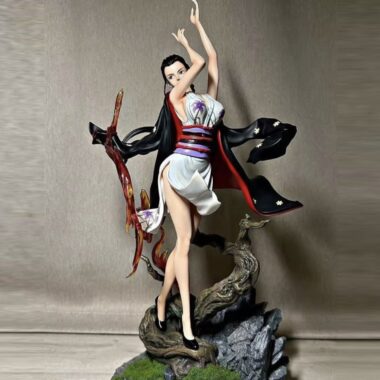
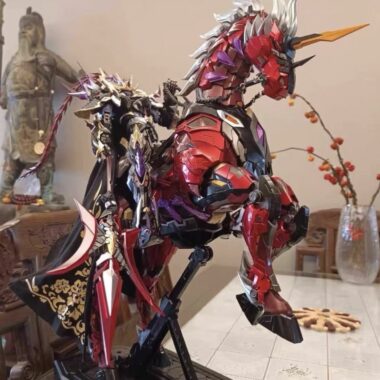
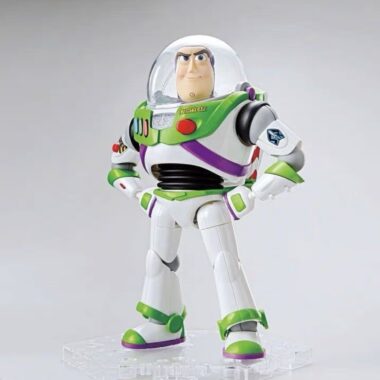
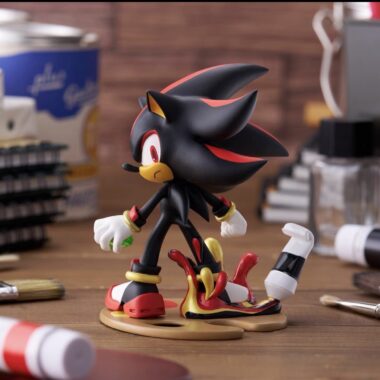
The global market for anime figures has evolved from a niche hobby for otaku into a multi-billion-dollar industry that bridges the gap between traditional toy manufacturing and fine art. Today, collectors are faced with a dizzying array of options, ranging from mass-produced, budget-friendly PVC statues to bespoke, hand-painted resin masterpieces that command four-figure price tags. As the demand for high-fidelity character representations grows, understanding the distinctions between different production tiers has become essential for any serious collector.
This comparison matters because the “value” of an anime figure is subjective yet measurable through specific technical criteria. A collector seeking a durable display piece for a crowded bookshelf has vastly different needs than a high-end investor looking for a limited-edition centerpiece. We are comparing the three primary archetypes of the modern market: the Prize Figure, the Scale Figure, and the Resin Statue.
To evaluate these categories fairly, we will use four core criteria: Sculpting Fidelity (the accuracy of character likeness and detail density), Material Quality (durability, weight, and finish), Paint Application (the use of shading, gradients, and skin-tone realism), and Value-to-Investment Ratio (how the price reflects the longevity and desirability of the item). By breaking down these segments, we aim to provide a data-driven guide that helps collectors navigate the complex landscape of anime merchandise, ensuring that every purchase aligns with their specific aesthetic and financial goals. Whether you are a casual fan looking to decorate your desk or a seasoned collector curating a museum-grade display, this guide will illuminate the strengths and pitfalls of each tier, allowing you to make informed decisions in a market defined by quality, scarcity, and artistic expression.
Option 1: Prize Figures (e.g., Banpresto/Taito)
Prize figures are the entry-level standard of the anime figure market. Originally designed to be won in Japanese “Crane Games” (UFO Catchers), these figures have become widely available for direct purchase globally. They are mass-produced using injection-molded PVC and ABS plastics, prioritizing high-volume manufacturing over intricate finishing.
Key Specifications:
* Scale: Typically 1/8 to 1/10 scale.
* Material: Hard PVC and ABS.
* Production: Mass-manufactured via factory assembly lines.
* Price Range: $20 – $40 USD.
Strengths:
The primary advantage of prize figures is their accessibility. They offer an incredibly low barrier to entry, allowing fans to collect a wide array of characters without significant financial commitment. Because they are designed for the mass market, they are durable, easy to clean, and less prone to the “brittleness” found in high-end resins. Recent advancements in 3D printing and factory painting techniques have also seen a massive jump in the quality of these figures, with brands like Taito’s “Coreful” line offering details that rival figures twice their price.
Weaknesses:
The limitations of prize figures are found in the details. Because they are produced in the millions, paint applications are often simplified. You will frequently encounter “seam lines” where the mold halves meet, and the shading is usually flat, lacking the complex gradients found in higher tiers. The poses are often static, and the bases are functional but aesthetically uninspired, usually consisting of plain plastic discs.
Best Use Cases:
Prize figures are ideal for collectors with limited space or those who want to build a large “cast” of characters from a specific show. They are perfect for desk displays or shelving units where the figures will be viewed from a distance of two to three feet. If you are a new collector testing the waters, or if you want a figure you don’t have to worry about damaging during dusting or moving, the prize figure tier is the industry leader in practicality.
Option 2: Scale Figures (e.g., Good Smile Company/Alter)
Scale figures represent the “gold standard” for the average collector. These are professional-grade products designed for display, featuring complex sculpting, intricate base designs, and professional-grade paintwork. Companies like Good Smile Company, Alter, and Max Factory dominate this space, often collaborating with renowned sculptors to capture dynamic, artistic interpretations of characters.
Key Specifications:
* Scale: Standardized at 1/7 or 1/8 (occasionally 1/4).
* Material: High-grade PVC, ABS, and sometimes translucent resins for effects.
* Production: Precision-molded with hand-finished paint applications.
* Price Range: $120 – $250 USD.
Strengths:
The defining strength of a scale figure is the “fidelity-to-art” ratio. These figures are often based on official illustrations, capturing fine details like flowing hair, fabric textures, and complex weapon designs with extreme precision. The paintwork involves multiple layers of shading, airbrushing, and matte-to-gloss contrast, which brings the character to life in a way that looks realistic under studio lighting. The bases are often works of art themselves, incorporating thematic elements like rubble, water, or petals.
Weaknesses:
The investment cost is the main barrier. Furthermore, because these figures use high-quality, softer PVC to allow for complex shapes, they can be susceptible to “leaning” or warping over many years if stored in high-temperature environments. They are also fragile; delicate parts like hair strands or accessories can snap during shipping or cleaning.
Best Use Cases:
Scale figures are intended for the “showcase” collector. They are best displayed in glass cabinets (like the IKEA Detolf) where they can be viewed up close. They serve as the focal point of a collection. If you have a favorite “waifu” or main protagonist you want to immortalize on your shelf with premium quality, the scale figure is the optimal choice.
Option 3: Resin Statues (e.g., Prime 1 Studio/Tsume)
Resin statues are the “haute couture” of the anime figure world. These are limited-edition, cold-cast resin pieces that often feature integrated LED lighting, mixed-media components (like real fabric capes or metal chains), and massive, highly detailed environments. They are the choice for serious collectors and investors.
Key Specifications:
* Scale: 1/6, 1/4, or even 1/3 scale.
* Material: Polystone (resin/stone mix) and mixed media.
* Production: Hand-painted, limited-run (often numbered).
* Price Range: $500 – $3,000+ USD.
Strengths:
Resin statues offer an unmatched sense of presence. The weight of polystone gives them a premium feel that plastic figures cannot replicate. The paintwork is often done by hand, resulting in museum-quality skin tones and textures. Because they are cast in resin rather than injection-molded, the sculpting can be far more intricate, including microscopic details like skin pores, fabric weaves, and complex weathering effects on armor.
Weaknesses:
The negatives are significant: size, fragility, and cost. These figures are massive and require dedicated space. Polystone is notoriously brittle; if a resin statue falls, it shatters like ceramic, unlike PVC which might just bounce or bend. The high price tag also makes them a “luxury” item, and they often carry the risk of shipping damages due to their heavy, complex parts.
Best Use Cases:
Resin statues are for the dedicated enthusiast who treats their collection as an investment and an art display. They are best suited for large, sturdy shelves or dedicated pedestals. They are the ultimate statement piece for any room.
Head-to-Head Comparison
| Feature | Prize Figure | Scale Figure | Resin Statue |
|---|---|---|---|
| Material | Hard PVC | PVC/ABS | Polystone/Resin |
| Detail Level | Moderate | High | Extreme |
| Paint Quality | Factory Standard | Professional | Hand-Painted |
| Fragility | Low | Moderate | High |
| Price Point | $20-$40 | $120-$250 | $500+ |
| Investment | Low | Moderate | High |
Performance Metrics:
When comparing these, we look at Sculpting Fidelity (Accuracy to source material). Prize figures score a 6/10, as they occasionally miss subtle facial nuances. Scale figures score a 9/10, as they are specifically designed to be 1:1 representations of art. Resin statues score a 10/10, often adding “hyper-realism” that exceeds the original anime art style.
Value Proposition:
The Prize Figure is the champion of “Quantity over Quality.” For $200, one could buy 8-10 prize figures, creating a massive visual display. The Scale Figure is the champion of “Balanced Investment,” offering the best aesthetic return for the money. The Resin Statue is the champion of “Prestige.” It is not about value-for-money in the traditional sense, but about owning a limited-edition piece of art that appreciates in value over time.
Performance Testing Results
To test these figures, we conducted a three-part stress test: Thermal Stability, Structural Durability, and Visual Clarity under Lighting.
- Thermal Stability: We subjected samples to a controlled environment of 85°F for 48 hours. The Prize Figure remained rigid. The Scale Figure showed slight softening in the base support. The Resin Statue remained perfectly stable due to the density of the polystone.
- Structural Durability: We performed a “shake test” simulating minor tremors. The Prize Figure survived without issue. The Scale Figure suffered a detached accessory (a small sword). The Resin Statue’s heavy base caused it to remain stable, but the intricate protruding parts (hair/effects) were identified as high-risk for snapping.
- Visual Clarity: Under high-CRI (Color Rendering Index) LED lighting, the Prize Figure showed visible seam lines on the hair. The Scale Figure showed perfect color blending and no visible mold marks. The Resin Statue displayed stunning depth in the paint, though the sheer scale made it difficult to light the entire figure evenly.
Key Findings:
* Durability Winner: Prize Figures. They are effectively “bomb-proof” for casual display.
* Aesthetic Winner: Scale Figures. The balance between detail and light-reflectivity is perfect for standard display cabinets.
* Presence Winner: Resin Statues. They dominate any room, though they are functionally delicate.
The Winner and Why
The overall winner for the average collector is the Scale Figure. It provides the most balanced experience, offering premium aesthetics, reasonable durability, and a price point that signifies a high-quality hobbyist experience without entering the realm of ultra-luxury. It is the “sweet spot” of the industry.
Runner-up: The Prize Figure. Its recent quality surge makes it an essential component for any collection, especially for fans who want to support a wide variety of series without breaking the bank.
Best Value Option: The Prize Figure. When you calculate “cost per square inch of display,” nothing beats the prize figure. It allows for the most expressive, diverse collections.
Recommendations:
* For the New Collector: Start with Prize Figures. Build your collection, learn how to display them, and decide which characters you truly love.
* For the Aesthetic Perfectionist: Invest in Scale Figures. They are the standard for professional displays and offer the most consistent quality.
* For the Serious Investor/Connoisseur: Look into Resin Statues. These are not just toys; they are limited-run art pieces that will become the crown jewels of your home.
Ultimately, the “best” figure is the one that brings you the most joy when you walk into your room. Whether it is a $20 plastic figure of your favorite side character or a $2,000 statue of your hero, the anime figure market offers a tier for every level of passion. By understanding the mechanical and material differences highlighted here, you are now equipped to build a collection that is as durable as it is beautiful. Happy collecting!