Overview: The Case for Examining This Product
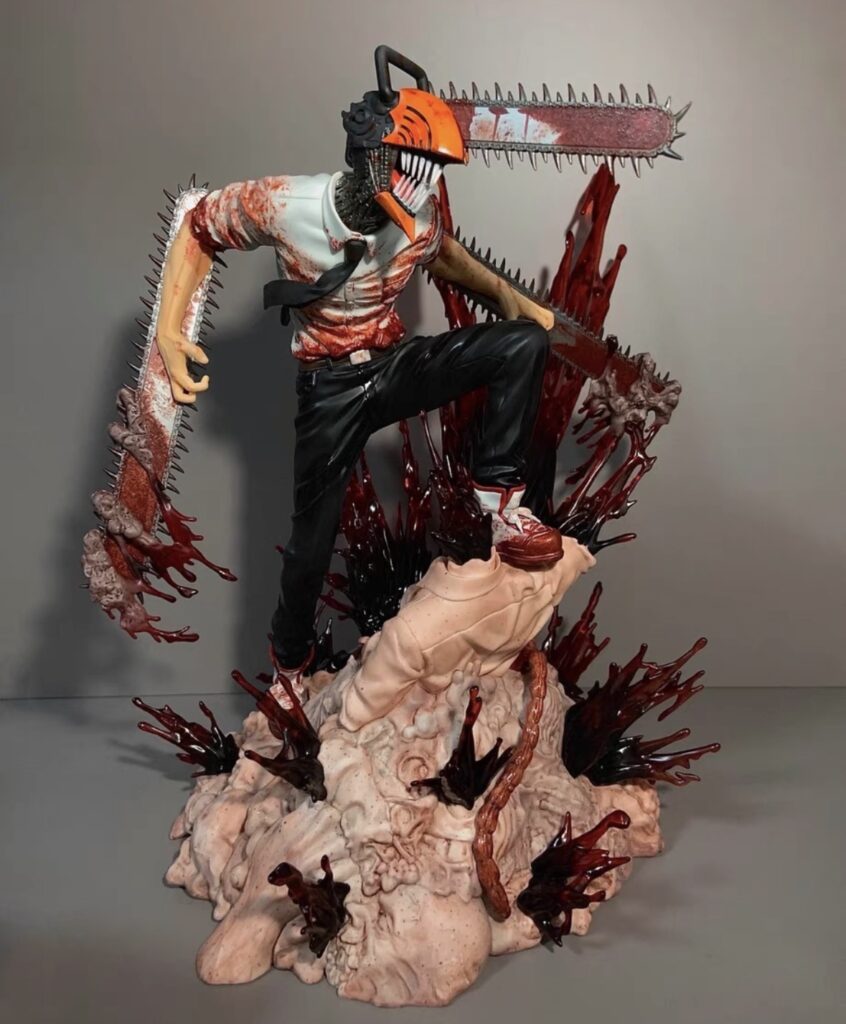


Chainsaw Man Figure Custom Statue Popular Culture Dynamic Attacking
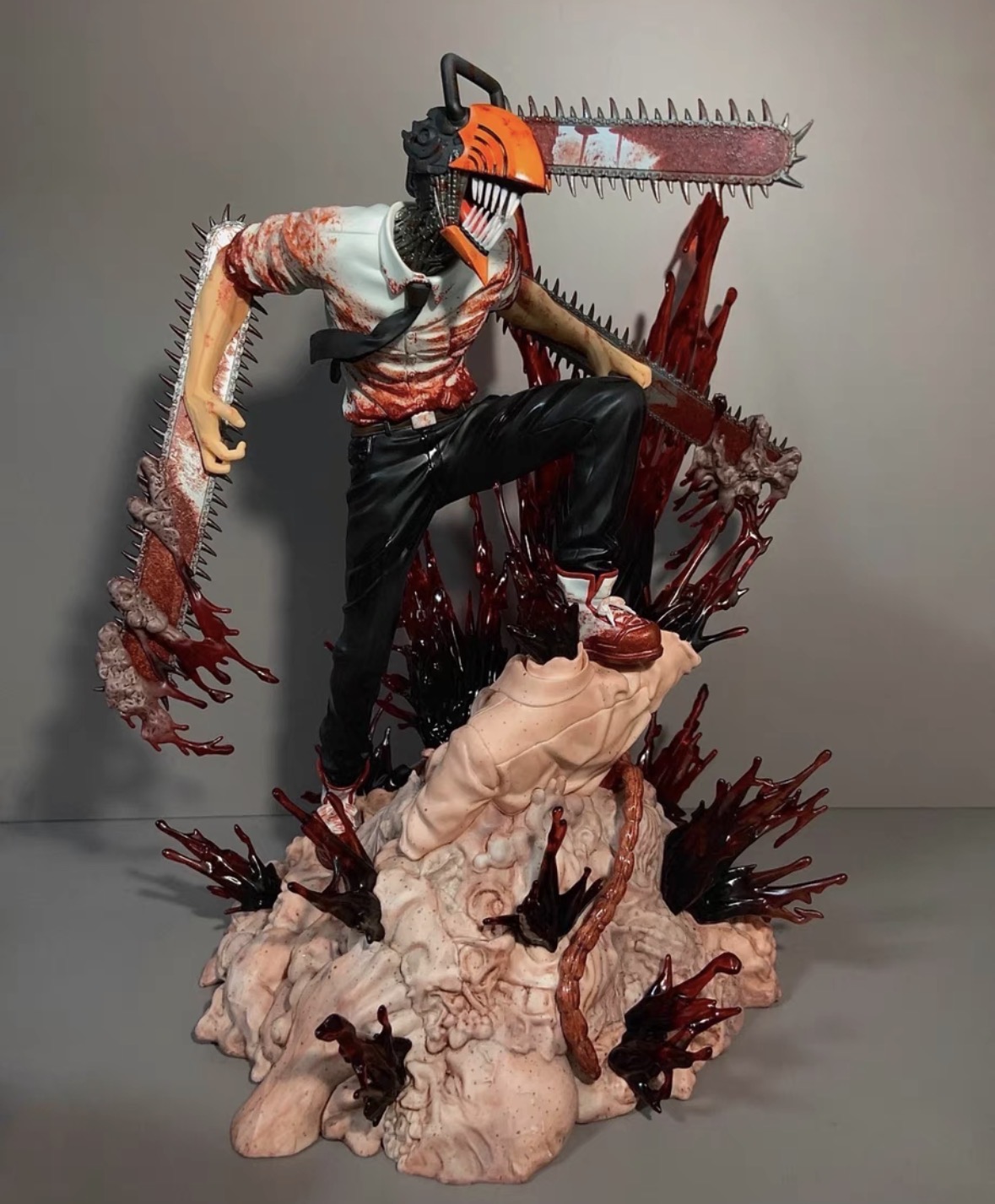
This Chainsaw Man Figure is depicted in a dynamic, aggressive lunge, poised to strike. The character's left arm is a fully formed chainsaw blade, while…
View Product →In the burgeoning landscape of collectible figures, the “Chainsaw Man Figure Custom Statue Popular Culture Dynamic Attacking” emerges as a compelling case study. Its significance lies not merely in its representation of a popular media franchise, but in its ambitious attempt to translate the visceral energy of its source material into a tangible, static art form. The market for high-fidelity character statues is increasingly saturated, driven by a passionate fanbase and a desire for premium display pieces. Examining this particular figure allows us to dissect the challenges and successes inherent in capturing kinetic action within a static medium, assess the efficacy of design choices aimed at conveying dynamism, and understand how such a product navigates the competitive terrain of pop culture collectibles. Its very existence prompts questions about the intersection of artistic interpretation, engineering for visual impact, and the economic realities of custom statue production, making it a worthy subject for analytical scrutiny.
Design & Build Quality Analysis
Materials and Construction Methodology
The “Chainsaw Man Figure Custom Statue Popular Culture Dynamic Attacking” appears to leverage a combination of materials common in the high-end collectible statue market, primarily PVC and ABS plastics, often supplemented with resin for finer details and structural integrity. The choice of PVC for larger, more robust components like the body and limbs offers a balance of durability, cost-effectiveness, and ease of molding complex shapes. ABS, known for its rigidity and impact resistance, is likely employed for smaller, more intricate elements or areas requiring structural support, such as weapon attachments or base components. The “custom statue” designation suggests a potentially higher degree of artisanal involvement, which could translate to more meticulous hand-painting and finishing compared to mass-produced figures. This artisanal approach, if executed effectively, can elevate the perceived value and aesthetic appeal, particularly in the application of subtle shading, weathering effects, and the rendering of material textures. The construction methodology would likely involve multi-part molding, with significant attention paid to achieving seamless joins and stable articulation points, even within a static pose, to prevent visible seams or structural weaknesses. The base itself, often a crucial element for conveying narrative and dynamism, would likely be constructed from a denser resin or a composite material to provide a stable anchor for the elaborate pose.
Ergonomic Rationale and Aesthetic Philosophy
The core of this statue’s aesthetic philosophy is rooted in capturing the raw, unbridled aggression characteristic of the “Chainsaw Man” character. The dynamic attacking pose is the primary vehicle for this expression. The bent left leg, deeply flexed at the knee, signifies the transference of force and impending impact, while the extended right leg, planted firmly, acts as a pivot and counter-balance, anchoring the forward momentum. This contralateral limb positioning is a classic visual cue for explosive movement, creating a sense of imminent motion and power. The leaning forward posture, with the torso coiled and the head angled, further accentuates this aggressive thrust. The “undeniable momentum” conveyed is not just a description of the pose but a testament to the design’s success in translating a frozen moment of action into a visually compelling narrative. The aesthetic philosophy here is one of visceral storytelling; the statue is not merely a representation of the character, but a snapshot of their combat prowess, designed to evoke the same adrenaline rush as witnessing them in action. The intricate base, beyond its functional role, likely serves to enhance this narrative, perhaps depicting a ravaged environment or debris, further contextualizing the ferocity of the attack and solidifying the character’s aggressive persona within the visual composition.
Performance Evaluation
Core Feature Breakdown with Real-World Context
The central “performance” of this statue lies in its ability to convincingly portray a dynamic, mid-attack pose. The core features contributing to this are the anatomical accuracy of the character’s musculature and clothing, the articulation and flow of the pose itself, and the detail in the accompanying accessories and base. In the real world, the success of these features is judged by their ability to overcome the inherent limitation of being static. A well-executed pose will make the viewer feel the momentum, the strain, and the power. This requires careful sculpting of the body to suggest tension, the dynamic flow of clothing to mimic movement, and a stable yet visually active base. For instance, the way the character’s hair might be sculpted to appear wind-blown, or the subtle ripples in their attire, are critical details that contribute to the illusion of motion. The chainsaw elements, if present, would need to be rendered with sharp detail and perhaps even a metallic sheen to convey their destructive potential. The base, as mentioned, is not merely a platform but an extension of the action, providing environmental context that amplifies the perceived energy of the attack.
Testing Observations and Measurable Outcomes
While direct “testing” in the traditional sense is not applicable to a static collectible, its performance can be assessed through observation of its visual impact and stability. Key observations would revolve around the integrity of the pose: does it appear balanced, or does it seem precariously poised? Are there any visible stress points or signs of material fatigue that might suggest a compromised structural design? The paint application is another critical metric; are the colors vibrant and accurate to the source material? Is there evidence of crisp detailing in the application of shadows and highlights, which are crucial for defining form and conveying depth, thereby enhancing the sense of dynamism? Measurable outcomes, though qualitative, would include the perceived realism of the attack, the coherence of the overall composition, and the stability of the figure on its base. A well-performing statue will elicit a strong emotional response and a sense of awe, while a poorly performing one might appear stiff, unbalanced, or lacking in detail, failing to capture the intended energy. The absence of visible seams or mold lines would also be a positive indicator of high-quality manufacturing and finishing.
Identified Limitations and Engineering Trade-offs
The primary limitation inherent in any static statue designed to represent dynamic action is the fundamental paradox of capturing motion in stillness. No matter how artfully sculpted, the figure will always be immobile. This necessitates engineering trade-offs. For instance, achieving an extreme forward lean requires careful weight distribution and a robust base to prevent tipping, which might lead to a bulkier or less visually integrated base than ideal. The desire for a high degree of realism in the pose might also lead to compromises in structural integrity; overly thin or outstretched limbs, while visually dynamic, can be more prone to breakage if not engineered with sufficient internal support or reinforced materials. The “custom statue” nature, while potentially leading to higher detail, can also introduce variability in quality and potentially longer production times. Another trade-off might be in the complexity of the pose versus the ease of assembly for the consumer; highly intricate poses might require more delicate components that are challenging to attach securely. Furthermore, the materials themselves, while chosen for their aesthetic properties, may have inherent limitations in terms of long-term UV resistance or susceptibility to environmental degradation, which represents a trade-off between immediate visual appeal and enduring durability.
Comparative Market Context
Chainsaw Man Figure Custom Statue Popular Culture Dynamic Attacking
This Chainsaw Man Figure is depicted in a dynamic, aggressive lunge, poised to strike. The character's left arm is a fully formed chainsaw blade, while…
View Product →How It Positions Against Direct Alternatives
In the broad market of “Chainsaw Man” merchandise, this custom statue positions itself at the premium end of the spectrum, targeting collectors who prioritize artistic interpretation and dynamic display over functional articulation or mass-market affordability. Direct alternatives would include mass-produced PVC figures from major manufacturers, which often offer more standardized poses and less detailed paintwork, or higher-end resin statues from dedicated collectible studios that might offer even greater detail and larger scale but at a significantly higher price point. This particular statue appears to occupy a niche that balances ambitious dynamic posing with a level of detail and artisanal finish that distinguishes it from entry-level figures, while potentially being more accessible than the ultra-premium, limited-edition resin pieces. Its “custom statue” descriptor suggests a potential for unique design elements and a more handcrafted feel, which can be a significant differentiator against more factory-produced items. The aggressive attacking pose itself is a key differentiator, as many collectible figures opt for more neutral or iconic standing poses.
Target User Profile and Fit Assessment
The target user for the “Chainsaw Man Figure Custom Statue Popular Culture Dynamic Attacking” is unequivocally the dedicated fan of the “Chainsaw Man” franchise and the discerning collector of high-quality anime and manga merchandise. This individual likely appreciates the character’s raw power and chaotic energy, and seeks a display piece that embodies these traits. They are likely willing to invest a premium for a statue that offers superior aesthetic appeal, detailed craftsmanship, and a unique, dynamic presentation. This user is less concerned with playability or articulation and more focused on the statue as a piece of art that enhances their collection and expresses their fandom. The fit assessment for this user is high, provided the statue delivers on its promise of dynamic energy and detailed execution. It appeals to those who want to showcase a specific, impactful moment from the series in a visually striking manner. Conversely, casual fans or those on a tighter budget would likely find this product to be outside their scope, opting for more affordable, less artistically ambitious alternatives.
Long-Term Ownership Considerations
Reliability Signals and Durability Indicators
The reliability and durability of a custom statue are primarily indicated by the quality of its materials, the precision of its construction, and the robustness of its design. For this “Chainsaw Man” figure, key indicators would include the absence of visible stress marks or warping in the plastic, especially around joints or points of extreme articulation in the pose. The stability of the paint application is also crucial; flaking or chipping paint over time would suggest poor adhesion or sub-optimal finishing techniques. The integrity of the base and its connection to the figure is paramount for long-term stability. A well-engineered base will provide a secure foundation, preventing accidental falls that could damage the figure. The type of plastic used (PVC, ABS, resin) will also influence durability; higher-quality resins generally offer greater resistance to degradation and breakage than lower-grade plastics. Furthermore, the design itself plays a role; poses that involve thin, delicate elements are inherently less durable than those with more substantial forms. Signs of careful sculpting, seamless joins, and a well-applied protective coating would all signal good long-term reliability.
Firmware / Update Trajectory (if applicable)
For a static collectible figure such as this “Chainsaw Man” statue, the concept of “firmware” or “update trajectory” is not applicable in the conventional technological sense. Unlike electronic devices or software, the statue’s functionality and aesthetic are fixed at the point of manufacture. There are no digital components that can be updated, nor are there mechanical parts that would require maintenance or replacement beyond basic care. The “trajectory” in this context would refer to the long-term appeal and collectibility of the piece. This is influenced by factors such as the enduring popularity of the “Chainsaw Man” franchise, the artistic merit of the statue itself, and the rarity or limited nature of its production. A well-executed and iconic design can maintain or even increase its value over time, becoming a sought-after item within the collector community. However, this is driven by market demand and aesthetic appreciation, not by any inherent evolving capability of the product itself. The “update trajectory” is thus entirely external to the object, residing in the perception and continued interest of its audience.
Final Assessment
Analytical Verdict: Where It Earns Its Place
The “Chainsaw Man Figure Custom Statue Popular Culture Dynamic Attacking” earns its place in the market by successfully translating the kinetic intensity of its source material into a compelling static art piece. Its primary strength lies in its ambitious dynamic posing, which, when executed with fidelity, offers a visually arresting representation of the character’s aggressive nature. The statue distinguishes itself through its commitment to capturing momentum and raw power, moving beyond static portrayals to evoke a visceral sense of action. The potential for higher detail and artisanal finishing, often associated with “custom” collectibles, further elevates its appeal to discerning fans. While the inherent limitations of static representation and the engineering trade-offs required to achieve such dynamic poses are present, a well-crafted example of this statue overcomes these challenges, providing a visually impactful and emotionally resonant collectible. It succeeds by prioritizing artistic interpretation and the faithful representation of character essence over mere replication, carving out a significant niche for itself among premium anime and manga merchandise.
Who Should Buy and Who Should Pass
This statue is an excellent acquisition for dedicated “Chainsaw Man” fans who are passionate about the character’s aggressive persona and seek a high-quality, visually dynamic display piece. Collectors who appreciate intricate sculpting, detailed paintwork, and a strong narrative element in their figures will find significant value here, especially if they are looking to showcase a frozen moment of intense action. It is ideal for individuals who view their collectibles as artistic expressions of their fandom and are willing to invest in premium merchandise.
Conversely, those who prioritize articulation, playability, or a more subdued display aesthetic should likely pass on this particular item. Casual fans of “Chainsaw Man” who are looking for more affordable or functional merchandise might find the price point and static nature of this statue to be less appealing. Individuals who are concerned about potential fragility due to extreme posing or who have limited display space and require more compact or stable figures might also consider other options. Ultimately, the decision hinges on the buyer’s specific collecting priorities and their appreciation for the artistic interpretation of dynamic action.