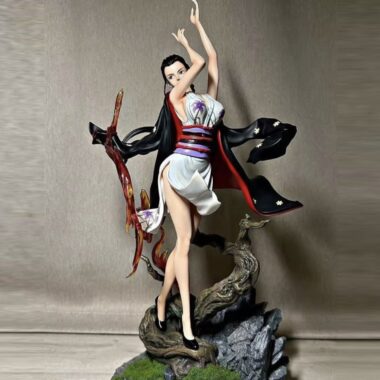
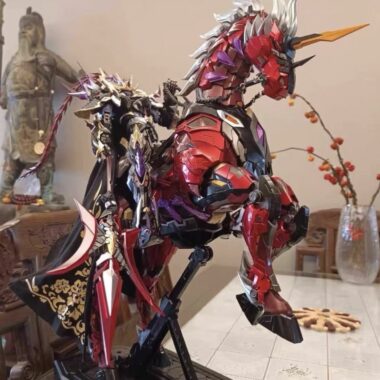
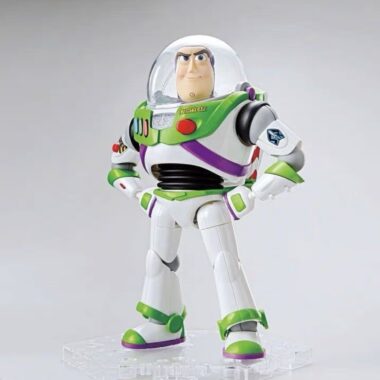
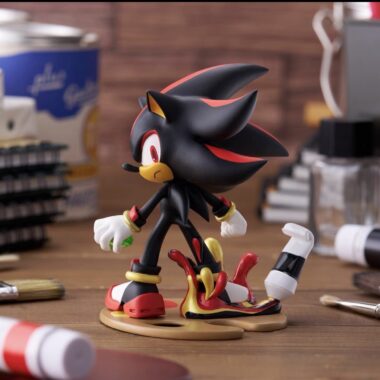
Customizing an action figure is a transformative hobby that breathes new life into mass-produced toys, turning them into one-of-a-kind art pieces. Whether you are aiming to create a custom character from your favorite comic, improve a figure’s factory paint job, or modify the sculpt to add new gear, this project offers endless creative potential.
Skill Level: Intermediate. While beginners can certainly succeed, the process requires patience, steady hands, and a willingness to learn through trial and error.
Complete Tools List:
* X-Acto Knife (with #11 blades): For trimming plastic and removing factory paint.
* Needle-nose pliers: Useful for disassembly and handling small parts.
* Heat gun or Hairdryer: To soften plastic for safe disassembly.
* Fine-tip brushes: Sizes 0, 00, and 000 for intricate detailing.
* Fine-grit sandpaper (400 to 1000 grit): For smoothing surfaces.
* Sculpting tools: Metal dental-style picks or silicone-tipped shapers.
Materials Needed:
* Action Figure: A base figure to serve as your canvas.
* Acrylic Paints: High-quality hobby paints (e.g., Vallejo, Citadel, or Army Painter).
* Epoxy Putty: Two-part putty like Aves Apoxie Sculpt for structural modifications.
* Primer: A spray or brush-on matte primer designed for plastics.
* Sealer/Clear Coat: Matte or satin varnish to protect your finished work.
* Masking Tape: Low-tack tape for clean lines.
Estimated Time and Cost:
For a standard repaint and minor sculpt modification, expect to spend 10 to 15 hours spread over a week to allow for drying times. Budget-wise, if you are starting from scratch, expect to spend between $50 and $100 on initial supplies. However, once you have your paints and tools, subsequent projects will only cost the price of the base figure and specific specialty materials. This hobby is an investment in your creativity, resulting in a unique collectible that money simply cannot buy in a store.
Preparation and Planning
Before you touch your figure with a blade, you must approach the project with a plan. Rushing into customization often leads to “frankensteined” figures that lack cohesion.
Pre-work Requirements: Start by gathering reference materials. If you are creating a specific character, print out high-resolution images from multiple angles. Sketching your design on paper helps you understand the color palette and physical modifications required before you commit to permanent changes.
Safety Precautions: Customization involves sharp blades, heat, and chemicals. Always work in a well-ventilated area, especially when using spray primers or varnishes. Wear protective eyewear when cutting plastic, as small shards can fly unexpectedly. If you use a heat gun, be mindful that it can melt plastic rapidly; keep it moving to avoid warping the figure’s structure.
Workspace Setup: Your workspace should be clean, well-lit, and dedicated to the project. A cutting mat is essential to protect your table surface. Use a small organizer or a muffin tin to keep parts separated; losing a tiny hand or a peg during disassembly is a common frustration. Good lighting is non-negotiable—a desk lamp with a high-lumen LED bulb will help you see fine details and prevent paint mishaps.
Planning Tips: Consider the “articulation points.” If you plan to sculpt over a joint, be aware that the movement will likely crack the putty. Plan your sculpts to avoid joints, or use flexible materials if movement is a priority. Think about your color scheme in terms of layers: always work from dark to light, or base coat to highlights. By planning the order of operations, you ensure that you aren’t painting yourself into a corner. Taking the time to prepare your mind and your workspace sets the foundation for a professional-looking result.
Step 1: Disassembly and Surface Preparation
The most critical step in a professional-looking custom is the “prep work.” If you paint over a factory finish without preparation, the paint will chip or peel within days.
Step-by-Step Instructions:
1. Heat the joints: Use your hairdryer or heat gun on a low setting to warm the figure. This softens the plastic, allowing you to pop off limbs, heads, and hands without stressing the plastic pegs.
2. Sand the surface: Use 400-grit sandpaper to lightly scuff the areas you intend to paint. This creates a “tooth” for the primer to grip onto. Focus on removing any factory gloss or factory-molded logos.
3. Clean the parts: Use a mixture of warm water and mild dish soap to wash the figure. This removes factory mold release agents and skin oils that prevent paint adhesion. Dry thoroughly.
4. Prime: Apply a thin, even coat of hobby-grade primer. Avoid thick globs; several light misting coats are better than one heavy layer, which can obscure sculpted details.
Important Tips: When sanding, avoid over-sanding the joints, as this can loosen the connection, making the figure wobbly. Always test your primer on a piece of scrap plastic first to ensure it cures properly.
Common Mistakes: The biggest mistake is skipping the sanding or washing phase. Factory figures are coated in chemicals that make paint “bead up” rather than lay flat. If your paint looks like it’s receding, you haven’t cleaned the surface well enough.
Visual Descriptions: A properly prepped figure will look dull and slightly scratched—this is exactly what you want. It should feel slightly textured to the touch, not slippery or shiny.
Checkpoint: Ensure all parts are fully dry and the primer is cured for at least 24 hours. Try to scratch a small, hidden area with your fingernail. If the primer stays put, you are ready to move to the next phase. If it flakes off, re-wash and re-prime the figure.
Step 2: Sculpting and Structural Modifications
Now that you have a clean slate, it is time to add character-specific details like capes, armor, or facial hair.
Step-by-Step Instructions:
1. Mix the Putty: Take equal parts of your Aves Apoxie Sculpt (Part A and Part B) and knead them together until the color is uniform. You have roughly 1–2 hours of work time before it begins to harden.
2. Apply and Shape: Use your sculpting tools to apply the putty to the figure. Use a small amount of water on your tools to prevent the putty from sticking to them.
3. Detailing: Build up the sculpt in layers. If you are making armor, lay down a base layer, let it set, and then add the raised edges or rivets in a second pass.
4. Smoothing: Before the putty fully cures, use a brush dipped in a tiny amount of water to smooth out fingerprints and tool marks.
Important Tips: Work in small batches. It is tempting to mix a large ball of putty, but it will harden before you can use it all. If you are adding mass to a limb, use a piece of wire or foil as an “armature” (a skeleton) inside the putty to provide strength.
Common Mistakes: Adding too much putty at once can make the figure look bulky or “lumpy.” Remember that action figures are small; a little bit of putty goes a long way. Avoid the “blob” effect by constantly turning the figure to check the silhouette from all sides.
Visual Descriptions: Your sculpt should look like a refined version of your reference photo. The surface should be relatively smooth, with clear, sharp edges for armor or organic, flowing shapes for hair or clothing.
Checkpoint: Once the putty is rock-hard (usually 24 hours), check for any air bubbles or sharp edges. If you find errors, you can sand them down or add a tiny bit more putty to fill gaps. Once you are satisfied, lightly sand the sculpted area to ensure it blends seamlessly with the original plastic.
Step 3: Painting and Detailing
This is where your figure truly comes to life. Painting is a game of patience and layering.
Step-by-Step Instructions:
1. Base Coating: Apply your primary colors. Use thinned-down acrylics. You should aim for 2–3 thin coats rather than one thick one. The first coat will look streaky—that is normal.
2. Shadowing (Washing): Use a “wash”—a very thin, watery paint—to flow into the cracks and crevices of the sculpt. This creates instant depth and makes muscles or armor panels pop.
3. Highlighting (Dry Brushing): Take a slightly lighter shade of your base color, remove almost all the paint from your brush on a paper towel, and lightly flick it over the raised areas of the figure.
4. Eye and Detail Work: Use your smallest brush for the eyes, logos, or accessories. Lean your wrists against each other to stabilize your hands.
Important Tips: If you make a mistake, don’t panic. Acrylic paint is water-soluble until it dries. Keep a damp Q-tip handy to wipe away mistakes immediately.
Common Mistakes: The most common error is using paint straight from the bottle. Always thin your paints with a drop of water on a palette. Thick paint hides the detail of the figure and leaves unsightly brush strokes.
Visual Descriptions: The finished paint job should look smooth and uniform. The shadows should be dark and crisp, and the highlights should catch the light on the high points of the muscles or armor, giving the figure a realistic, three-dimensional appearance.
Checkpoint: Hold the figure at arm’s length. Does the color scheme look balanced? Do the eyes look symmetrical? If the paint looks solid and the details are crisp, you are ready for the final seal.
Troubleshooting Common Issues
Even the best customizers run into problems. Here is how to handle the most common frustrations.
Problem 1: Paint chipping at the joints.
* Solution: This occurs because the paint is rubbing against itself when the figure moves. Before painting, use your sandpaper to shave down the joint surfaces (the “ball” or “hinge”) slightly. This provides extra clearance so the paint doesn’t rub off.
Problem 2: The figure feels “sticky” after painting.
* Solution: This usually means the paint hasn’t fully cured or the humidity was too high during application. Place the figure in a dry area with good airflow for another 24 hours. If it remains sticky, you may have used a poor-quality paint or applied it too thick. A light coat of matte sealer can sometimes “lock in” a slightly tacky surface.
Problem 3: Sculpting putty falling off.
* Solution: This happens when the surface wasn’t prepped enough. If your putty pops off, you need to use a hobby knife to score the plastic underneath (creating cross-hatch marks) to give the putty something to “bite” into. Use a drop of superglue as a primer on the plastic before applying the putty for extra security.
When to Seek Professional Help: If you have permanently damaged a rare or expensive base figure, you may want to consult online custom figure forums or communities like Reddit’s r/ArticulatedPlastic. Experienced members can often offer advice on how to salvage a ruined sculpt or provide tips on sourcing replacement parts. Don’t be afraid to ask for help; the customization community is incredibly supportive.
Final Touches and Maintenance
The final phase is all about protection and presentation. You have put hours into this figure; now you must ensure it survives the test of time.
Finishing Steps: Apply a thin layer of matte or satin varnish. A matte finish is generally preferred for action figures as it removes the “plastic” shine and makes the figure look more realistic. Use a spray-on varnish for the most even coat, but ensure you do it in a low-humidity environment to avoid a “cloudy” finish.
Quality Check Procedures: Inspect the figure under bright light. Check the joints to ensure they still move, and look for any “missed spots” where the original plastic color might be showing through. If you find a spot, touch it up with a tiny brush and seal it again.
Maintenance Tips: Action figures are not indestructible. Treat your custom as a display piece rather than a toy. If you intend to pose it frequently, minimize repetitive movement on joints where you have applied heavy paint. Dust your figure periodically with a soft, clean makeup brush to keep it looking fresh.
Care Instructions: Keep your figure away from direct sunlight, as UV rays can fade acrylic paints and cause plastic to become brittle over time. If you display it in a glass cabinet, you are already ahead of the game. Avoid storing it in extreme temperatures, such as an attic or garage, as this can cause the paint to crack or the plastic to warp.
Enhancement Suggestions: To take your display to the next level, consider building a small diorama base. Use foam board, sand, and acrylic textures to create an environment that matches the character. You could also create custom accessories using leftover plastic parts or 3D-printed items. Customizing is a journey of constant improvement; with every figure you complete, you will find new techniques and shortcuts that make the next one even better. Embrace the process, celebrate your unique creation, and enjoy the pride that comes with holding a character that exists only because you decided to bring it to life.