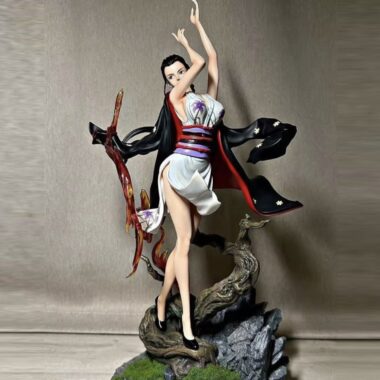
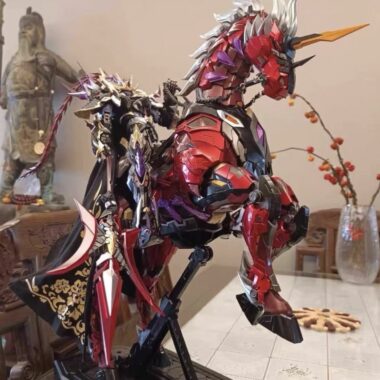
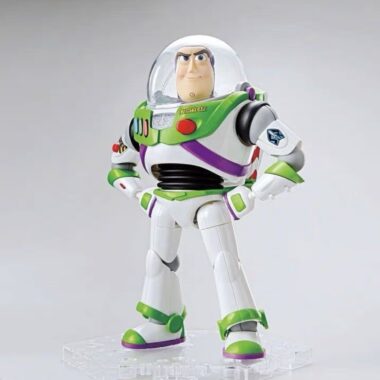
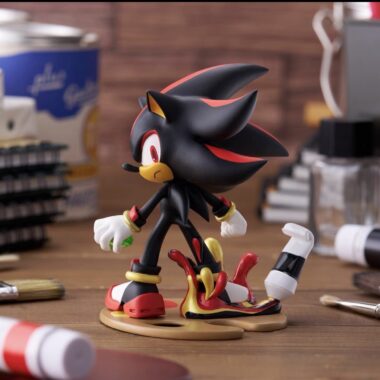
Customizing anime figures, often referred to as “re-painting” or “kit-bashing,” is a rewarding hobby that transforms mass-produced collectibles into one-of-a-kind pieces of art. Whether you want to fix a factory paint defect, add intricate shading, or completely overhaul a character’s color scheme, this project allows you to express your creativity.
Skill Level: Intermediate. While beginners can certainly succeed, a steady hand and patience are required. Familiarity with basic model-making concepts is helpful but not strictly necessary if you follow this guide closely.
Tools List:
* Hobby Knife (X-Acto): For removing mold lines.
* Fine-point Paint Brushes: Sizes 000, 0, and 1 (synthetic hair).
* Airbrush/Compressor (Optional): For smooth base coats.
* Sandpaper: Grits 400, 800, and 1200.
* Masking Tape: Specialized hobby tape (Tamiya brand recommended).
* Safety Gear: Nitrile gloves, N95 respirator mask, and safety goggles.
Materials Needed:
* Acrylic Paints: High-quality model paints (Vallejo or Citadel).
* Primer: Grey or white spray primer (plastic-safe).
* Thinners/Solvents: For cleaning brushes and thinning paint.
* Clear Coat: Matte, Satin, or Gloss varnish.
* Isopropyl Alcohol (90%+): For paint stripping.
Estimated Time and Cost:
A simple project will take approximately 10–15 hours of active work spread over a week to allow for proper curing. The initial investment for tools is roughly $100–$150, though many items are reusable. Consumable costs per figure are usually under $20.
Preparation and Planning
Before you touch a brush to the plastic, you must prepare. Customization is 80% preparation and 20% painting.
Pre-work Requirements:
Start by disassembling your figure. Most figures are held together by friction pegs or a drop of industrial glue at the joints. Use a hairdryer to gently heat the joints; the heat softens the PVC, allowing you to pull pieces apart without snapping them. Keep track of every peg and screw in a small organizer tray.
Safety Precautions:
Work in a well-ventilated area. If using spray primers or solvents, a respirator is non-negotiable. Paints and thinners can release VOCs that are harmful over long periods. Always wear gloves to prevent oils from your skin from transferring to the plastic, which can cause paint to bead or peel.
Workspace Setup:
Use a dedicated cutting mat to protect your table. Ensure you have excellent lighting—a desk lamp with a “daylight” color temperature (5000K-6500K) is essential for accurate color matching. Keep a cup of water for rinsing brushes and a paper towel for blotting.
Planning Tips:
Don’t dive in blindly. Take a photo of your figure and use a digital photo editor to “sketch” your color changes over the image. This serves as a blueprint. Decide on your finish early: do you want a realistic look (matte skin, glossy eyes) or a stylized, cel-shaded look? Research “anime figure painting tutorials” on forums like MyFigureCollection to see how others have approached similar characters. Think about the “color story”—ensure that your new colors complement each other rather than clashing. If you are a beginner, try practicing your brush control on a cheap “bootleg” or a plastic spoon before attempting the real project.
Step 1: Surface Preparation and Priming
The longevity of your custom paint job depends entirely on how well the paint adheres to the PVC surface. PVC is naturally non-porous and slightly oily, making it a difficult canvas for standard paints.
Step-by-Step Instructions:
1. Stripping: If you are repainting an existing figure, remove the factory paint using 90% Isopropyl Alcohol. Soak the parts for 20 minutes, then gently scrub with a soft toothbrush.
2. Sanding: Use 400-grit sandpaper to smooth out any factory mold lines or seams. Follow up with 800-grit to remove the sanding scratches.
3. Washing: Wash all parts in warm water with mild dish soap to remove sanding dust and skin oils. Let them air dry completely.
4. Priming: Apply a thin, even layer of plastic-safe primer. Hold the spray can 8-10 inches away and use short, sweeping bursts. Do not soak the figure, as this will obscure fine details.
Important Tips:
If the primer looks “fuzzy,” you are spraying from too far away, causing the paint to dry before it hits the surface. If it looks “wet” or pools in crevices, you are spraying too close.
Common Mistakes:
* Skipping the Primer: Paint will eventually peel off bare PVC.
* Over-sanding: You risk losing the sculpted details of the hair or clothing.
Visual Descriptions:
The surface should look uniform and matte after priming. If you see shiny spots, you haven’t sanded or cleaned enough. The primer should be thin enough that you can still see the sharpness of the figure’s eyes and fingers.
Checkpoint:
Hold the figure under a bright light. If the surface is smooth, uniform in color, and free of dust nibs, you are ready to proceed. If not, lightly sand any imperfections and re-prime.
Step 2: Base Coating and Layering
Now that you have a clean, primed surface, it is time to build the color. This is where your character truly comes to life.
Step-by-Step Instructions:
1. Thinning the Paint: Never use paint directly from the bottle. Place a drop on your palette and add a drop of water or thinner until it reaches the consistency of skim milk.
2. Applying Base Coats: Apply 2-3 thin layers of your chosen colors. Let each layer dry for at least 30 minutes.
3. Blocking In: Start with the largest areas (skin, clothing) and work your way down to the details (buttons, hair highlights).
4. Shading: Once the base coat is solid, use a darker shade of your base color to paint the recessed areas (the folds of fabric or the space under the chin).
Important Tips:
Always work from dark to light or light to dark consistently. Use a “wet palette” to keep your acrylics from drying out while you work. If you make a mistake, wipe it away immediately with a damp brush before it sets.
Common Mistakes:
* Using thick paint: This creates brush strokes and hides detail.
* Rushing the drying time: Painting over wet acrylics will result in “lifting,” where the new paint pulls the old paint off.
Visual Descriptions:
Your base coats should look flat and opaque. The shading should look subtle—if the transition between the base and the shadow looks harsh, you need to “glaze” (dilute your paint significantly and apply multiple transparent layers) to soften the edge.
Checkpoint:
Look at the figure from a distance of two feet. Do the colors look balanced? Is the shading consistent across the figure? If you are satisfied with the depth and tone, move to the final details.
Step 3: Detailing and Face Customization
The face is the most important part of an anime figure. Even a tiny deviation in eye placement can change the character’s expression entirely.
Step-by-Step Instructions:
1. The Eyes: Use a fine-point 000 brush. Start by painting the eye socket white. Next, draw the iris using your reference photo. Use a tiny dot of white paint for the “light reflection” in the eye—this provides the “sparkle” characteristic of anime figures.
2. Lining: Use a micron pen or a very thin brush with dark brown or black paint to define the eyelids and eyelashes.
3. Blushing: For the cheeks, use a dry-brushing technique with a soft pink pastel powder. Dip a brush in the powder, tap off the excess, and gently buff it onto the cheeks.
4. Sealing: Once you are happy with the face, spray a light coat of matte varnish to protect the delicate eye work.
Important Tips:
For eyes, symmetry is key. Use a ruler or a piece of tape to check that both eyes are at the same height. If you struggle with freehand, consider using water-slide decals designed for model kits.
Common Mistakes:
* “Googly” eyes: Ensuring the pupils are looking in the same direction is difficult. Practice on paper first.
* Heavy-handed blush: Too much pink makes the character look sunburnt rather than cute.
Visual Descriptions:
The eyes should look crisp and vibrant. The skin should look soft. If the eyes look “flat,” ensure you’ve added a small dot of gloss varnish over the pupil to mimic the wetness of a real eye.
Checkpoint:
Compare the face to your original reference. Does the expression match? If the eyes are asymmetrical, use a toothpick with a tiny amount of solvent to “erase” the error and try again.
Troubleshooting Common Issues
Problem 1: Paint is peeling or chipping.
This usually happens because the PVC wasn’t cleaned properly or you skipped the primer.
* Solution: Strip the paint from the affected area using alcohol, sand it lightly, re-prime, and repaint.
Problem 2: The paint finish is sticky or tacky.
This is common with PVC figures when the paint reacts with the plasticizers in the material.
* Solution: Apply a high-quality acrylic sealer or a clear coat. This creates a barrier between the plastic and the environment.
Problem 3: Brush strokes are visible.
You are using too much paint or your paint is too thick.
* Solution: Sand the area down with 1200-grit paper, then apply a very thin, watery layer of paint. The paint will naturally level itself out as it dries.
When to seek professional help:
If you have accidentally melted the plastic with a harsh solvent (like acetone) or broken a major limb, the figure may be beyond simple repair. In these cases, look for specialized figure-restoration artists online who offer commission-based repairs.
Final Touches and Maintenance
Finishing Steps:
Once the final paint layer is dry, reassemble the figure. Use a tiny amount of super glue (cyanoacrylate) on the pegs if the joints feel loose. After assembly, apply a final protective clear coat. Use a Matte spray for skin and clothing, and a Gloss brush-on varnish for eyes, lips, and metallic accessories.
Quality Check Procedures:
Inspect the figure under natural sunlight. Check for “bleed-over” where one color has leaked into another. Use a toothpick to gently scrape away any excess paint that may have strayed outside the lines.
Maintenance Tips:
* Dusting: Use a soft, fluffy makeup brush to dust your figure weekly. Never use water or household cleaners.
* Sunlight: Keep your figures out of direct sunlight. UV rays will yellow the plastic and fade your custom paint job over time.
* Temperature: Avoid placing figures near heaters or in hot cars, as the PVC can soften and warp.
Enhancement Suggestions:
To take your project to the next level, consider adding “base effects.” You can use clear resin to create water puddles, or use cotton balls and LED lights to create a “smoke” effect around the base. Adding custom decals or small metal charms can also add a layer of professional realism. Remember, the best part of customization is that there are no rules—if you love how it looks, you have succeeded. Take photos, share your work with the community, and enjoy your unique creation!