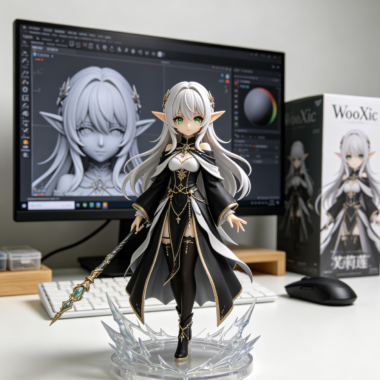
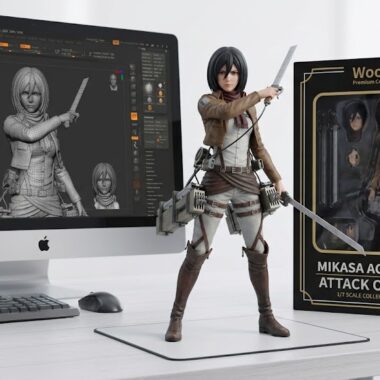
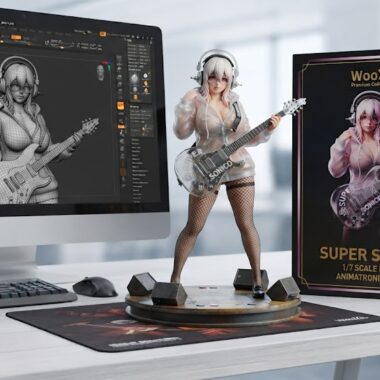
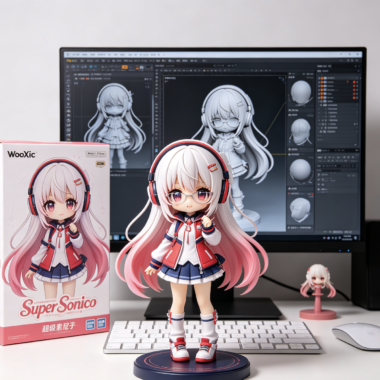
Customizing figures—often referred to in the hobby as “kitbashing” or “custom painting”—is a transformative art form that turns mass-produced plastic into one-of-a-kind masterpieces. Whether you are looking to create a unique version of your favorite superhero, a Dungeons & Dragons miniature, or an original character, this project bridges the gap between toy collecting and fine art.
Skill Level: Beginner-Friendly. No prior sculpting or painting experience is required, though patience is the most vital tool in your kit.
Complete Tools List:
* Hobby Knife (X-Acto): For trimming excess plastic (mold lines).
* Needle-nose Pliers: For disassembling joints.
* Paint Brushes: A variety of sizes (000, 0, 1, and 2) with synthetic bristles.
* Fine-grit Sandpaper (400 to 1000 grit): For smoothing surfaces.
* Sculpting Tools: Metal dental picks or silicone-tipped clay shapers.
* Palette: A wet palette is recommended to keep acrylics from drying out.
Materials Needed:
* Base Figure: A clean, unpainted or existing figure.
* Acrylic Paints: High-pigment hobby paints (e.g., Vallejo, Citadel, or Army Painter).
* Epoxy Putty: Two-part putty (e.g., Apoxie Sculpt or Green Stuff) for sculpting details.
* Primer: Spray-on or brush-on plastic primer.
* Sealant: Matte or gloss varnish (spray or brush-on).
* Rubbing Alcohol: For cleaning the figure.
Estimated Time and Cost:
For a standard 6-inch figure, expect to spend 10–15 hours spread over a week to allow for proper curing and drying times. The cost is highly variable: a starter kit with basic paints, brushes, and tools will cost approximately $60–$100, assuming you already own the base figure.
Preparation and Planning
Before you touch a brush to plastic, preparation is the foundation of success. Customizing is 20% painting and 80% preparation.
Pre-work Requirements:
Begin by thoroughly cleaning your base figure. Factory-produced figures often have a thin layer of mold-release agent (oil) on the surface, which prevents paint from adhering. Use warm, soapy water and a soft toothbrush to scrub the figure. Once dry, wipe it down with a cotton swab dipped in rubbing alcohol.
Safety Precautions:
Always work in a well-ventilated area, especially when using spray primers or varnishes. Wear a respirator mask if you are sanding plastic, as fine dust particles should not be inhaled. Keep your hobby knife sharp—a dull blade is more dangerous because it requires more force, increasing the risk of slipping.
Workspace Setup:
Dedicate a flat, well-lit surface to your project. Natural light is best, but a high-lumen LED lamp with an adjustable neck is essential for seeing fine details. Cover your table with a cutting mat or a layer of newspaper to protect it from paint spills and putty residue.
Planning Tips:
Don’t jump in blind. Take a photo of your figure and use a digital drawing app or print it out to sketch your color scheme. Decide on your “vision” early: are you going for a gritty, realistic look or a vibrant, comic-book style? Create a color palette of 3-5 main colors to ensure consistency. Consider the “joint rub” factor—if your figure has heavy articulation, plan to sand down the contact points of the joints now, rather than discovering later that your paint scrapes off the moment you pose the figure. By planning your workflow, you prevent the frustration of re-doing steps later.
Step 1: Disassembly and Surface Preparation
The first major step is preparing the canvas. A figure is not a flat wall; it is a complex, moving object that requires specific treatment to ensure paint longevity.
Step-by-Step Instructions:
1. Disassemble: Use a hair dryer or a bowl of hot (not boiling) water to soften the plastic. This makes the joints pliable, allowing you to pop heads, arms, and legs out of their sockets without snapping the pegs.
2. Sanding: Use 400-grit sandpaper to remove factory “mold lines”—the unsightly raised plastic seams running down limbs. Scuff the surface of the entire figure lightly. This creates a “tooth” for the primer to grab onto.
3. Joint Sanding: This is critical. Sand down the inner surfaces of joints (where the hip meets the torso, for example) to create clearance. If you don’t do this, the paint will inevitably scrape off during posing.
4. Cleaning: Use a damp cloth to remove all plastic dust from sanding.
Important Tips:
If you are using a hair dryer, keep it moving. Holding it in one spot for too long can melt or warp the plastic permanently. For joint clearance, sand in small increments and test-fit the joint frequently.
Common Mistakes to Avoid:
Do not skip the sanding process. Many beginners assume primer will stick to smooth, factory-painted plastic, but it will peel off within days if the surface isn’t scuffed. Another mistake is over-sanding; only remove enough material to create clearance, not enough to make the joint loose.
Visual Descriptions:
The surface of your figure should look dull and matte after sanding, losing the shiny, factory-coated look. Mold lines should be completely flush with the surrounding plastic, invisible to the touch.
Checkpoint Confirmation:
Verify that all joints move freely after sanding. If a joint feels “sticky,” sand it slightly more. Ensure the figure is completely free of dust and oil before moving to the next step. If you hold the figure to the light, you should see a consistent, scuffed texture across all surfaces.
Step 2: Sculpting and Custom Details
Now that the figure is prepped, it is time to add character-specific details like capes, armor plates, or hair textures using epoxy putty.
Step-by-Step Instructions:
1. Mix the Putty: Take equal parts of your A and B epoxy putty. Knead them together until the color is uniform (no streaks).
2. Apply: Apply small amounts to the figure. Use a wet sculpting tool to smooth the edges of the putty into the plastic.
3. Texture: Use your tools to carve details. If creating hair, use a needle tool to drag lines into the putty. If creating armor, use a flat tool to create sharp edges.
4. Cure: Allow the putty to cure based on the manufacturer’s instructions (usually 12–24 hours).
Important Tips:
Keep your sculpting tools damp with water or a tiny drop of mineral oil to prevent the putty from sticking to the tool instead of the figure. Work in small sections; it is much easier to add more putty later than it is to remove excess cured putty.
Common Mistakes to Avoid:
The most common error is adding too much bulk at once, which makes the figure look “lumpy.” Build up your shapes in layers. Also, avoid touching the putty with bare fingers too much, as oils from your skin can prevent the putty from curing properly.
Visual Descriptions:
The cured putty should look solid and feel hard to the touch. The transition between the plastic and the putty should be seamless; if you run your finger over it, you shouldn’t feel a sharp “step” or ridge.
Checkpoint Confirmation:
Once cured, tap the putty with your fingernail; it should sound hard, like plastic. Check that your added details don’t impede the figure’s articulation. If the putty blocks a joint, carefully trim it with your hobby knife before it fully hardens to a rock-like state.
Step 3: Priming and Painting
This is where your custom figure truly comes to life. Painting is a game of patience and thin layers.
Step-by-Step Instructions:
1. Priming: Apply a thin, even coat of primer. If using a spray can, hold it 8–10 inches away and use short, sweeping bursts. Avoid thick coats that pool in crevices and obscure detail.
2. Base Coating: Apply your primary colors. Use thin, watery coats. Two or three thin layers are vastly superior to one thick layer.
3. Detailing: Use your smallest brush for eyes, buttons, or emblems.
4. Washes: Once base colors are dry, apply a “wash” (highly thinned dark paint) to sink into the recesses, creating instant shadows and depth.
Important Tips:
Always let your paint dry completely between layers. If the paint feels tacky, stop. Using a wet palette will keep your paint consistent and prevent it from drying out while you work.
Common Mistakes to Avoid:
The “thick paint” trap is the hallmark of a beginner. If your paint looks like cake frosting, it is too thick. Thin your paints with a drop of water until they reach the consistency of skim milk. Avoid “over-brushing,” which creates visible streaks.
Visual Descriptions:
A good paint job should look smooth and flat. The colors should be opaque, but the fine details of the sculpt (like wrinkles or textures) should still be clearly visible. There should be no visible brush strokes.
Checkpoint Confirmation:
Hold the figure at arm’s length. Does the color scheme look balanced? Are there any spots where the primer is showing through? If you see “tide marks” or uneven texture, lightly sand those areas and apply another thin, smooth coat of paint.
Troubleshooting Common Issues
Even the most experienced customizers encounter hurdles. Here is how to handle the most frequent problems.
Problem 1: Paint Rubbing Off at Joints
This is caused by insufficient clearance.
* Solution: Take the joint apart, sand the rubbing area down further until there is a visible gap, then touch up the paint. Once dry, apply a high-quality matte varnish to the joint area to protect the paint.
Problem 2: The Paint Looks “Gritty” or “Chalky”
This usually happens if you spray primer in high humidity or if your paint was too thick.
* Solution: Gently sand the gritty areas with very fine-grit sandpaper (1000+) until smooth. If the detail is ruined, you may need to strip the paint using a plastic-safe paint remover and start the paint step over.
Problem 3: The Paint is Peeling in Sheets
This indicates the figure was not cleaned properly or the surface wasn’t scuffed.
* Solution: Unfortunately, there is no quick fix for this. You must strip the figure, clean it thoroughly with alcohol, re-sand the surface to ensure a good “tooth,” and restart the priming process.
When to Seek Professional Help:
If you are working on a very expensive or rare vintage figure, do not attempt a full custom until you have practiced on “junk” figures. If you encounter a complex structural issue—like a snapped metal pin inside a joint—you may need to look into specialized hobby forums or YouTube tutorials dedicated to “pinning” or “joint replacement” to avoid destroying the figure permanently.
Final Touches and Maintenance
You are in the home stretch. The final touches are what separate a “painted toy” from a “professional custom figure.”
Finishing Steps:
Once the paint is perfect, apply a sealant. Use a matte varnish for most surfaces, as it reduces the “plastic” look. If you want specific parts to look wet or metallic, use a gloss varnish on those areas specifically (like eyes or metallic armor). Apply the varnish in 2–3 light coats to ensure an even finish.
Quality Check Procedures:
Perform a final inspection under bright light. Check for “missed spots” in deep crevices, paint splatters on parts that should be a different color, and ensure the figure can stand on its own. If the figure is top-heavy due to sculpted parts, you may need to add a small amount of weight to the feet or adjust the pose.
Maintenance Tips:
Custom figures are pieces of art, not toys for heavy play. Display them away from direct sunlight, which can cause paints to fade and plastic to become brittle over time. If you decide to pose your figure, do so slowly and carefully. If a joint feels stiff, do not force it; apply a tiny amount of silicone shock oil to lubricate the joint.
Care Instructions:
Dust your figure occasionally using a soft, dry makeup brush. Never submerge a customized figure in water or use harsh chemical cleaners, as this will strip your paint job and potentially melt the epoxy putty.
Enhancement Suggestions:
If you want to take your customizing to the next level, consider “dry brushing.” This technique involves taking a very small amount of light-colored paint on a stiff brush, wiping most of it off on a paper towel, and lightly dragging it over the raised edges of your figure. This highlights the textures and makes the figure pop. You can also experiment with “weathering” using pigments or ink washes to create a battle-worn, realistic aesthetic. Remember, every figure you customize is a learning experience. With each project, your steady hand will improve, your color theory will sharpen, and your ability to bring plastic to life will grow. Enjoy the process!