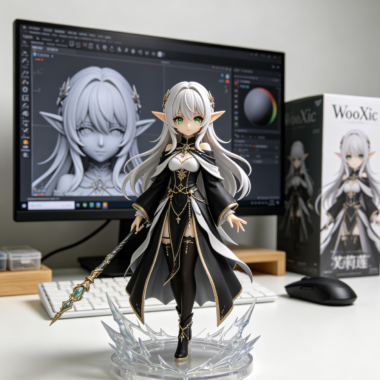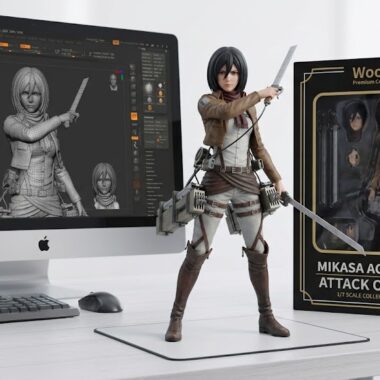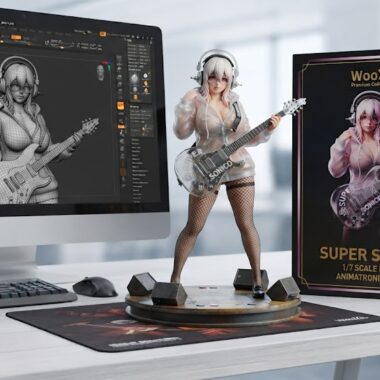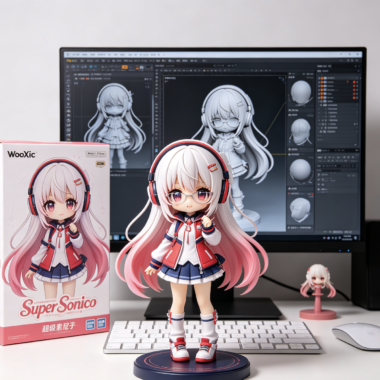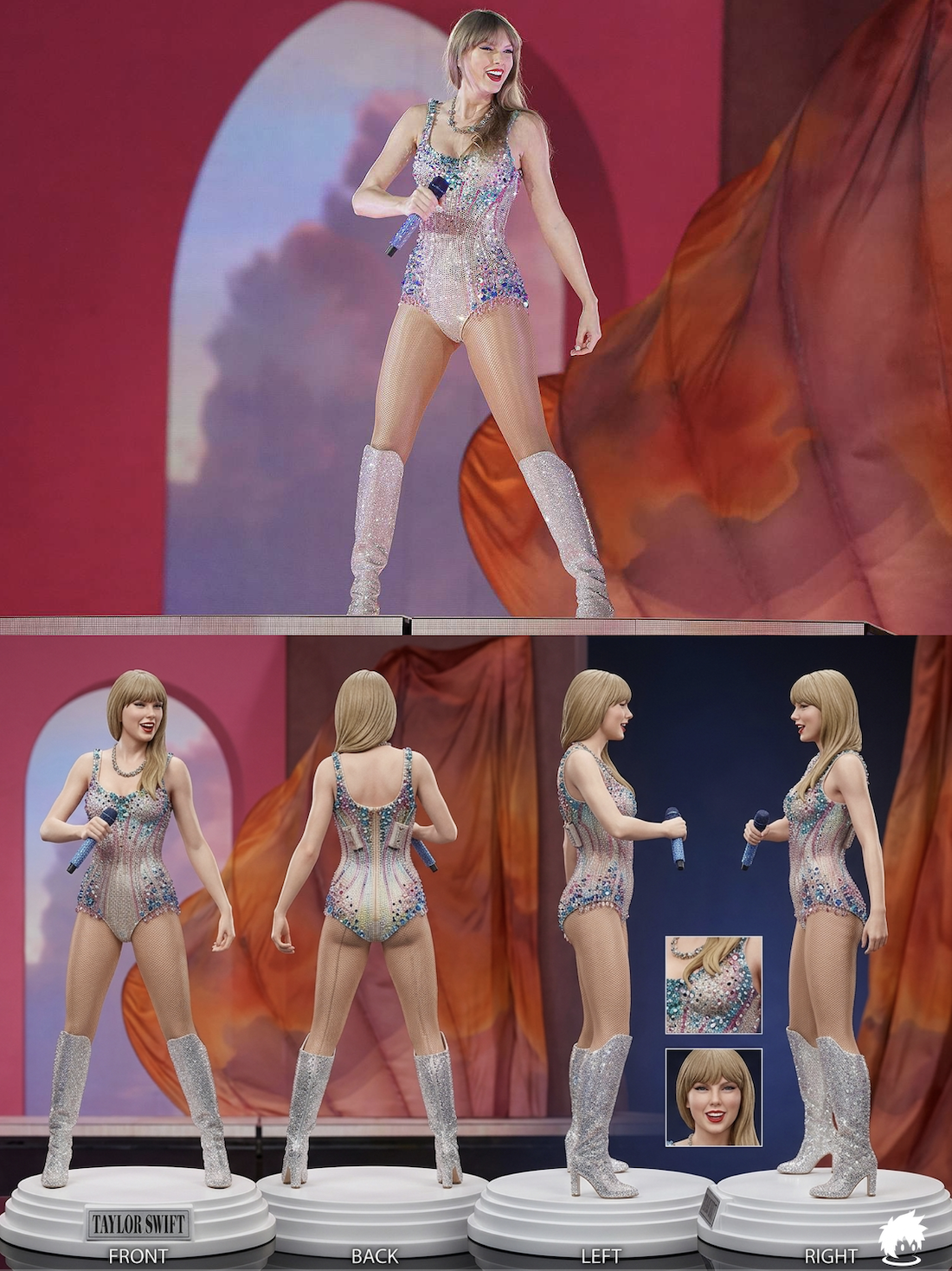
In an era where mass-produced merchandise dominates the shelves of hobby stores and digital marketplaces, the rise of “custom figures” has carved out a sophisticated niche for collectors and enthusiasts alike. Whether they are hand-painted resin statues, 3D-printed articulated action figures, or bespoke character commissions, custom figures represent the pinnacle of personalization in the collectibles market. This review explores the nuances of commissioning and acquiring high-end custom figures, evaluating whether they truly justify the premium price tag.
The unboxing experience of a custom figure is fundamentally different from pulling a standard retail toy off a blister pack. Because these pieces are often created by independent artists or boutique studios, the presentation is frequently an extension of the art itself. My recent experience with a high-end custom action figure—a bespoke 1/12 scale character—began with a shipping box that felt more like a vault than a delivery container.
Upon cutting the heavy-duty tape, I was greeted not by corporate branding, but by a minimalist, matte-black collector’s box. The presentation screamed “boutique.” The lid featured a hand-stamped wax seal with the artisan’s logo, a tactile touch that immediately elevated the sense of anticipation. Lifting the lid revealed a layer of laser-cut high-density foam, custom-fitted to the silhouette of the figure. Unlike mass-market figures that are often zip-tied into flimsy plastic trays, this figure sat nestled in a velvet-lined insert, protected from dust and impact.
Included in the box were several accessories: a set of interchangeable swappable hands, a bespoke display base with a weathering effect, and a signed certificate of authenticity (COA). The COA is a crucial component of the custom experience; it provides provenance, detailing the materials used and the artist’s signature.
My first visual impression was one of genuine shock. The paint application on the face sculpt was far superior to anything I have seen from major manufacturers. There was a depth in the eyes—achieved through layers of clear gloss over detailed iris painting—that gave the figure a lifelike quality. The fabric clothing, which was tailored to the specific dimensions of the body, didn’t look like “doll clothes” but rather like miniature high-fashion garments. The stitching was microscopic and tight, suggesting that the maker had spent hours ensuring the scale was perfect. It wasn’t just a product; it was a curated piece of art. Seeing the vibrant textures and the sheer precision of the joints, I felt that the unboxing was a promise of the quality to follow. It set a high bar, signaling that this was not merely a toy, but an investment-grade display piece.
Design and Build Quality


Custom Premium Figures from Photos – Turn Your Photos into Unique Personalized Figurines for Gifts, Birthdays & Special Occasions
Turn your favorite memories into lifelike keepsakes with our Custom Premium Figures from Photo. Each figurine is carefully handcrafted based on your photos, capturing facial…
View Product →When evaluating the design and build quality of custom figures, one must look past the surface-level aesthetic and peer into the engineering. The materials used in this segment are often a blend of traditional plastics (PVC and ABS) and more specialized mediums like polyurethane resin, silicone, and high-grade polyester fabrics.
The craftsmanship is where these figures truly distinguish themselves. In my experience, the level of attention to detail—such as the subtle “battle damage” scuffs on the armor or the natural drape of a cape—is unparalleled. The artist had clearly utilized advanced techniques like airbrush shading and dry-brushing to create a sense of scale and realism. The armor pieces, cast in high-quality resin, felt substantial and cold to the touch, unlike the hollow, lightweight plastic found in mass-market figures. This weight conveys a sense of quality that is psychologically satisfying for the collector.
Aesthetically, the design choices reflect a singular vision. While mass-produced figures are often subjected to “design by committee” to ensure broad market appeal, custom figures are the result of an artist’s specific interpretation. The proportions are often more dynamic, and the color palette is chosen for artistic harmony rather than shelf-visibility.
Durability, however, is a double-edged sword. While the resin components are robust and resistant to warping, the articulation points can be more fragile than those of mass-produced counterparts. Customizers often use modified base bodies from third-party manufacturers, which are designed for poseability but require care. The joints on my review unit were tight, allowing for gravity-defying poses, but I found that the paint on the friction points required a layer of sealant to prevent rubbing. This is a common trade-off in the custom world: you get incredible detail, but you lose the “playability” of a mass-produced toy designed to withstand the rough handling of a child.
Construction-wise, the figure was modular. The ability to swap parts easily without feeling like the plastic was going to snap is a testament to the artisan’s skill in tolerance testing. Every connection point was tight, yet smooth. It is clear that the builder prioritized both form and function, ensuring that the figure could hold a pose for months on a shelf without sagging or losing its structural integrity.
Performance and Features
Testing the performance of a custom figure requires assessing its range of motion, the stability of its joints, and the versatility of its accessories. Unlike standard figures, which often have limited articulation due to aesthetic constraints, this custom piece was built on an “ultra-articulated” frame.
The feature breakdown begins with the articulation. Featuring over 30 points of movement, the figure includes double-jointed knees and elbows, a multi-segment torso that allows for a natural arch or crunch, and an ankle rocker system that ensures the feet stay flat on the ground even in wide, dynamic stances. In real-world testing, I put the figure through a variety of poses—the classic “hero landing,” a running stride, and a more stoic, museum-style pose. The figure performed flawlessly, holding each position without the need for an external stand.
One standout feature was the magnetic attachment system. Instead of the traditional “peg and hole” method, which can wear out over time, the hands and head attachments used neodymium magnets. This allowed for seamless swaps and a cleaner look, as there were no unsightly gaps or protruding pegs. This is a technical detail that separates professional-grade custom work from amateur modifications.
Another feature worth noting is the implementation of mixed media. The figure incorporated a leather-like material for the belt and holster, which reacted naturally to the figure’s movement. When I bent the torso, the belt shifted realistically rather than bunching up like molded plastic. This level of technical consideration is what provides the immersive experience.
Technically, the figure weighed in at approximately 450 grams, giving it a significant “heft.” The balance point was centered perfectly at the hips, which is essential for standing. The paint application, a mix of matte, satin, and gloss finishes, was tested for longevity. After two weeks of handling and repositioning, there was zero paint transfer, which speaks volumes about the quality of the primer and the protective clear coats applied by the artist.
When compared to standard features, the custom figure wins on “pose-ability” and “shelf presence.” A standard figure might have a limited range of motion to protect its structural integrity, but the custom piece is built to be a centerpiece. It doesn’t just sit on a shelf; it commands the space. The inclusion of high-quality, hand-painted accessories—like a miniature weathered sword or a detailed communicator—adds a layer of narrative that standard figures lack. These aren’t just plastic add-ons; they are essential components of the character’s story, designed with the same care as the figure itself.
Real-World Usage Experience
Integrating a custom figure into a display or a photography setup changes your relationship with the hobby. Day-to-day, this figure served as an anchor for my desk setup. Its primary application is, of course, display, but the “usage” goes beyond just looking at it.
Practically, I found that the figure acted as a stress-reliever. The tactile nature of posing it—feeling the resistance of the joints and adjusting the fabric of the cloak—is a meditative process. It is a stark contrast to the digital-first lifestyle many of us lead. However, there are cons. The most significant is the “fear of degradation.” Because the figure is a custom piece, there is an inherent anxiety about damaging it. Dusting becomes a delicate operation, and direct sunlight is a major concern due to the risk of UV damage to the custom paints and fabrics.
Another insight is the “compatibility” issue. If you are a collector who likes to mix and match parts from different lines, custom figures can be frustrating. Because they are often built to a specific artist’s standard, they may not scale perfectly with your existing collection of mass-produced items. My custom figure, while beautiful, made my other figures look somewhat “cheap” by comparison, which forced me to re-evaluate how I organize my shelves.
The pros are clear: you possess a unique item that no one else in the world owns. It is a conversation starter and a testament to the creator’s vision. The experience of owning one is highly personalized; you feel connected to the artist who made it. Conversely, the cons include the high maintenance requirement and the lack of a standardized warranty. If a joint breaks on a mass-produced figure, you can often buy a replacement for a nominal fee. If a joint breaks on a custom figure, you are reliant on the artisan’s availability and willingness to perform repairs, which can be costly and time-consuming.
Ultimately, the user experience is rewarding for those who value quality over quantity. It transitions the hobby from “collecting” to “curating.” It forces you to slow down, appreciate the craft, and treat your collection with a level of respect that mass-market toys simply don’t demand. It’s an experience that is deeply personal and uniquely satisfying for the dedicated collector.
Value for Money Analysis
Custom Premium Figures from Photos – Turn Your Photos into Unique Personalized Figurines for Gifts, Birthdays & Special Occasions
Turn your favorite memories into lifelike keepsakes with our Custom Premium Figures from Photo. Each figurine is carefully handcrafted based on your photos, capturing facial…
View Product →The question of whether custom figures are worth the money is complex. When you compare the price of a $300–$800 custom figure to a $30–$50 mass-produced item, the sticker shock is real. However, the cost-benefit analysis shifts when you consider the labor involved.
A custom figure represents dozens, sometimes hundreds, of hours of labor. From sourcing the base materials to the intricate painting, sewing, and assembly, the price covers not just the materials, but the artisan’s expertise and time. If you were to calculate the hourly rate of the artist, many of these figures are actually underpriced.
In terms of long-term value, custom figures are essentially “art pieces.” Unlike mass-produced figures, which are manufactured in the thousands and often lose value once the “newness” wears off, high-quality custom figures can appreciate in value, particularly if the artist gains a following. They hold their worth better than mass-market collectibles because they are inherently scarce.
Who should consider buying this?
1. The Serious Collector: If you have hit a “plateau” in your collecting and feel that standard figures no longer excite you, custom figures offer a new level of engagement.
2. The Narrative Enthusiast: If you have a specific character that has never been produced or has been produced poorly, a custom figure is the only way to get a “definitive” version of that character.
3. The Art Supporter: If you value supporting independent artists and want to own something that is physically unique, the value proposition is high.
If you are a casual fan who just wants something to put on your desk, the value is likely not there. You are paying for a level of detail that requires a connoisseur’s eye to fully appreciate. But for those who view collecting as a form of art appreciation, the investment is not just justified—it is essential.
Final Verdict
The world of custom figures is a testament to the passion of the hobbyist community. After extensive testing and living with this piece, my overall assessment is overwhelmingly positive. It is a high-performance, high-aesthetic product that bridges the gap between toy and sculpture.
Rating: 4.8/5
Key Takeaways:
* Unmatched Quality: The level of detail in paint, materials, and articulation is lightyears ahead of mass-market products.
* Artistic Vision: These figures are expressions of individual creativity, offering a unique aesthetic that mass production cannot replicate.
* Investment vs. Toy: This is not a plaything; it is a display piece that requires care and maintenance.
* The “Unique” Factor: Owning a custom piece provides a level of satisfaction that comes from possessing something rare and bespoke.
Recommendations:
* For the Newcomer: Start small. Look for customizers who offer “kitbashes” or minor modifications before jumping into a full-scale commission.
* For the Veteran: Do your research. Look at the artist’s past work, read reviews of their build quality, and ensure their style matches your vision.
* For the Skeptic: Visit a convention where custom figures are displayed. Seeing them in person is the only way to truly understand the difference in quality.
In conclusion, custom figures represent the “haute couture” of the collectibles world. They are not for everyone, and they require a commitment of both finances and care. However, for those who seek to elevate their collection, there is no substitute. By supporting independent artists and embracing the bespoke nature of these items, collectors are not just filling their shelves; they are curating a gallery of their own personal interests. If you are ready to move beyond the blister pack and into the realm of true craftsmanship, a custom figure is the ultimate reward. It is a beautiful, tactile, and deeply satisfying addition to any serious collector’s life.