Custom Anime Statues
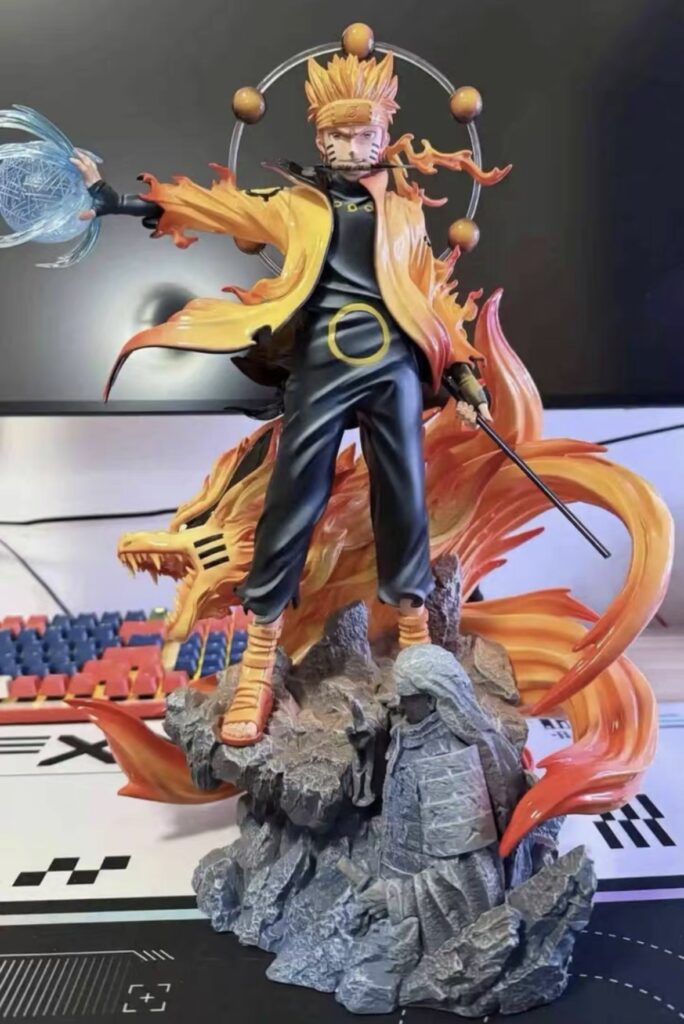
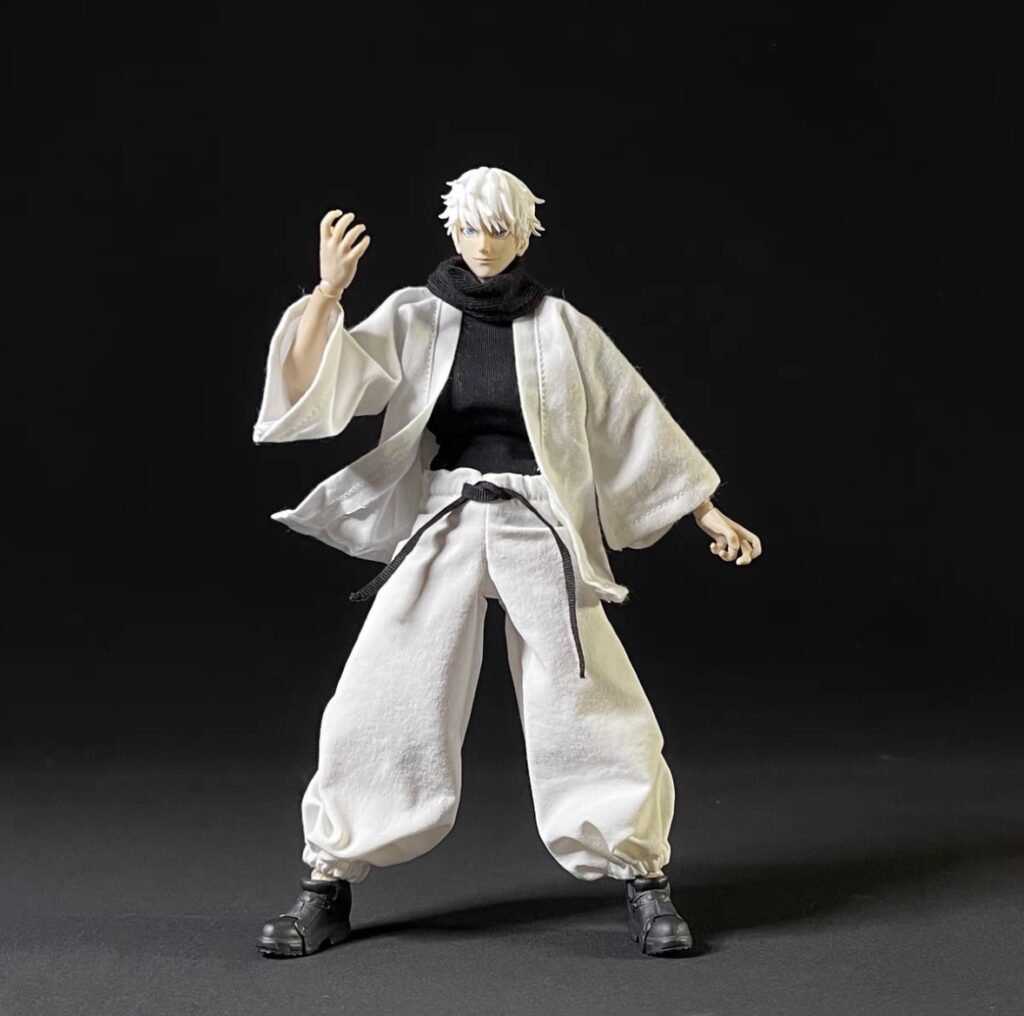
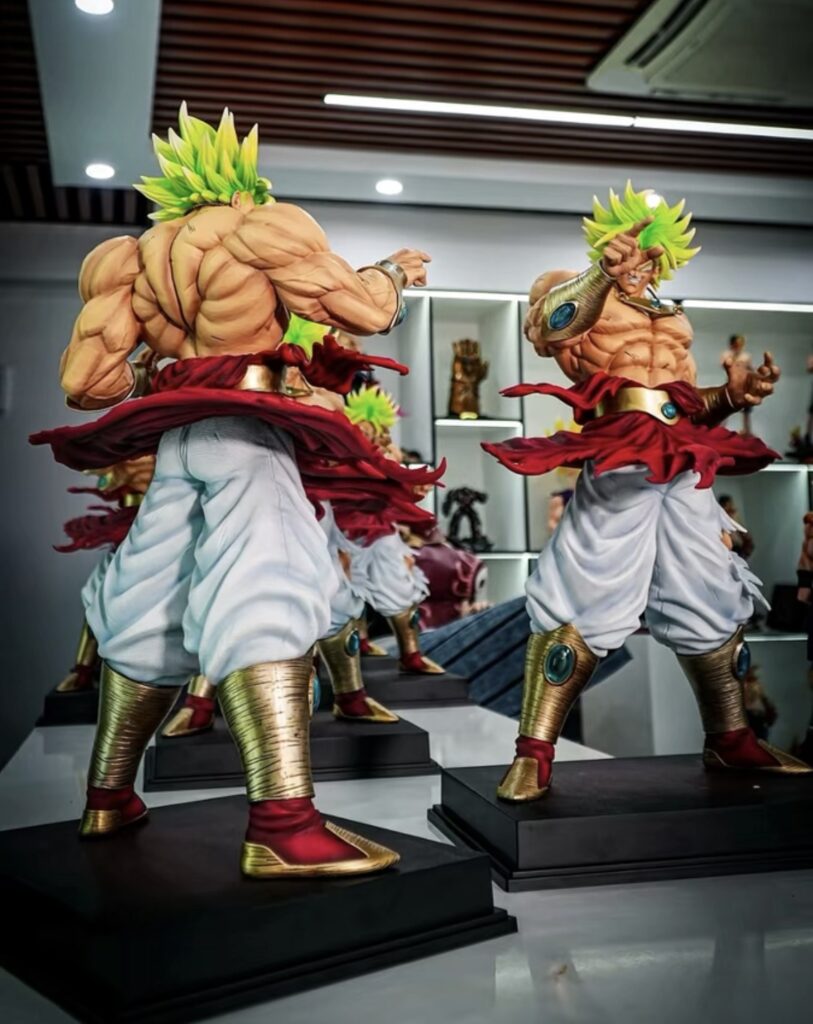
Custom anime statues offer dedicated fans the ultimate way to immortalize their favorite characters in breathtaking detail. These unique sculptures, often crafted from high-quality resin, capture iconic moments and dynamic poses from beloved series like One Piece, Dragon Ball Super, and Chainsaw Man. Unlike mass-produced figures, custom pieces can feature specific outfits such as Nico Robin’s geisha attire or dynamic attack stances like Luffy’s Gear 5 punch. Collectors can find statues depicting characters like Broly in an intense roar, Gojo with removable pants, or Hatsune Miku mid-song. Each custom statue is a testament to artistic skill, bringing anime heroes and villains to life with unparalleled precision and passion.
Showing all 12 results
-
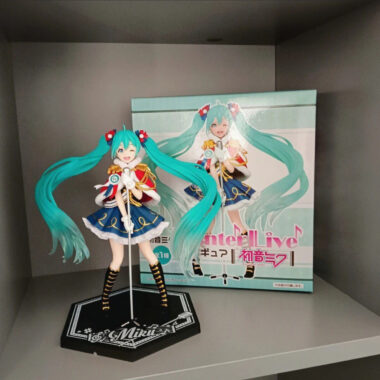
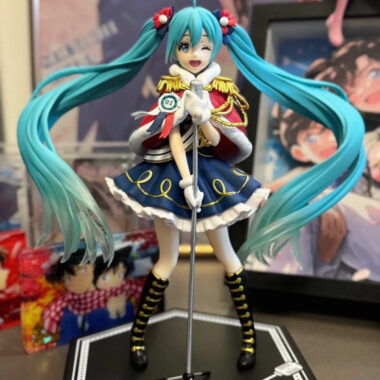
Hatsune Miku Figure Custom Figurine Anime Winking with Microphone Stan
$58.14 Add to cart -
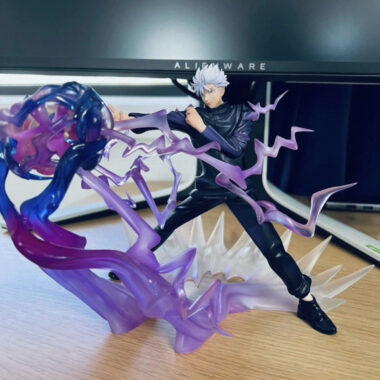
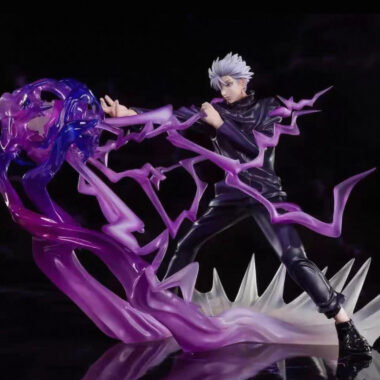
Gojo Figure Custom Collectible Anime Hollow Purple Energy Action Pose
$46.55 Add to cart -
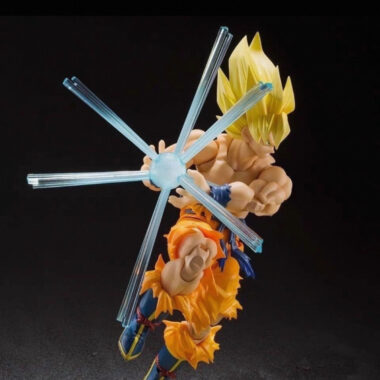
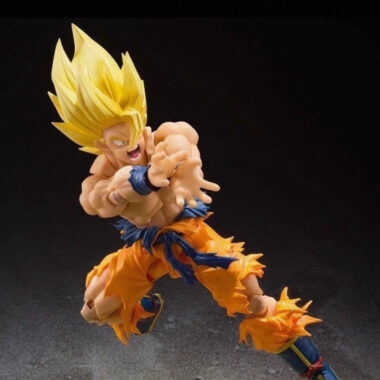
Goku Action Figure Custom Figure Dragon Ball Dynamic Attack Pose
$58.38 Add to cart -
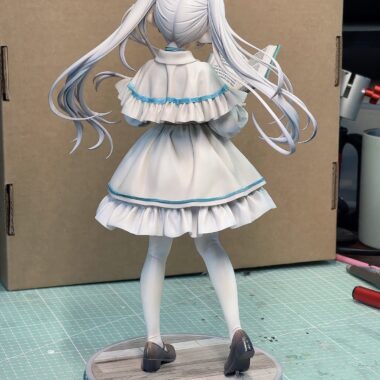
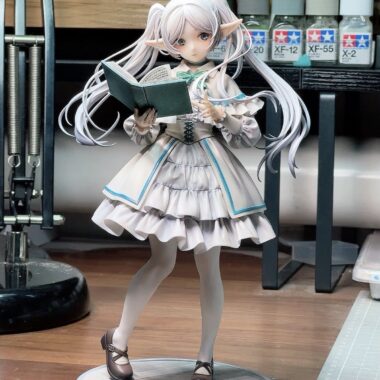
Frieren Figure Custom Collectible Frieren: Beyond Journey’s End Reading
$84.38 Add to cart -
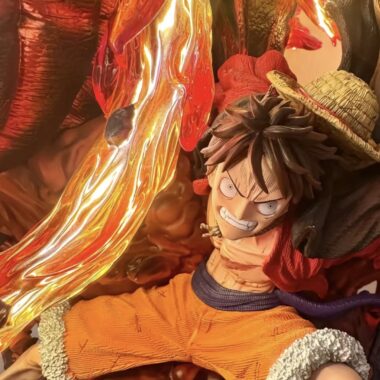
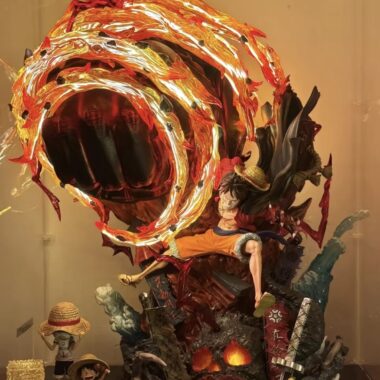
Luffy Figure Custom Figurine One Piece Dynamic Gear 5 Punch
$61.11 Add to cart -
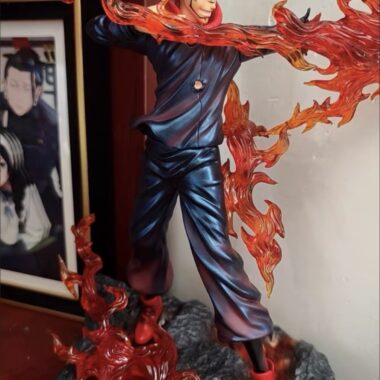
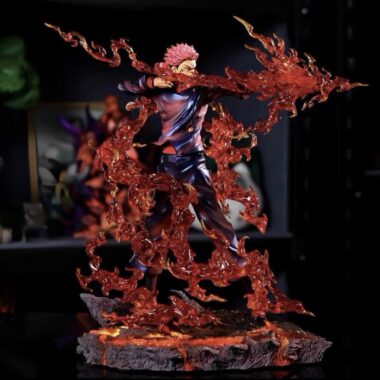
Sukuna Figure Custom Collectible Popular Culture Dynamic Flame Burst
$71.87 Add to cart -
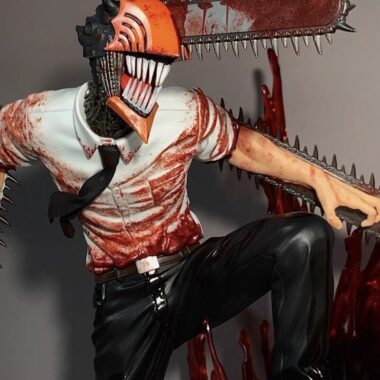
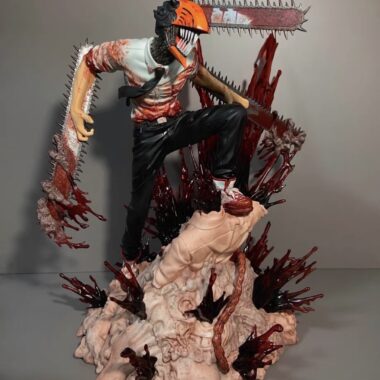
Chainsaw Man Figure Custom Statue Popular Culture Dynamic Attacking
$60.87 Add to cart -
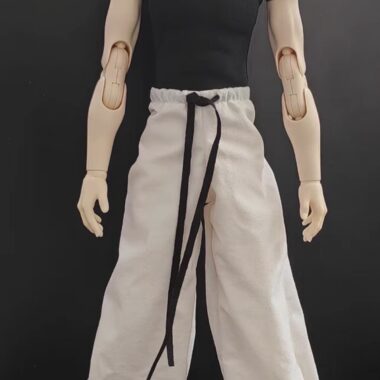
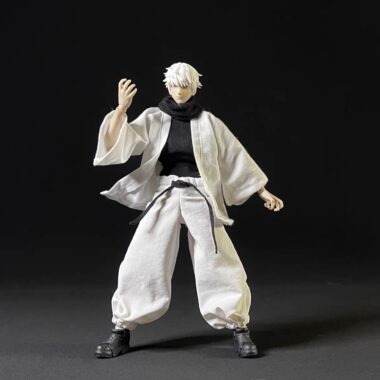
Gojo Removable Pants Figure Custom Collectible Anime Dynamic Pose
$67.97 Add to cart -
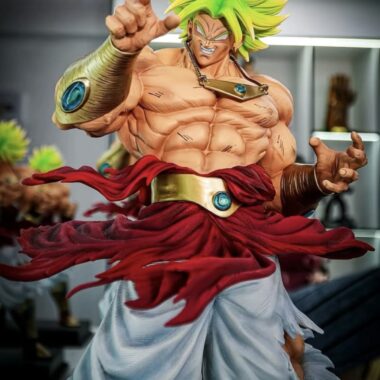
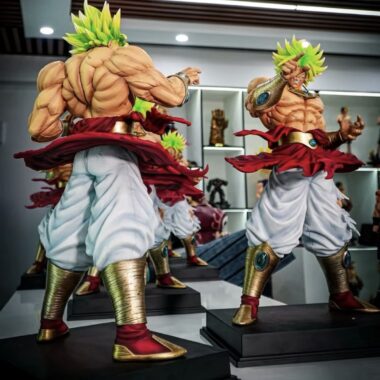
Broly Figure Custom Statue Anime Dragon Ball Super: Broly Intense Roar
$48.46 Add to cart -
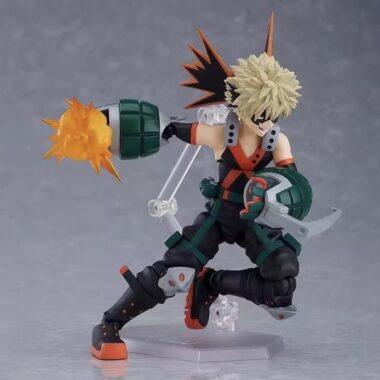
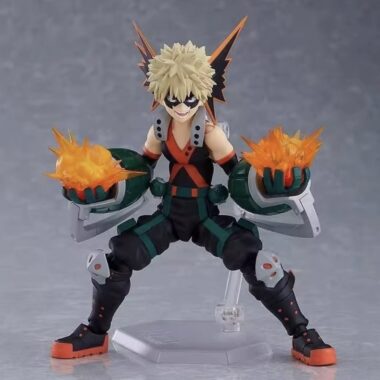
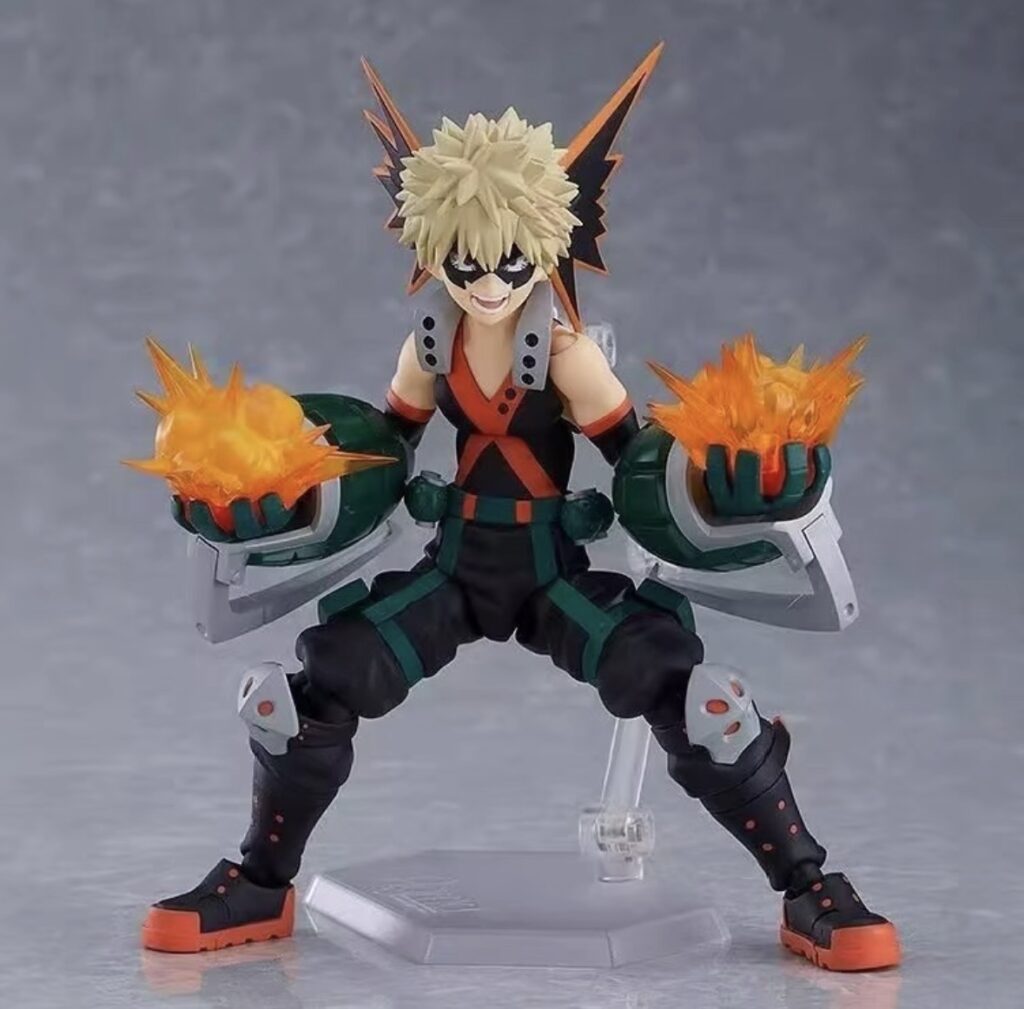
Bakugo Figure Custom Figurine My Hero Academia Dynamic Explosions
$75.97 Add to cart -
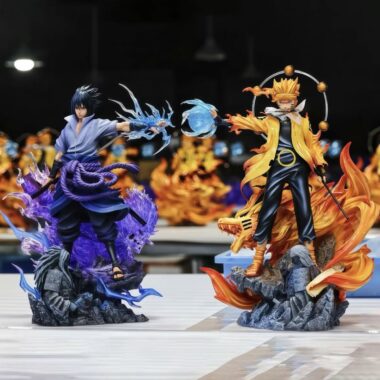
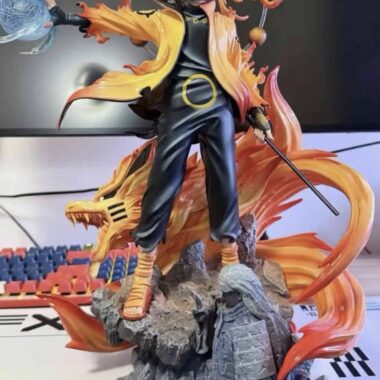
Naruto Figure Custom sculpture Naruto Sage Mode Dynamic Action
$68.04 Add to cart -
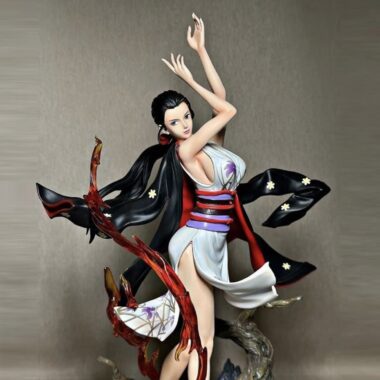
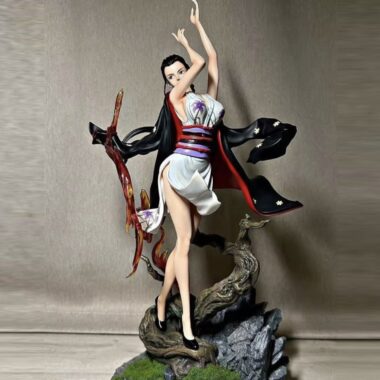
Nico Robin Figure One Piece Wano Country Arc Custom sculpture dynamic dancing pose geisha outfit
$93.03 Add to cart