1. Do the LED modules in polystone light-up statues generate enough heat to damage the paint over time?
Most quality light-up statues use cool-touch LEDs that operate below 40 degrees Celsius, preventing paint yellowing or polystone warping. Cheaper models using incandescent bulbs may reach 60 degrees, risking finish degradation after 500 hours of continuous use. Always check product specs for LED type and ensure ventilation holes exist near the power base to dissipate residual warmth effectively during long display periods.
2. Can I replace the internal USB-powered light strip if it fails on a 1/4 scale Iron Man statue?
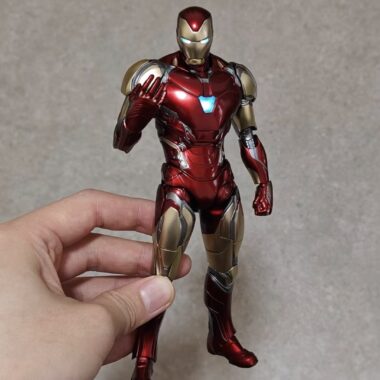
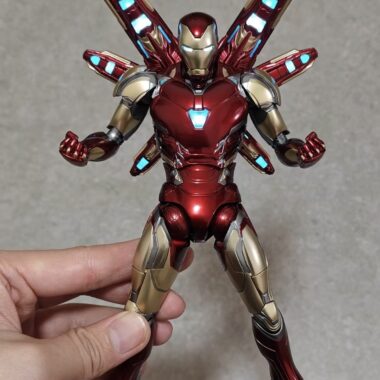
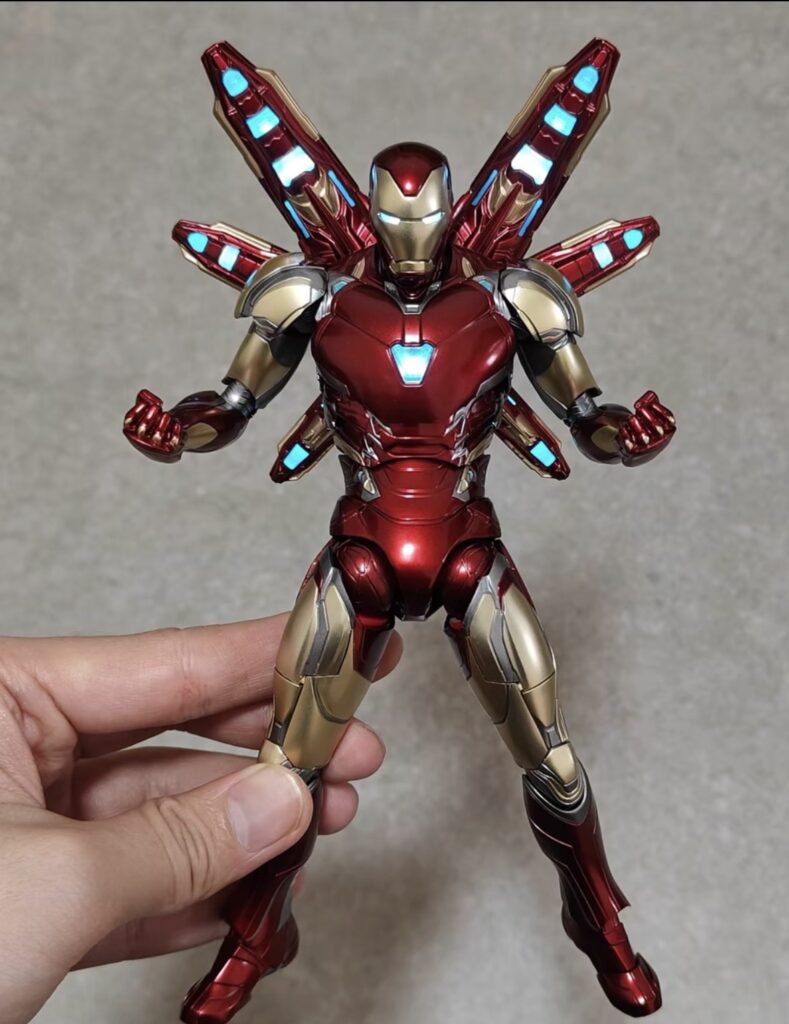
Replacement depends on the manufacturer's design. Many 1/4 scale statues use modular LED strips connected via JST connectors, allowing easy swaps with standard 5V strips. However, custom-molded light guides fused into the chest piece often require professional repair. Contact the vendor first, as opening the base usually voids the warranty on limited edition collectibles featuring proprietary lighting circuits.
3. How does the brightness of battery-operated light-up statues compare to USB-powered versions for dark room displays?
USB-powered light-up statues generally deliver 300 to 500 lumens, providing consistent brightness ideal for dark rooms. Battery-operated units often drop to 150 lumens as alkaline cells deplete, causing dimming within weeks. For optimal glow effects on translucent resin parts, USB power is recommended. Some premium models include dimmer switches to adjust intensity between 20% and 100% output manually.
4. Are light-up statues compatible with glass display cabinets that block UV light without affecting LED visibility?
Yes, standard glass cabinets do not block visible light emitted by LEDs in these statues. UV protection filters specifically target ultraviolet rays to prevent plastic fading but allow the 450nm to 650nm spectrum from red, blue, and white LEDs to pass through clearly. Ensure your cabinet has internal power outlets or drill discreet holes for USB cables to maintain a clean aesthetic without extension cords.
5. What causes the flickering effect seen in some replica arc reactor light-up statues and is it fixable?
Flickering usually stems from loose solder joints on the driver board or insufficient voltage from weak batteries. In replicas mimicking movie instability, this may be an intentional firmware feature controlled by a hidden switch. If unintended, reseating the connector or replacing the AAA batteries with lithium ones often stabilizes the current. Persistent issues indicate a faulty capacitor needing replacement by a technician.