Why This Purchase Decision Is More Complex Than It Appears
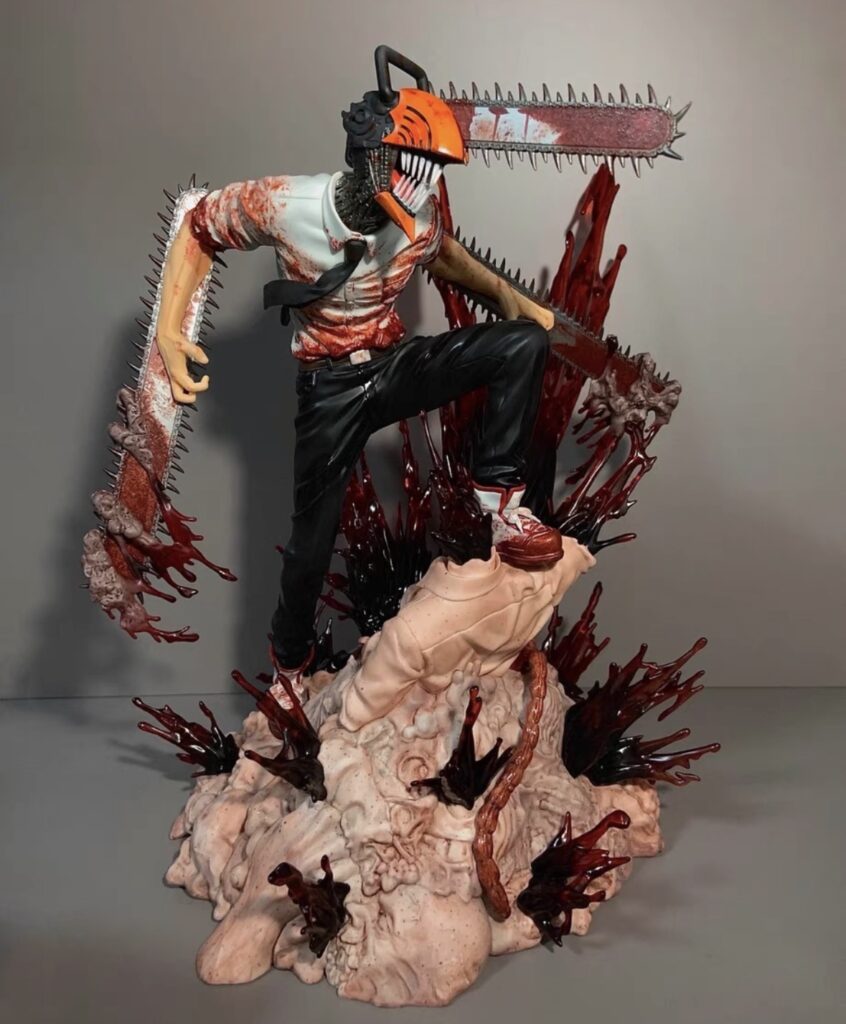

Chainsaw Man Figure Custom Statue Popular Culture Dynamic Attacking
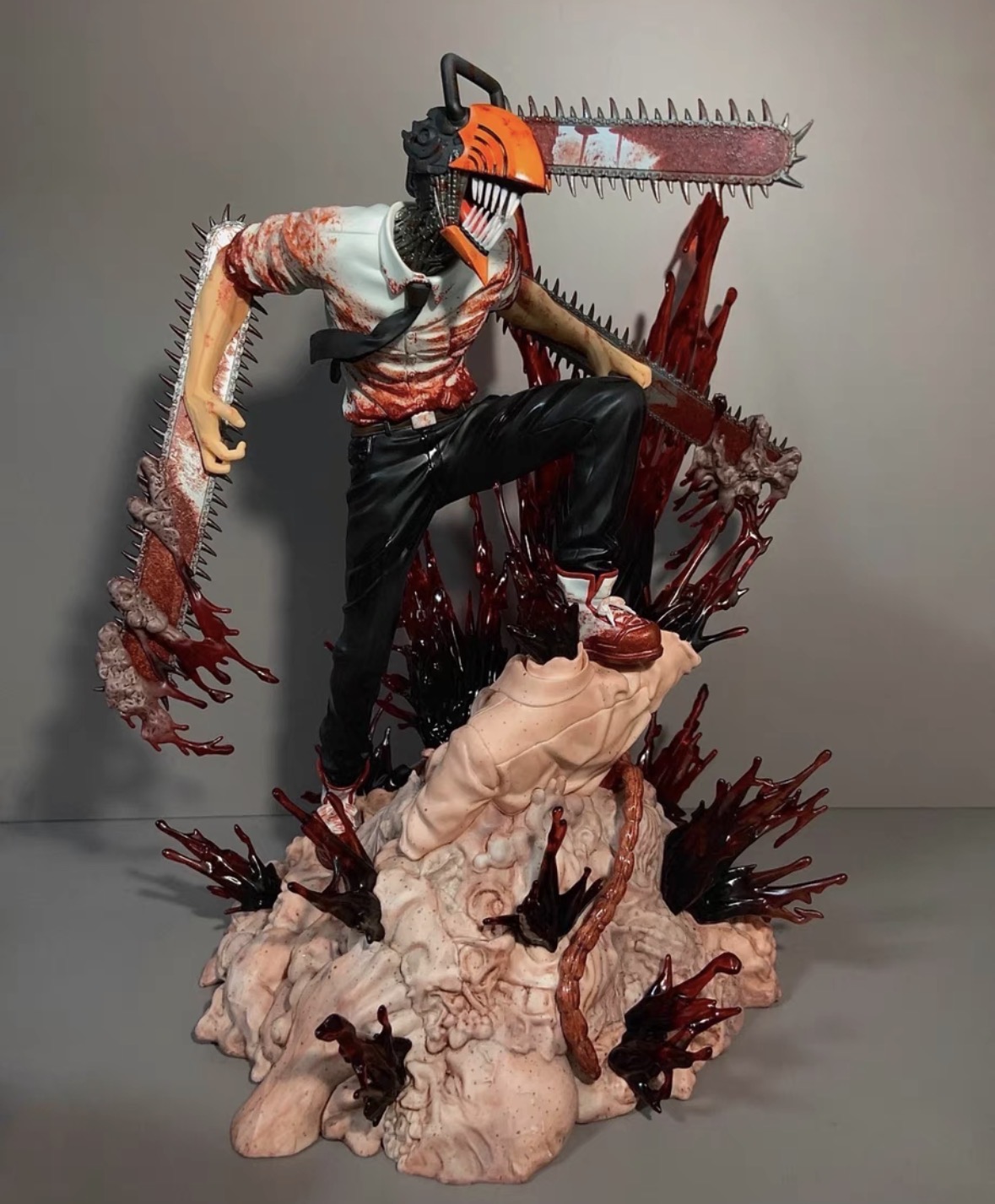
This Chainsaw Man Figure is depicted in a dynamic, aggressive lunge, poised to strike. The character's left arm is a fully formed chainsaw blade, while…
View Product →Purchasing a “Chainsaw Man Figure Custom Statue Popular Culture Dynamic Attacking” might initially seem straightforward, driven by fan enthusiasm for the popular anime and manga. However, beneath the surface of this seemingly simple collectible lies a surprising degree of complexity. The term “custom statue” itself introduces significant variables. Unlike mass-produced figures, custom pieces often involve smaller studios or individual artists, leading to variations in production quality, material consistency, and even artistic interpretation. Furthermore, the descriptor “dynamic attacking pose” hints at intricate sculpting and potentially fragile elements, demanding a closer look at structural integrity and the artist’s skill in translating motion into a static form. Buyers may overlook the importance of the base’s design and stability, the paint application’s durability, and the overall aesthetic fidelity to the source material. Without a standardized manufacturing process, understanding the true value and potential pitfalls requires a more analytical approach than simply being a fan.
The Critical Evaluation Framework
Performance Specifications That Actually Matter
When evaluating a custom statue, the concept of “performance specifications” shifts from technical metrics to tangible artistic and constructional attributes. The foremost consideration is the sculpting fidelity and anatomical accuracy. This involves examining how well the statue captures the likeness of the Chainsaw Man character, paying attention to the proportions, facial features, and the intricate details of his attire and weapon. The “dynamic attacking pose” is a critical performance element; it should convey a sense of imminent action and believable momentum. Look for how the artist has managed to create a visual flow, with the lean, the bent knee, and the extended leg working in concert to suggest forward motion. The stability and structural integrity of the pose are paramount. Does the character appear to be balanced precariously, or is the pose grounded and believable? This is directly related to the engineering of the support system, which includes the connection points to the base and any internal reinforcements. A well-engineered statue will stand firm and resist accidental tipping. Finally, paint application and finish are crucial performance indicators. This encompasses the precision of the detailing, the evenness of the color application, the quality of the shading and highlights, and the overall durability of the paintwork against minor handling or environmental factors.
Build Quality and Material Science Considerations
The underlying materials and construction methods employed in a custom statue are fundamental to its longevity and aesthetic appeal. The primary material is typically resin, chosen for its ability to hold fine detail and its relative ease of casting. However, not all resins are equal. Higher-quality resins, often referred to as polystone or polyresin, tend to be denser, less brittle, and capable of capturing finer textures than cheaper, more porous alternatives. Buyers should inquire about the type of resin used, as well as the thickness and uniformity of the material. Thin, uneven resin can be prone to cracking or breakage, especially in delicate areas like fingers, horns, or weapon components. The assembly and joint integrity are also critical. If the statue is composed of multiple parts, the quality of the joins and the adhesive used will significantly impact its durability. Look for seamless transitions and evidence of secure bonding. Furthermore, the quality of the internal armature or supports, if any, plays a vital role in preventing sagging or deformation over time, particularly for larger or more complex poses. The base construction also falls under this category; a solid, well-constructed base made from a substantial material will provide a stable foundation, preventing the entire piece from toppling.
Ecosystem Compatibility and Long-Term Software Support
This section, while seemingly out of place for a physical statue, can be adapted by considering the “ecosystem” of display and collection. For a custom statue, “ecosystem compatibility” refers to its scalability within a collector’s display. Does the statue’s size and style complement other figures or statues in the collection? A statue that is significantly out of scale or has a vastly different aesthetic might disrupt the overall visual harmony. “Long-term software support,” in this context, translates to longevity and resistance to degradation. This includes the durability of the paintwork against UV exposure (if displayed in direct sunlight), resistance to yellowing or fading, and the absence of any chemical reactions between the materials that could lead to degradation over time. The ease of maintenance and cleaning is also a factor; some finishes might be more prone to attracting dust or require specialized cleaning agents, impacting long-term care. Finally, consider the availability of replacement parts or repair services, although for custom pieces, this is often limited or non-existent, making initial build quality even more crucial.
Dissecting the Budget Tiers
Entry-Level: What You Sacrifice and What You Gain
Entry-level custom statues, typically found at the lower end of the price spectrum, often represent a compromise between artistic ambition and production feasibility. What you sacrifice is primarily in the refinement of detail and material quality. Sculpting may be less intricate, with softer edges and less pronounced textures. Paint application might be more basic, lacking nuanced shading, subtle highlights, or advanced weathering techniques. The resin used could be of lower density, leading to a lighter feel and potentially greater brittleness, making delicate parts more susceptible to damage. Assembly might be less precise, with visible seams or minor imperfections. However, what you gain is accessibility to the character and the dynamic pose at a more affordable price point. For a fan who primarily wants to display a representation of Chainsaw Man in an aggressive stance without a significant financial outlay, these statues can be a viable option. They offer a visual representation of the character’s power and motion, even if the execution is not at the highest tier of craftsmanship.
Mid-Range: The Engineering Sweet Spot Explained
Mid-range custom statues often hit a sweet spot where quality and price are balanced. Here, you can expect a noticeable improvement in sculpting fidelity and detail. The character’s features will be sharper, the textures more defined, and the overall anatomy more accurate to the source material. The “dynamic attacking pose” will likely be rendered with greater conviction, showcasing better understanding of weight distribution and momentum. Paint application in this tier is generally good, with more attention paid to shading, highlights, and potentially some basic weathering effects that add depth and realism. The resin used is typically of higher quality, offering better density and durability, reducing the risk of breakage. Assembly is usually cleaner, with more careful attention paid to hiding seams. The base design will also be more elaborate and stable. The engineering of the support system is usually adequate to ensure stability for the dynamic pose. For collectors who want a high-quality representation that looks impressive on display but are not looking for the absolute pinnacle of artisanal craftsmanship, the mid-range offers excellent value.
Premium: When the Price Premium Is Justified by Data
Premium custom statues represent the zenith of collectible artistry and craftsmanship, and their higher price tag is often justified by a confluence of factors that elevate them beyond mere merchandise. At this tier, sculpting detail is exceptional, often rivaling or exceeding official releases in its precision and fidelity. Every texture, every wrinkle of cloth, every subtle muscle definition is rendered with meticulous care. The “dynamic attacking pose” is not just a representation of motion but a masterclass in capturing kinetic energy; the artist’s understanding of anatomy and physics is evident in the believable lean, the tension in the limbs, and the overall sense of imminent action. Paint application is often at a museum-quality level, featuring multi-layered shading, intricate weathering, realistic skin tones, and sometimes even custom airbrushing techniques that create a truly lifelike appearance. The materials used are of the highest grade, with dense, high-quality resin that is both durable and possesses a satisfying weight. Assembly is virtually seamless, with expert finishing that conceals all join lines. Furthermore, premium statues often include unique features such as interchangeable parts, LED lighting elements, or highly detailed, integrated bases that enhance the narrative of the pose. The rarity and exclusivity of these pieces, often produced in limited runs by renowned artists or studios, also contribute to their value. For the discerning collector who prioritizes unparalleled artistic merit, exceptional detail, and lasting quality, the premium price point is often a justifiable investment.
Common Buyer Mistakes — and How to Avoid Them
Chainsaw Man Figure Custom Statue Popular Culture Dynamic Attacking
This Chainsaw Man Figure is depicted in a dynamic, aggressive lunge, poised to strike. The character's left arm is a fully formed chainsaw blade, while…
View Product →Specification Traps That Look Good on Paper
One common pitfall is being swayed by marketing terms that sound impressive but lack concrete meaning for a physical product. Phrases like “ultra-detailed” or “lifelike” are subjective and can be applied liberally. A buyer might be attracted to a statue described as “life-size” without considering the practicalities of display space or the actual scale relative to other collectibles. Similarly, claims of “limited edition” can be misleading if the edition size is still quite large, or if the “limited” aspect primarily refers to a specific color variant rather than a fundamental design difference. Another trap is focusing solely on the character being depicted without scrutinizing the execution of the pose itself. A statue might be advertised as being in an “attacking pose,” but upon closer inspection, the pose could be awkward, unbalanced, or lack the intended dynamism. Always look for high-resolution images from multiple angles and, if possible, video reviews that showcase the statue’s stability and the quality of its construction.
Marketing Language vs Measurable Performance Differences
The allure of popular culture properties can lead buyers to overlook tangible differences in quality. Marketing language often emphasizes the character’s iconic status rather than the statue’s intrinsic value as a piece of art and craftsmanship. For example, a seller might highlight the “iconic Chainsaw Man design” without detailing the precision of the paintwork or the robustness of the resin. Distinguishing between subjective appeal and objective quality requires looking beyond the character’s popularity. Measurable differences lie in the sharpness of the sculpt, the smoothness and evenness of the paint application, the absence of visible mold lines or casting defects, and the stability and balance of the overall structure. A statue might be officially licensed, which can imply a certain level of quality control, but this doesn’t guarantee artistic excellence. Conversely, a non-licensed custom piece can, in some instances, be of superior artistic merit. It is crucial to evaluate the craftsmanship independently of the character’s fame, focusing on the physical attributes of the statue itself.
The Decision Framework: Matching Product to Buyer Profile
Questions to Clarify Before Committing
Before finalizing a purchase of a “Chainsaw Man Figure Custom Statue Popular Culture Dynamic Attacking,” a buyer should engage in a rigorous self-assessment and product interrogation. Firstly, what is your primary motivation for this purchase? Is it to own a piece of Chainsaw Man memorabilia, to appreciate the artistry of a dynamic sculpture, or a combination of both? This will inform how much emphasis you place on fidelity to the source material versus artistic interpretation and craftsmanship. Secondly, what is your budget and what level of quality are you realistically expecting within that budget? Understanding the tiers discussed earlier will help set expectations. Thirdly, how much display space do you have available, and what are the environmental conditions of that space? Consider the statue’s dimensions, its weight, and whether it will be exposed to direct sunlight or potential physical disturbances. Fourthly, what is your tolerance for imperfections? Custom pieces, by their nature, can have minor variations. Are you looking for absolute perfection, or are you willing to accept minor flaws if the overall piece is compelling? Finally, what is your understanding of the seller’s reputation and return policy? For custom items, this can be as important as the product itself.
Red Flags to Watch for in Product Listings
Certain elements in a product listing should immediately raise a buyer’s caution. Vague or generic descriptions are a significant red flag; if the listing lacks specific details about materials, dimensions, or the artist/studio, it suggests a lack of transparency. Poor quality or limited product photos are another warning sign. If the images are blurry, taken from only one or two angles, or heavily edited to hide imperfections, it’s a strong indicator that the seller is trying to obscure potential flaws. Unrealistically low prices for what is described as a high-quality custom statue can also be a trap, often indicating inferior materials or craftsmanship. Be wary of listings that lack information about the artist or the production process; reputable custom creators are usually proud to share their work and methods. Absence of clear shipping and return policies, or overly restrictive terms, should also be a point of concern, especially for fragile, high-value items. Finally, overly aggressive or hyperbolic marketing language that focuses solely on emotional appeal rather than tangible product attributes can be an attempt to distract from potential quality issues.
Final Checklist Before Purchase
Before clicking “buy,” run through this final checklist to ensure a well-informed decision. Have you thoroughly examined all available high-resolution images and videos? Look for clarity in sculpt, paint application, and overall finish from every angle. Do the materials used align with your expectations for durability and quality? If not explicitly stated, consider inquiring. Does the statue’s size and weight fit your intended display location and your ability to handle it safely? Is the “dynamic attacking pose” convincingly rendered and structurally sound? Assess the balance and the integrity of the pose. Is the seller reputable, with a clear and fair return policy in place? Research reviews or feedback if possible. Have you compared this offering with similar statues from other artists or studios to gauge its relative value and quality? This comparative analysis is crucial. Does the price reflect the quality and craftsmanship you are observing, or does it seem disproportionately high or low? Finally, are you purchasing this based on genuine appreciation for the piece itself, rather than solely on the popularity of the character? A rational approach, informed by this guide, will significantly increase the likelihood of a satisfying acquisition.